Welcome to Metamora Equine!

Dr. Thaler, VMD DACVSMR, has spent more than four decades building one of the most respected equine sports medicine practices in the Midwest. Now, Metamora Equine is available as a veterinary practice for sale for a qualified buyer ready to step into established practice ownership with a long-term client base, advanced diagnostics, and a reputation that took a career to earn. This is a highly profitable, flexible, low-overhead equine sports medicine platform that delivers strong cash flow and compelling owner-operator SDE, without the overhead burden of traditional veterinary practices. With advanced diagnostics and a clear path to revenue growth from day one, this opportunity is for the practitioner who has been searching for the right path to buying a veterinary clinic that offers real clinical depth, strategic market positioning, and the lifestyle to match.
Learn About Metamora Equine’s Practice

Metamora Equine has served the equine community for more than six decades, growing from a rural country practice into a respected equine sports medicine platform. The story behind this veterinary practice and the philosophy that shapes it are central to understanding what a buyer is truly acquiring.

Our Story

Metamora Equine was founded in the 1960s as a general large animal country practice under Dr. Jersey Loweth, then transitioned to equine-exclusive care under Dr. David Zimmerman DVM in the late 1970s. In 1999, Thaler VMD acquired the practice and shifted its focus toward advanced diagnostics and imaging delivered directly at the farm. Dr. Thaler holds board certification through the American College of Veterinary Sports Medicine and Rehabilitation, fellowship through the College of Animal Chiropractors, and ISELP membership. Over the following decades, the practice expanded its geographic reach to include Ohio, North Carolina, and South Carolina, building client relationships across the Midwest and Southeast equestrian community.

The Lifestyle and Opportunity MEPC Provides

MEPC operates with a minimal employee structure and no physical facility, which keeps fixed overhead low and cash flow strong. Unlike a traditional veterinary clinic, veterinary hospital, or animal hospital that carries real estate costs, exam rooms, and building expenses, MEPC’s ambulatory model eliminates those obligations entirely. The owner controls their schedule and geographic footprint, with the ability to expand, contract, or relocate services as needed, supported by consistent gross revenue and a defined benefits retirement plan. There are no unscheduled calls, no facility maintenance obligations, and no large payroll to manage.

Is This Practice Right for You? MEPC’s Buyer Fit

The right buyer is an experienced equine veterinarian who is ready to move from employment into ownership. They bring strong clinical skills, a commitment to client service, and are looking for a practice with existing client relationships and a reputation already established rather than building from zero. Buyers interested in buying a veterinary clinic of this caliber will find the financial health of this practice well-documented and the transition process clearly defined. Dr. Thaler expects the handover to take approximately two months, with three additional months of phone support, and the practice structure can accommodate a range of clinical interests beyond sports medicine.

Metamora Equine’s Biggest Strengths

The MEPC model was built to give practice owners a structural advantage in every area that matters: geography, adaptability, profitability, and practice growth. The strengths below reflect a veterinary practice designed with intention, not assembled by default.

Physical Location Is Not Limiting the Service Area

MEPC currently operates across four states with no fixed clinic, no real estate commitments, and no permanent treatment areas. The owner works from home and travels to client barns, training facilities, and competition venues. The service area can be expanded or adjusted based on the new owner’s preferences without lease commitments or facility changes.

Practice Can Adapt to Veterinarian's Interests

The current practice focuses on sports medicine and lameness, but the structure supports expansion into reproduction, internal medicine, ophthalmology, emergency, or other areas depending on the buyer’s training and interests. No facility modifications or significant capital investment are required to add services, and the clinical workflow adapts without operational disruption. The existing client base provides an immediate caseload from which practice growth can follow naturally.

Practice Can Support Advanced Equipment Purchases

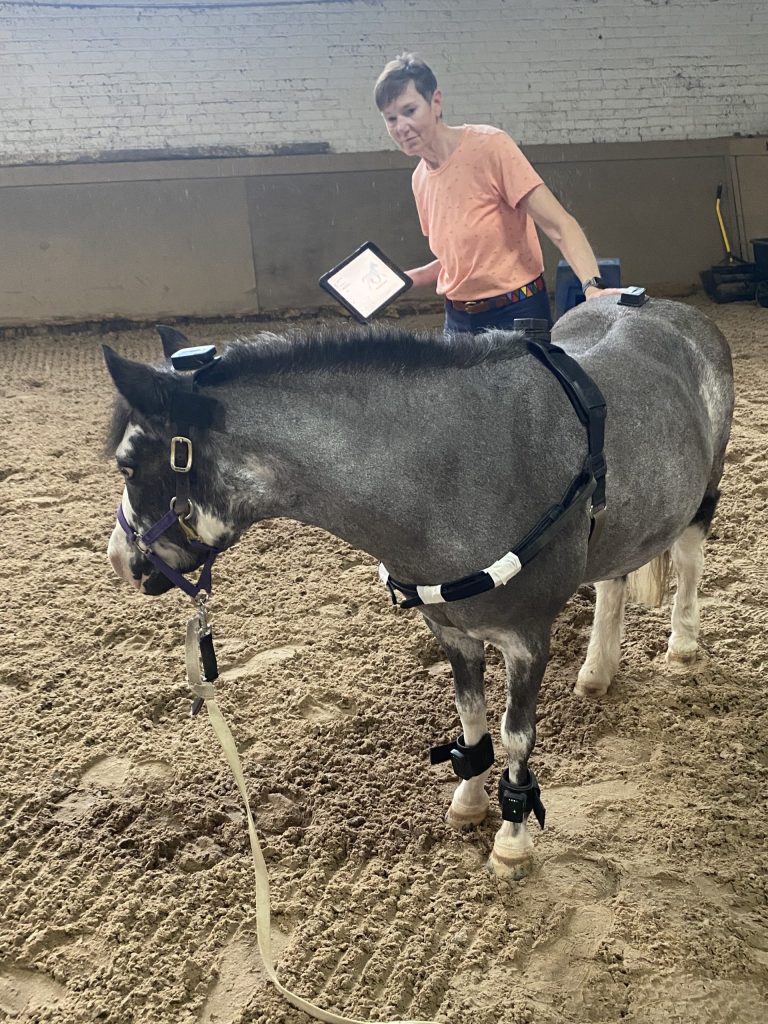
The low overhead model frees up capital for equipment investment and protects cash flow. MEPC currently operates with advanced diagnostic imaging, including digital X-ray, and the Arioneo Vet Equisym objective gait analysis system. The financial structure supports continued equipment acquisition without requiring outside financing or sacrificing owner income.

Practice Can Support Advanced Training

The practice’s profitability creates budget for continuing education, certifications, and specialized training that most employed veterinarians and associate-level practice owners rarely have access to. Dr. Thaler has used this capacity to achieve board certification through ACVSMR, fellowship through the College of Animal Chiropractors, and ISELP certification. A new owner can pursue additional credentials or subspecialty training using the same financial foundation.

Practice Can Quickly Adapt to Change

With no facility lease, no large fixed staff, and no single-market dependency, the practice can respond quickly to economic shifts, technology changes, or personal health circumstances. Most veterinary practices are constrained by fixed costs that threaten financial health during downturns; MEPC’s model removes those constraints and gives the owner full control over the operational footprint.

Practice Can Be Sized Per Desire

The current model operates with one veterinarian and minimal support staff. A new owner can maintain that structure or add associate veterinarians and staff to support practice growth as demand increases. The practice’s annual gross and financial profile support either approach without requiring outside investment to scale.

Practice Can Support the Passion Drives of a Veterinarian

The owner operates independently, sets their own clinical priorities, and delivers a client-centered approach to care without production quotas or administrative oversight. The practice’s profitability supports both financial goals and a high standard of client service. There is no partnership structure or corporate ownership to navigate.

No Facility Expenses or Maintenance

There is no veterinary clinic, animal hospital, or office space associated with this practice. The owner works from home and operates out of a vehicle-based setup, with no exam rooms, real estate obligations, or building infrastructure to maintain. This eliminates lease payments, utilities, building insurance, and maintenance costs that would otherwise represent a significant fixed expense.

Able to Claim Home Office Benefits for Tax Reduction

Because the practice has no commercial facility or real estate, the owner can claim a qualifying home office deduction under current IRS guidelines. This reduces taxable income on an ongoing basis and is an advantage not available to most facility-based veterinary practices. A tax professional familiar with small business medical practices can help a buyer quantify the annual benefit.

Flexibility Makes Practice Enjoyable and Sustainable

The owner controls their schedule, caseload, and working geography. There are no on-call obligations, no unscheduled emergency calls, and no mandatory hours tied to facility operations. For practice owners looking for long-term sustainability, this structure has supported a high-performing career for Dr. Thaler over four decades and is designed to do the same for the next owner.

Speak With A Professional!

What To Expect During Transition

The transition process is designed to be efficient, supportive, and built on trust. Each step below is structured to ensure incoming practice owners are set up for confident, independent operation from day one.

Initial Consultation

The initial consultation is a direct conversation between Dr. Thaler and the prospective buyer to assess fit and share information about the practice. Financial performance, including gross revenue and overall financial health, client demographics, service mix, and geographic scope are all discussed at this stage. Both parties should leave with a clear picture of whether buying a veterinary clinic of this profile is the right match.

Review of Practice Financials and Assets

The buyer receives a full review of financial records, equipment inventory, client base data, and operational documentation. This includes annual gross revenue, cash flow statements, margins, and a full breakdown of the cost structure. Equipment, including digital X-ray systems, diagnostic imaging, and gait analysis technology, is inventoried and valued. Buyers should involve their own financial and legal advisors during this stage.

Transition Planning and Timeline

A formal transition plan is developed once both parties are aligned. The plan covers the two-month in-field period, specific milestones for building client relationships with the new owner, and a timeline for transferring back-end operational responsibilities including inventory management, accounting, and tax filing processes.

Formal Transfer and Client Introduction

Dr. Thaler introduces the incoming veterinarian to clients directly, in the field, during active case work. He provides a personal endorsement of the buyer to his client base, reinforcing the client-centered approach and continuity of client service the practice is known for. This approach transfers client relationships through direct professional affirmation rather than through a written announcement.

Ongoing Support

Following the formal transfer, Dr. Thaler is available by phone for three months. Support during this period covers client relations questions, imaging interpretation, clinical workflow, and case management guidance. This phase is intended to address real-world questions that support practice growth as they arise, rather than serve as a continued mentorship arrangement.

Speak With A Professional!

Metamora Equine

Inquire About This Veterinary Practice for Sale

A veterinary practice for sale with this level of specialization, client loyalty, and market positioning do not come available often. Metamora Equine offers practice owners the opportunity to step into an established large animal sports medicine business with strong gross revenue, reliable cash flow, and a reputation built over decades. Reach out directly at 248.310.5568 to begin a confidential conversation with Dr. Thaler, VMD DACVSMR, and follow Metamora Equine on social media for updates. If you are serious about buying a veterinary clinic that performs at this level, this is the place to start.

Request Appointment

FAQ’s About Metamora Equine’s Vet Practice For Sale

The following questions address the most common considerations for veterinarians and buyers evaluating this equine practice for sale.

What makes this practice different from other equine veterinary practices for sale?

MEPC is a 100% ambulatory practice with no facility overhead, no real estate obligations, and no unscheduled calls, which produces a cost structure and cash flow profile uncommon in equine practice sales. The client base is composed of competition horse owners and professional trainers who expect and support advanced diagnostics, resulting in higher per-case revenue than a general large animal practice. The practice also carries a four-state referral reputation for complex lameness workups, built over four decades, that transfers with the acquisition.

Is the practice's client base likely to stay through a transition?

Dr. Thaler introduces the incoming veterinarian to clients directly in the field during active case work, providing a personal endorsement as part of the formal transfer process. This approach is designed to transfer client relationships through direct professional affirmation rather than a written announcement, which supports continuity of client service from day one. The practice has maintained long-term client relationships with trainers, owners, and supporting professionals across four states, and that network transfers with the business.

What licenses will I need to continue operating across the current service territory?

The practice currently operates in Michigan, Ohio, North Carolina, and South Carolina, so the incoming owner will need an active veterinary license in each state where they intend to practice. Licensing requirements vary by state, and prospective buyers should confirm reciprocity agreements and application timelines with each state’s veterinary licensing board prior to finalizing the acquisition. This is a standard consideration when buying a veterinary clinic with a multi-state service area and should be factored into the transition planning timeline.

What diagnostic equipment is included with the practice?

The practice operates with advanced diagnostic imaging, including digital X-ray, and the Arioneo Vet Equisym objective gait analysis system. All equipment is inventoried and valued as part of the review of practice financials and assets during the acquisition process. The low overhead model has supported continued equipment investment throughout the practice’s history, and the incoming owner inherits a fully operational diagnostic platform without additional capital outlay.

Does the practice include second-opinion and pre-purchase consultation work?

Yes, second-opinion imaging reviews and pre-purchase consultations are an active part of MEPC’s current service mix. These services are supported by the practice’s diagnostic imaging capabilities and Dr. Thaler’s reputation as a referral resource for complex cases across the four-state service area. This work transfers with the practice and represents an established revenue stream that a new owner can continue from day one.