
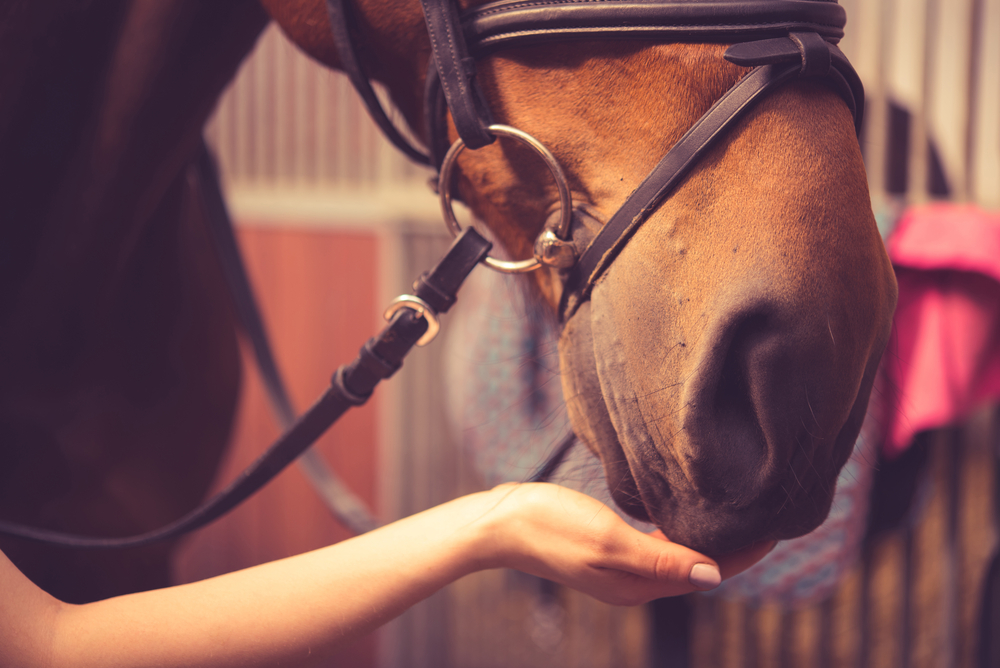
Gastroscopy & Endoscopy
A horse that’s uncomfortable rarely performs the way you know it can, and the cause isn’t always obvious from the outside. Roland Thaler, VMD DACVSMR, has built his career around finding those answers with precision and purpose. At Metamora Equine, gastroscopy and endoscopy are positioned as core components of performance medicine, giving you and your care team direct visual access to what’s happening internally. No assumptions, no guesswork. Just clear diagnostic data that drives better decisions for your horse’s health and competitive future.
The Internal Conditions That Affect How Your Horse Performs
Two internal systems, the stomach and the upper airway, have a direct and measurable impact on how your horse moves, recovers, and competes. When either is compromised, the effects aren’t always obvious right away. Gastric disease can develop gradually, quietly altering how a horse tolerates work, accepts the girth, or responds to rider aids. Airway restrictions can limit oxygen intake in ways that don’t surface until a horse is pushed to higher intensities.
These conditions are also easy to misread, dismissed as training issues, attitude problems, or general fatigue when something internal is actually the cause. Both share a critical trait: they are consistently underdiagnosed until direct visualization gives you a clear, accurate look at what’s happening beneath the surface.
The Procedures We Use to Assess Your Horse’s Internal Health
Each procedure is carefully integrated into the broader scope of performance medicine, meaning findings don’t stand alone. They inform the full care plan. Here’s what each service includes.
Gastroscopy
Gastroscopy provides direct visualization of your horse’s stomach lining to identify and assess gastric disease. Conditions like gastric ulcers are more common in performance horses than many owners realize, and they often surface as subtle behavioral or performance changes rather than obvious discomfort. Identifying gastric issues early allows for targeted dietary adjustments and management strategies that protect your horse’s wellbeing and competitive edge.
Endoscopy
Endoscopy focuses on evaluating the upper airway and nasal passages to detect limitations that can reduce your horse’s breathing efficiency. Structural issues, inflammation, or abnormalities in the airway may go unnoticed until they start affecting stamina and performance output. Visualizing these areas directly allows Dr. Thaler to identify problems that other diagnostics might miss and recommend appropriate interventions.
How We Conduct Your Horse’s Gastroscopy & Endoscopy
Why Choose Us
With over 40 years of experience in equine sports medicine, Dr. Thaler brings a depth of clinical expertise that few practitioners can match. He holds board certification as a Diplomate of the American College of Veterinary Sports Medicine and Rehabilitation, is a Fellow with the College of Animal Chiropractors, and maintains membership with the International Society of Equine Locomotor Pathologists. His approach to gastroscopy and endoscopy reflects this broad, integrative foundation. These aren’t isolated procedures. They’re part of a larger diagnostic picture that informs every aspect of your horse’s care.
Metamora Equine travels regularly to top show barns and equestrian facilities across Michigan, Ohio, and the Carolinas, bringing these diagnostic capabilities directly to where your horse lives and trains. That accessibility matters. When your horse is showing signs that something isn’t right, you need answers without unnecessary delays or logistics. The practice’s emphasis on evidence-based, proactive care means evaluations are never reactive. They’re part of an ongoing commitment to your horse’s long-term health and performance potential.

The Signs Your Horse Is Showing Deserve a Closer Look
Unexplained performance changes, training resistance, and behavioral shifts often have a clinical explanation, and finding it starts with the right diagnostic tools. Dr. Roland Thaler, VMD DACVSMR is committed to helping you uncover what’s behind the signs you’re seeing and build a care plan that makes a measurable difference. Follow Metamora Equine on Facebook for updates, educational content, and the latest in equine sports medicine. When you’re ready to take the next step, contact us at 248.310.5568 to schedule a consultation.
FAQs
How long does a horse starve before gastroscopy?
Horses are typically fasted for 12 to 18 hours before a gastroscopy procedure to ensure the stomach is adequately emptied for clear visualization. Water is generally withheld for a shorter period, often the last few hours before the procedure. Your veterinarian will provide specific fasting instructions based on your horse’s individual circumstances and health status.
How much is a gastroscopy for horses?
The cost of gastroscopy for horses varies depending on geographic location, the complexity of the case, and whether additional diagnostics are performed at the same visit. As a specialized equine sports medicine procedure requiring advanced equipment and expertise, it represents a meaningful investment in your horse’s diagnostic care. Contact Metamora Equine directly for a consultation and to discuss what’s included in the evaluation process.
What is an endoscopy for a horse?
An endoscopy for a horse is a minimally invasive diagnostic procedure that uses a flexible fiber-optic camera to visually examine internal structures, most commonly the upper airway and nasal passages. It allows veterinarians to identify abnormalities, obstructions, or inflammation that could be limiting your horse’s breathing and overall performance. The procedure is performed while the horse is standing and is generally well tolerated, making it a practical and valuable diagnostic tool in equine medicine.