
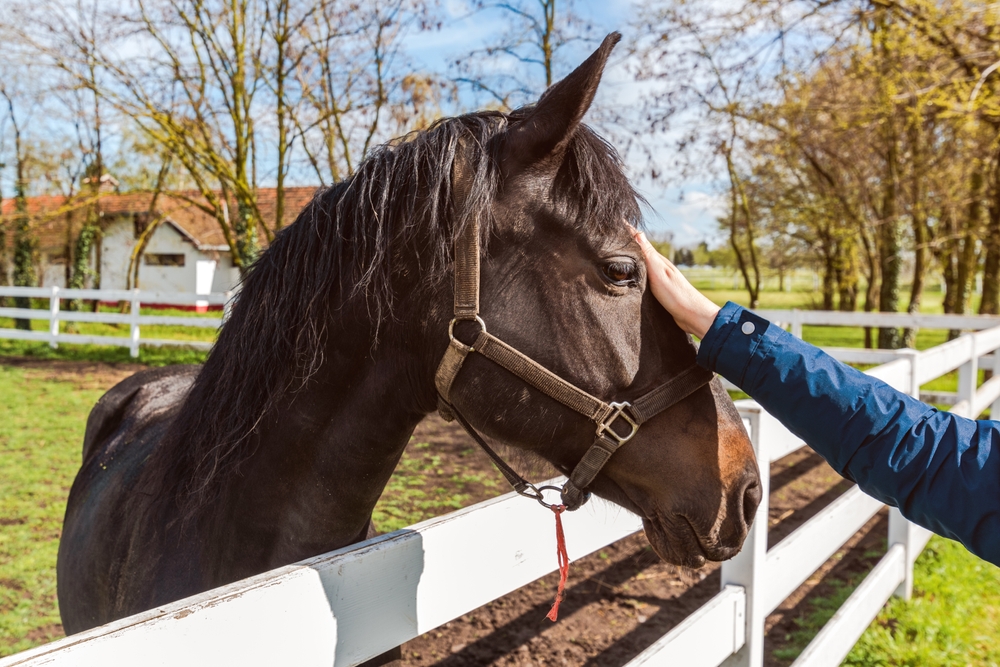
Gait Analysis (Arioneo Vet Equisym System)
When something is off in your horse’s movement, guesswork isn’t good enough. Dr. Roland Thaler, VMD DACVSMR, brings one of the most advanced diagnostic tools in equine sports medicine to every evaluation at Metamora Equine: the gait analysis (Arioneo Vet Equisym System). This technology goes beyond what the naked eye can detect, giving you objective, data-backed answers about how your horse moves and where problems may be developing before they become serious.
The Role of Gait Analysis in Equine Care
In equine sports medicine, movement quality is directly tied to long-term soundness. Gait analysis fills a critical gap in routine care by providing a structured, repeatable way to evaluate how a horse moves across different conditions: on a straight line, through turns, and at varying speeds. It shifts the conversation from “something looks off” to “here’s exactly what the data shows,” which changes how quickly and accurately a diagnosis can be reached.
For performance horses especially, the stakes of missing a subtle issue are high. A horse can be functionally unsound, compensating, favoring, or bracing, well before a problem becomes visible in a standard exam. Gait analysis fits into the larger picture of equine care as both a diagnostic resource and a proactive monitoring tool, helping you stay ahead of issues rather than reacting to them after the fact.
Benefits of Gait Analysis
Early Detection of Subtle Movement Asymmetries
Horses are remarkably stoic. Many will continue working through mild discomfort without showing obvious signs of lameness. The Arioneo Vet Equisym System detects small deviations in stride symmetry that are easy to miss during a standard visual exam. Identifying these asymmetries early means you can address underlying issues before they compound into more serious and costly problems.
Objective Data Replaces Guesswork
Traditional lameness evaluations rely heavily on clinical observation, which, while valuable, carries an inherent degree of subjectivity. Gait analysis produces quantifiable metrics that remove ambiguity from the diagnostic process. You get clear, reproducible numbers that describe exactly how your horse is moving, making it far easier to pinpoint what’s happening and why.
Better Decision-Making for Complex Cases
Some horses present with layered or hard-to-isolate issues, cases where multiple limbs show mild asymmetry or where the picture changes between surfaces and gaits. Data-supported decision-making gives your veterinarian a fuller, more accurate view of the whole horse. This leads to smarter treatment choices, more targeted therapies, and fewer diagnostic dead ends.
Trackable Progress Over Time
One of the most practical advantages of objective gait analysis is the ability to compare results across visits. Baseline data collected before treatment gives you a measurable benchmark. Follow-up evaluations show whether an intervention has actually improved the way your horse moves.
A Higher Standard of Sports Medicine Care
The Arioneo Vet Equisym System is not a standard piece of equipment found in every equine practice. Having access to this technology means your horse is being evaluated with the same rigor used in elite performance environments. It reflects a commitment to precision diagnostics and elevates the quality of care you can expect at every appointment.
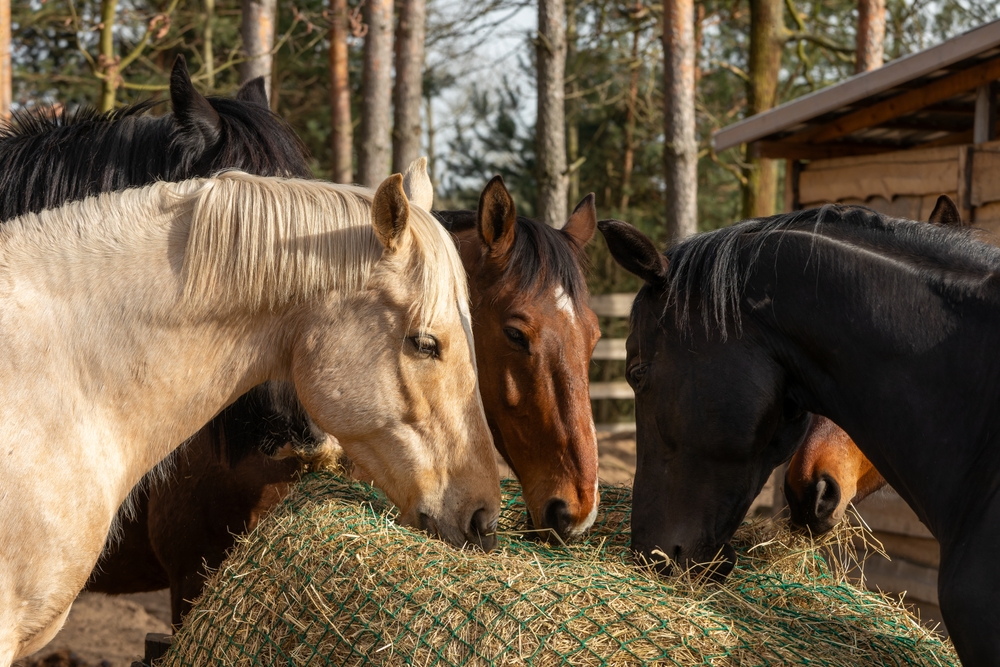
How Gait Analysis Is Done at Metamora Equine
Why Choose Us
Equine sports medicine has a gap that most practices haven’t closed: the space between what a clinical exam can confirm and what a horse is actually experiencing during work. Standard lameness evaluations are valuable, but they have limits. They depend on what’s visible on a given day, under specific conditions, with a specific observer. That leaves a wide margin for issues to go undetected, particularly in performance horses where compensation patterns develop gradually and quietly over time.
Metamora Equine addresses that gap directly. Sensor-based gait analysis is not an add-on here, it’s a core part of how complex cases are worked up and monitored. Bringing this level of diagnostic precision to equine sports medicine means you’re not left waiting for a problem to become obvious before it gets addressed. You get answers earlier, treatment decisions grounded in real movement data, and a clearer picture of your horse’s soundness at every stage of care.

Know Exactly Where Your Horse Stands With Gait Analysis (Arioneo Vet Equisym System)!
After a gait analysis (Arioneo Vet Equisym System) at Metamora Equine, you leave with something most horse owners rarely get: a precise, data-backed picture of how your horse moves, where asymmetries exist, and what those findings mean for their care going forward. No uncertainty, no waiting for a problem to worsen, no second-guessing a treatment direction.
Dr. Roland Thaler, VMD DACVSMR, walks you through every finding so the next steps in your horse’s care are clear and fully supported by evidence. Schedule your gait analysis appointment today at 248.310.5568 and if you want a closer look at equine sports medicine in practice, find us on Facebook and Instagram for case insights, educational content, and updates straight from the clinic.
FAQs
What is equine gait analysis?
Equine gait analysis is the scientific evaluation of how a horse moves, using sensors or technology to measure stride characteristics, limb symmetry, and movement patterns. Unlike visual observation alone, this process produces objective, quantifiable data that can detect subtle abnormalities not visible to the naked eye. It is widely used in sports medicine and rehabilitation to guide diagnosis, treatment planning, and performance monitoring.
What is a gaited horse?
A gaited horse is a horse that has been bred to perform one or more alternative ambling gaits beyond the standard walk, trot, and canter. These gaits are typically smooth, four-beat movements that provide a more comfortable ride than the diagonal two-beat trot. Gaited breeds include the Tennessee Walking Horse, Paso Fino, Icelandic Horse, and several others valued for their unique movement qualities.
What are the five gaits of a horse?
The five classical gaits of a horse are the walk, trot, canter, gallop, and rein-back, though in broader equestrian use the five often referenced include the walk, trot, canter, gallop, and a breed-specific ambling gait. Each gait has a distinct footfall pattern, rhythm, and biomechanical demand on the horse’s body. Understanding which gaits a horse performs and how symmetrically it performs them are central to gait analysis and sports medicine evaluation.