

Poor Performance Assessment
Some of the most overlooked athletes in need of our poor performance assessment are the ones that trot out sound, load cleanly on all four limbs, and still can’t deliver what you know they’re capable of. That gap between “technically sound” and “actually performing” is exactly what Metamora Equine is built to address.
Dr. Roland Thaler, VMD DACVSMR, specializes in cases where the standard workup doesn’t tell the whole story, applying a methodical, experience-driven approach to uncover the subtle, hard-to-pinpoint factors behind unexplained underperformance. This is a specialty-level service designed for horses who deserve more than a shrug and a wait-and-see plan.
What Drives Unexplained Underperformance in Sport Horses
Unexplained underperformance rarely has a single cause. In sport horses, the factors that quietly erode performance, such as subtle musculoskeletal tension, early-stage respiratory limitations, compensatory movement patterns, or training-related fatigue, don’t always show up on a first round of imaging. A horse may resist collection, lose impulsion midway through a course, or simply stop producing the output their training history suggests they should. Each of these signs points to something real, even when the initial workup comes back clean.
What drives these cases is the interaction between multiple systems under athletic demand. Identifying the source requires looking at how the horse moves under load, how their history aligns with their current presentation, and where standard diagnostics may have stopped short. This is precisely the kind of case that demands progressive, methodical investigation, not a repeat of the same exam that didn’t produce answers the first time.
Why a Dedicated Performance Assessment Makes a Difference
Answers When Standard Exams Fall Short
Many performance issues don’t show up on a basic exam or a first round of imaging. A dedicated poor performance assessment uses progressive diagnostics, building from observation to advanced testing, so that subtle problems aren’t overlooked. You get a thorough evaluation rather than a surface-level answer that sends you in circles.
A Clearer Picture of Your Horse's Full Health Profile
This assessment looks at your horse as a whole athlete, not just a set of limbs. Respiratory function, muscle development, neurological responses, and movement patterns all factor into performance. By evaluating these systems together, you come away with a more complete understanding of what’s affecting your horse and why.
Fewer Wasted Treatments and Less Guesswork
Without proper investigation, it’s easy to treat the wrong problem and spend time and money on interventions that don’t address the real issue. A poor performance assessment narrows the diagnostic path early, helping you avoid unnecessary treatments and focus resources on what will actually make a difference for your horse.
Collaborative, Owner-Informed Decision-Making
This process involves you. Your observations about your horse’s behavior, history, and changes over time are critical data points that shape the diagnostic direction. That collaboration leads to a more accurate assessment and a treatment plan you understand and feel confident implementing.
Specialty-Level Expertise Applied to Complex Cases
Not every equine practice is equipped to handle the nuanced cases that poor performance assessments demand. This is a niche, experience-driven service that requires deep clinical knowledge of equine sports medicine. You benefit from a level of diagnostic sophistication that goes well beyond what a general wellness visit can offer.

How We Get to the Bottom of Your Horse’s Performance Issues
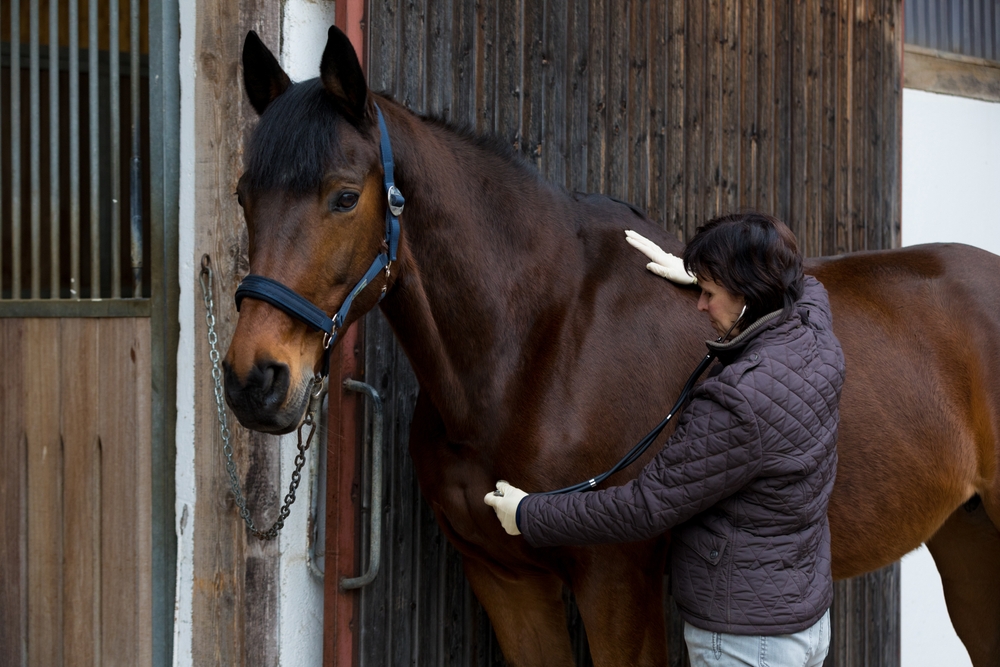
What Sets Our Poor Performance Assessment
Metamora Equine approaches poor performance cases with the seriousness they deserve. These are not quick-fix situations. They require a veterinarian who is willing to invest time, ask the harder diagnostic questions, and stay engaged with the case over the long term. That’s exactly what this service is built to deliver. Roland Thaler, VMD DACVSMR brings board-certified expertise in equine sports medicine and rehabilitation to every assessment, which means your horse’s case is being evaluated by someone trained to see what others might miss.
What sets this service apart is its commitment to collaboration and thoroughness. You are an active participant in the process, not just a bystander. Your insights, your observations, and your goals all shape the direction of the investigation. Combined with progressive diagnostics and a deep understanding of equine athletic physiology, this approach gives horses without obvious pathology a real chance at a proper diagnosis and a real path back to the performance level they’re capable of reaching.

Schedule Our Poor Performance Assessment
Our poor performance assessment exists because unexplained underperformance has a way of dragging on when the right diagnostic approach isn’t applied from the start. Our practice specializes in exactly these cases, the ones that don’t fit a standard workup and deserve a deeper, more disciplined investigation. Your horse has worked hard to get where they are, and a thorough poor performance assessment may be the missing piece that finally moves things forward.
Take a closer look at how Dr. Roland Thaler, VMD DACVSMR works through these cases by following Metamora Equine on Facebook and Instagram, then put that expertise to work for your horse by calling 248.310.5568 to book your assessment.
FAQs
Does it affect a horse's performance to be toed in?
Yes, conformation like being toed in can meaningfully affect how a horse moves and performs over time. This type of conformation alters the way force is distributed through the limb during movement, which can lead to uneven wear, compensatory patterns, and reduced efficiency in athletic work. A poor performance assessment considers conformation as part of the broader biomechanical picture to understand how it may be contributing to a horse’s performance limitations.
How can upper respiratory problems interfere with performance in horses?
The respiratory system is critical to athletic performance, and any compromise in airflow directly limits a horse’s capacity for sustained effort. Conditions like recurrent airway obstruction, exercise-induced pulmonary hemorrhage, or upper airway dysfunction can reduce oxygen delivery and cause a horse to fatigue more quickly than expected. These issues are often subtle enough to go unnoticed during rest but become significant under the demands of competition or training, making respiratory evaluation an important component of a thorough performance assessment.
How does the track condition affect the horses' performance?
Track conditions play a significant role in how a horse moves, how much energy they expend, and how much stress is placed on their musculoskeletal system. Firm ground increases concussive forces on the limbs, while deep or heavy footing demands greater muscular effort and can mask or exacerbate underlying issues. When evaluating a poor performance case, surface and environmental factors are always considered alongside the horse’s physical findings to ensure the full picture is accounted for.