
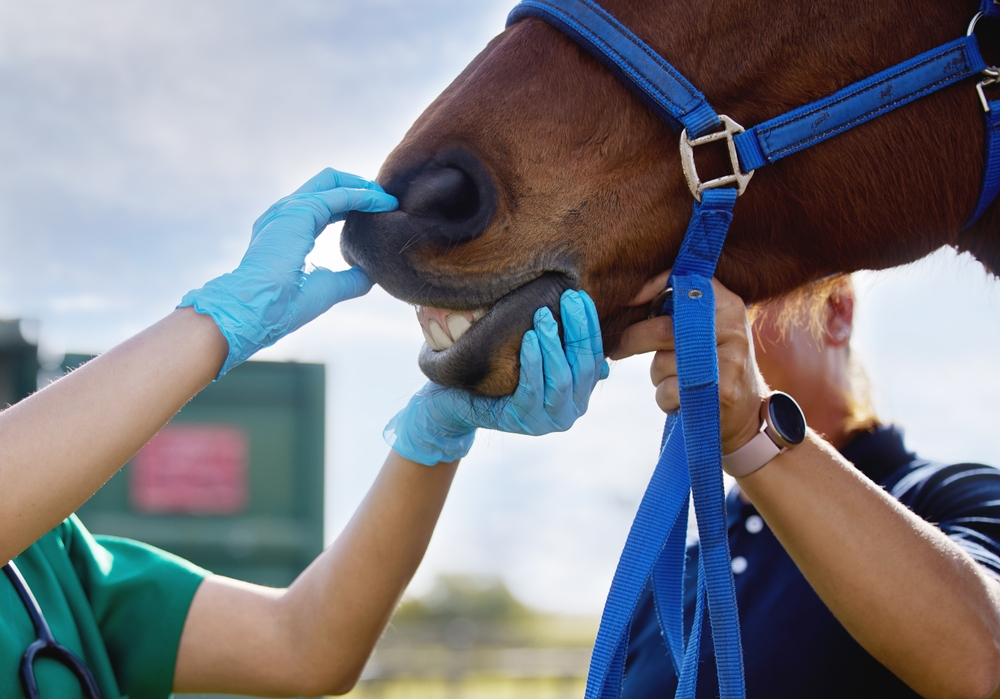
Laboratory Services
Your performance horse doesn’t get a day off, and our laboratory services help maintain the standard of care Dr. Roland Thaler, VMD DACVSMR, holds himself to at Metamora Equine. Precise, timely diagnostics are built into every evaluation, because treating a horse well means understanding what’s actually happening at the metabolic and physiological level before making any clinical call. Laboratory services make that possible, giving you clear, actionable information that drives smarter treatment decisions and better outcomes for your horse.
How Metabolic and Diagnostic Testing Protects Your Horse
Performance horses operate under significant physical demand, and that stress doesn’t always show up in obvious ways. A horse can look healthy, move well, and still have metabolic imbalances or underlying conditions that quietly affect recovery, soundness, and long-term durability. Lab testing catches what a visual exam simply cannot, giving you a clear, measurable picture of what’s happening inside before it becomes a problem you can’t ignore.
Diagnostic testing also plays a direct role in keeping your horse safe during treatment. Certain medications, corticosteroids in particular, carry real risks for horses with undetected hormonal or metabolic conditions. Running the right panels before treatment isn’t a formality; it’s a safeguard. Accurate lab data means every clinical decision is made with full information, reducing the chance of complications and making each intervention as effective as possible.
Diagnostic Support Built Around Your Horse
Stall-Side Metabolic Testing Before Use of Corticosteroids
Before any corticosteroid is administered, your horse deserves a thorough metabolic evaluation, and so does the decision behind it. Stall-side metabolic testing allows Dr. Thaler to assess key indicators right at the barn, ensuring that corticosteroid use is both appropriate and safe for your individual horse. This proactive step protects horses with underlying hormonal or metabolic conditions from unnecessary risk, and reflects the evidence-based, welfare-first standard that defines care at Metamora Equine.
On-Site or Coordinated Lab Diagnostics
Not every diagnostic scenario requires a trip to a referral hospital. Metamora Equine offers on-site lab capabilities as well as seamless coordination with trusted external labs when more advanced panels are needed. This means faster turnaround, less disruption to your horse’s routine, and results that feed directly into your horse’s ongoing treatment plan. Your horse receives thorough diagnostic support without unnecessary delays, regardless of what the testing requires.
Streamlined Access to Medications Tied to Active Cases
Once a diagnosis is confirmed, getting the right medication into your horse’s treatment plan quickly is essential. Metamora Equine provides streamlined access to medications directly tied to active cases, reducing the gap between diagnosis and treatment. This integrated approach means you’re not chasing down prescriptions or waiting on approvals. Your horse’s care moves forward efficiently, with every step coordinated under Dr. Thaler’s oversight.
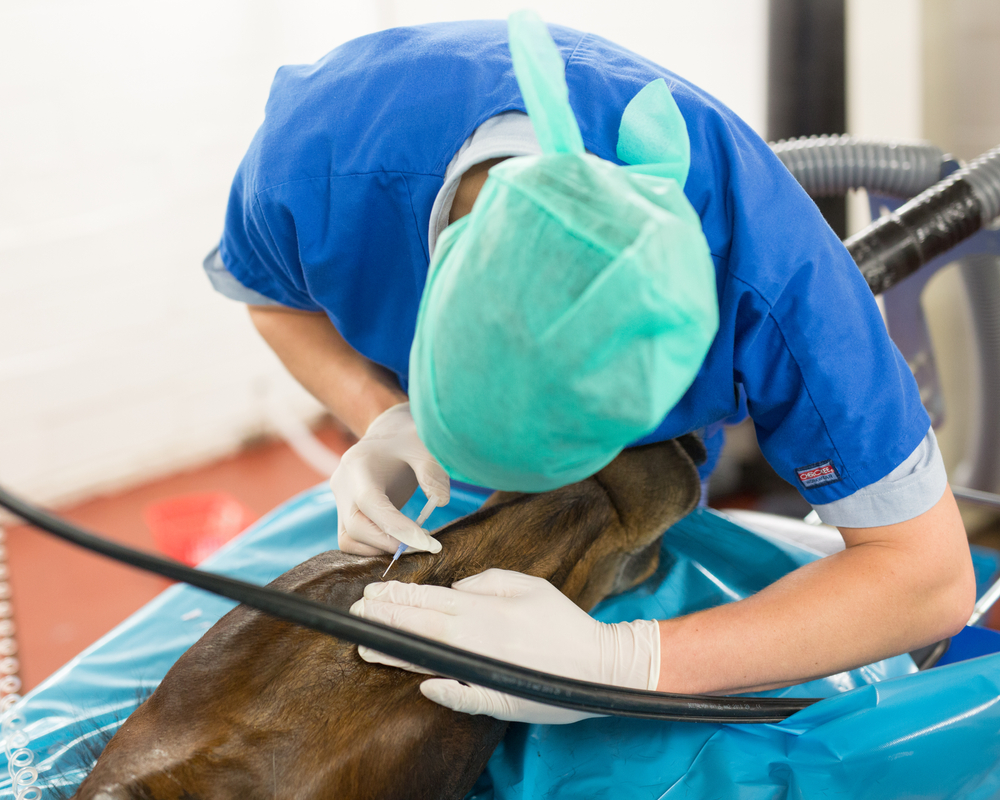
What to Expect From Our Diagnostic Process

Why Choose Us
Dr. Thaler doesn’t treat lab work as a box to check before moving on to treatment. He treats it as the foundation every clinical decision is built on. That distinction matters more than it might seem. When diagnostics are taken seriously from the start, treatments are more precise, risks are better managed, and horses spend less time cycling through interventions that weren’t grounded in solid data. That’s the standard Roland Thaler, VMD DACVSMR, has held throughout his career, and it’s reflected in how laboratory services are integrated into every aspect of care at the practice.
What that looks like in practice is a veterinarian who explains results clearly, connects findings directly to your horse’s situation, and doesn’t move forward until the data supports the next step. You won’t receive a report you don’t understand or a recommendation that isn’t backed by objective information. For owners and trainers managing performance horses at a high level, that kind of diagnostic discipline isn’t a luxury. It’s exactly what your horse’s health and competitive longevity require.

Schedule Our Laboratory Services
Our laboratory services are part of the preparation that determines how your horse performs when it counts. Roland Thaler, VMD DACVSMR, works with owners and trainers who take that preparation seriously, and laboratory services are a core part of getting your horse to the start line in the best possible condition. Book your diagnostic evaluation with Metamora Equine before the season gets ahead of you.
To schedule an appointment, connect with the practice directly by phone or through the contact page. You can also follow Metamora Equine on social media for updates on Dr. Thaler’s travel schedule, competition appearances, and practical insights on performance horse health, a useful resource for staying ahead of what your horse needs at every stage of the season.
FAQs
Why is metabolic testing important before giving corticosteroids to a horse?
Corticosteroids are effective anti-inflammatory tools, but they carry real risks for horses with underlying metabolic conditions like Equine Metabolic Syndrome or Pituitary Pars Intermedia Dysfunction (PPID). Stall-side metabolic testing helps identify those risks before administration, not after. This step protects your horse’s health and ensures that treatment decisions are based on data rather than assumptions.
What types of lab diagnostics does an equine sports medicine practice typically perform?
Equine lab diagnostics can range from routine bloodwork such as complete blood counts and chemistry panels to more specialized tests evaluating hormonal balance, muscle enzyme levels, or inflammatory markers. The specific panels recommended depend on your horse’s symptoms, workload, and competition schedule. A targeted diagnostic approach is always more useful than running unnecessary tests without clinical context.
How quickly can lab results influence a horse's treatment plan?
With on-site testing capabilities and coordinated access to external labs, results can often be available quickly enough to inform same-visit decisions. In many cases, Dr. Thaler can review findings, discuss implications with you, and adjust a treatment protocol during a single barn call. Faster results mean faster action and less time your horse spends without a clear plan.
Can laboratory services help with competition clearance or medication management?
Yes. Lab diagnostics play an important role in ensuring that horses competing at regulated shows are receiving appropriate medications within permissible parameters. Accurate bloodwork helps guide dosing decisions, timing of treatments, and withdrawal periods where applicable. This is one area where having an experienced equine sports medicine specialist managing your horse’s care makes a significant difference.
How often should a performance horse have routine lab work done?
The frequency depends on your horse’s age, workload, competition schedule, and any existing health conditions. Many performance horses benefit from at least annual baseline bloodwork, with additional panels recommended before or after high-demand competition seasons. Dr. Thaler will help you build a monitoring schedule that makes clinical and practical sense for your horse’s specific situation.