Soundness You Can trust: From The Schooling Ring To The Grand Prix Ring
Schedule a performance-focused gait assessment

Our vets in West Bloomfield, MI, bring board-certified equine sports medicine directly to barns across the region, using advanced diagnostics to pinpoint the cause of your horse’s lameness or performance decline. West Bloomfield, MI sits in the heart of one of Michigan’s busiest equestrian communities, and the horses competing out of this area deserve more than a general wellness check when something goes wrong.

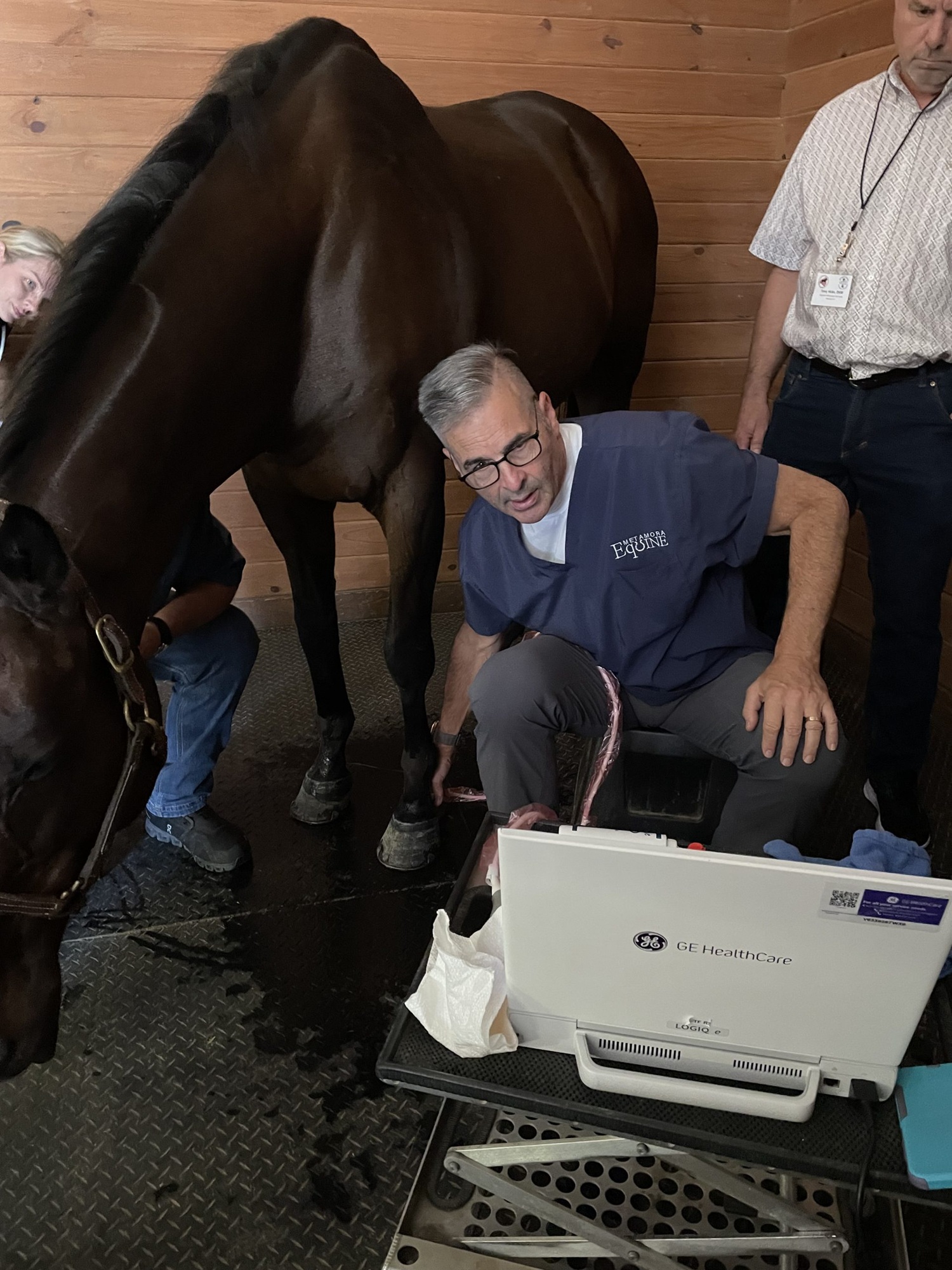
Metamora Equine delivers advanced, performance-focused veterinary care for competition horses, led by Dr. Thaler’s board-certified expertise in equine sports medicine. Every service supports accurate diagnosis, long-term athletic success, and thoughtful treatment.
We provide exceptional care for your equine athlete. Metamora Equine brings evidence-based medical solutions to the stall. We leverage technology and 40 years of experience to deliver health care to your horse.
Comprehensive care: working with your trainer, your farrier and you to provide the optimum performance management for your horse.
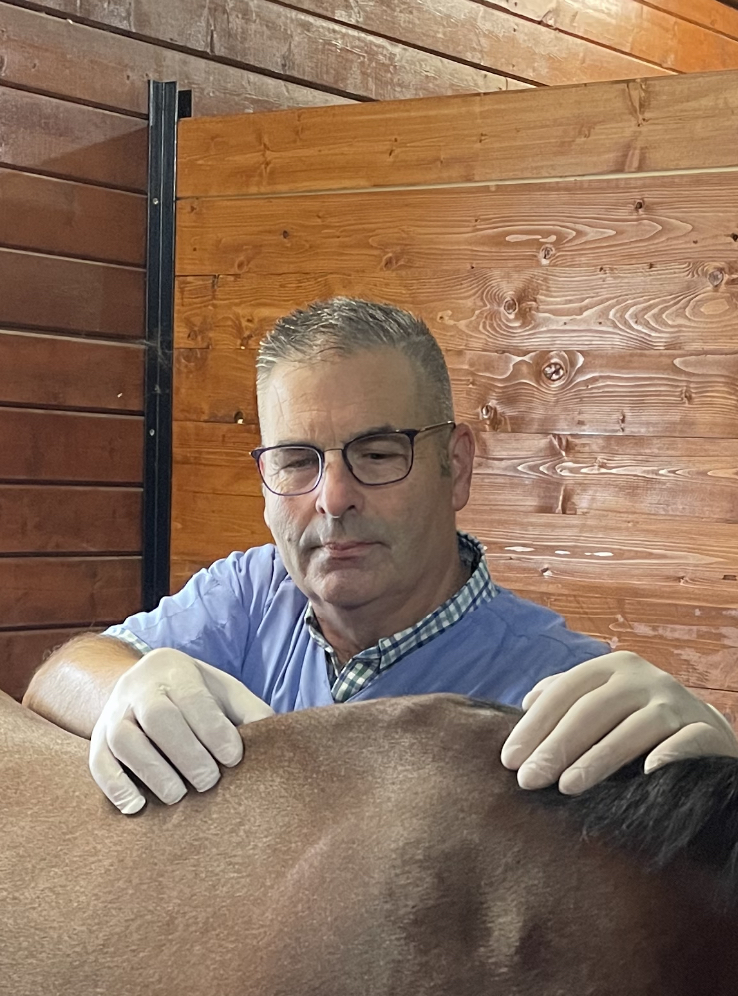
Forty-plus years in equine sports medicine is a long time to develop a diagnostic eye, and Dr. Thaler has spent every one of those years working with the kinds of complex cases that other equine practitioners refer out. As a board-certified Diplomate of the American College of Veterinary Sports Medicine and Rehabilitation (DACVSMR), he holds one of the most specialized credentials in veterinary medicine, supplemented by a Fellowship in the College of Animal Chiropractors and certification with the International Society of Equine Locomotor Pathologists (ISELP). Compassionate treatment is not just a phrase here. It shows up in every evaluation, every explanation, and every follow-up call. The loyal clientele Metamora Equine has built across Michigan, Ohio, and the Southeast is a direct result of honest, consistent care that puts the horse first and does not guess when it can diagnose.
The horses most at risk from undiagnosed lameness are often the ones still competing. Our lameness evaluations are built for the real world of competition horses: ambulatory, objective, and designed to find what standard veterinary clinic visits often miss.
Not every lameness problem looks like a lameness problem. Some show up as behavioral issues, some as gradual performance dips, and some only appear under specific movement conditions that a controlled exam never replicates. If something feels off and you cannot pin it down, that is exactly what our evaluation process is built for.
Horses do not need to be visibly lame to benefit from a structured evaluation. Competition horses with shortened strides, resistance to specific movements, or declining scores that do not match their training history are strong candidates. So are horses coming back from time off, those with a history of injury that never quite resolved, and animals whose trainers describe as not feeling right. If your bloomfield vet has run basic checks and found nothing, that does not mean nothing is there. It often means the problem needs a more specialized look than routine check-ups can provide.
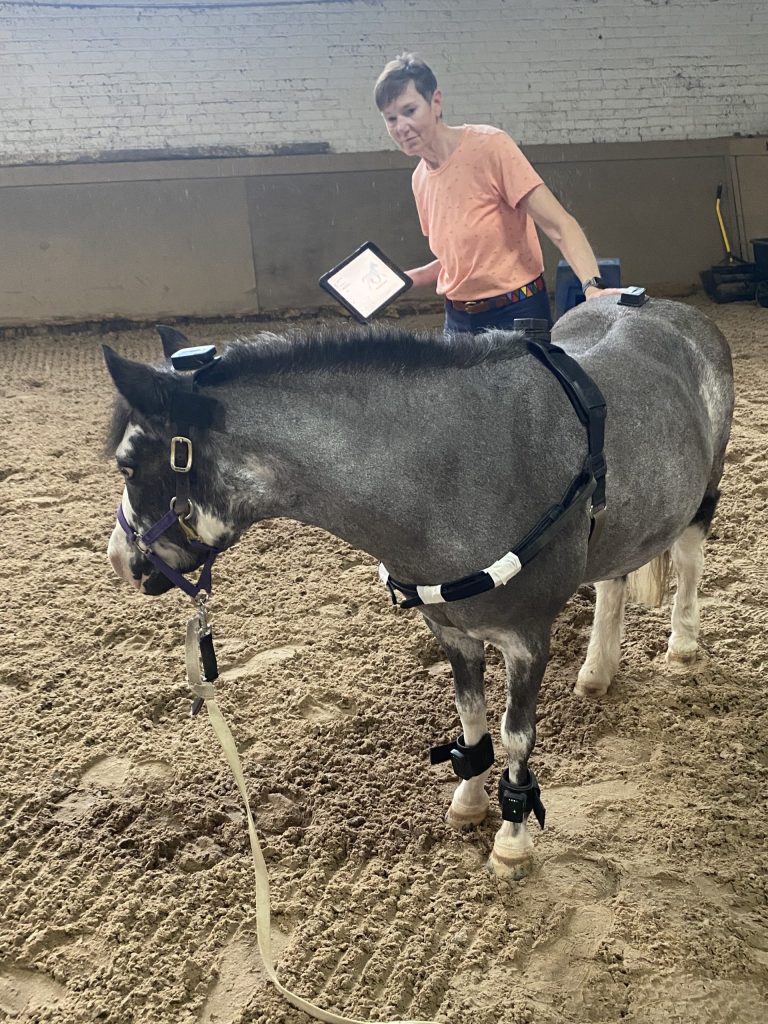
We start with a thorough history and observe your horse at rest and moving on multiple surfaces. The Arioneo Vet Equisym System delivers objective, quantifiable gait data rather than relying on visual impression alone, which matters most when changes are subtle. Diagnostic anesthesia blocks isolate where pain is coming from with precision that observation cannot match. We assess muscle development and symmetry, look for compensation patterns, and document everything before discussing findings with you on the spot. You leave the visit knowing what we found, why it matters, and what we are going to do about it.
A lameness evaluation is where every serious treatment plan for a competition horse should start. Without knowing the source of the problem, rest, injections, and training adjustments are guesses. Our findings connect directly to your farrier, trainer, and regular veterinarian, building a coordinated care picture around your horse’s actual competition schedule. We produce reports your whole team can work from and schedule follow-up evaluations so progress does not go untracked between visits.
The right time is earlier than most horse owners think. By the time a horse shows obvious, consistent lameness, the problem has often been developing for months. We see the best outcomes when owners schedule evaluation at the first sign of a gait change, a reluctance to perform movements that were easy before, or a performance dip that training adjustments have not fixed. Pre-competition evaluation is also worth scheduling to catch anything developing before the stress of showing makes it worse.
The case for objective, systematic evaluation comes down to what visual assessment alone misses. Research published in the Equine Veterinary Journal 2010 found that when mild lameness cases with a mean AAEP score at or below 1.5 were assessed by experienced clinicians using visual methods alone, those clinicians agreed on the correct diagnosis only 61.9% of the time. That means equine general practice medicine relying on subjective assessment gets it wrong in low-grade cases nearly as often as it gets it right. Our objective gait analysis, diagnostic anesthesia, and board-certified interpretation close that gap significantly.
The horses most likely to suffer career-ending injuries are not always the ones already showing obvious lameness. A case-control study published in Frontiers in Veterinary Science, drawing on necropsy records from the California Horse Racing Board, found that Thoroughbred racehorses who suffered catastrophic musculoskeletal injuries “were more likely to show signs of lameness within the three months prior to death compared to controls.” Horses that competed through unresolved lameness signs paid for it with their careers. The same principle applies across disciplines: a horse competing through an undiagnosed problem is not just risking a bad round. Compensatory movement patterns layer new damage on top of the original issue, financial costs compound, and by the time the injury is obvious, the window for straightforward treatment has often already closed.

When a horse’s results keep slipping and nobody has a clear answer, the problem is usually not the training. Poor performance assessment looks beyond what a standard lameness exam covers and into every system that drives athletic output, giving you specific, actionable findings rather than guesswork.
A horse that tests sound can still be hurting. Gastric disease, respiratory compromise, spinal restrictions, and metabolic imbalances all limit performance without creating obvious lameness. If your horse’s results are dropping despite consistent work, the answer is a full medical picture, not more training.
There is a difference between a horse receiving veterinary care and a horse receiving sports medicine. One responds to problems after they surface. The other is designed to prevent them, catch them early, and keep athletic horses competing longer and more soundly.
West Bloomfield’s competitive horse community puts serious demands on equine athletes across hunter/jumper, dressage, and eventing disciplines. Sports medicine is the branch of veterinary medicine built specifically for those demands, covering proactive monitoring, early intervention, and targeted treatment of performance-limiting conditions that general practice overlooks.
If a horse competes regularly, sports medicine support is worth considering. The discipline matters less than the demand level. Hunter/jumper, dressage, eventing, and trail horses all develop discipline-specific stress patterns that standard veterinary care is not designed to track. Young horses in their first competitive seasons benefit from proactive monitoring that catches developing problems before they become established. Horses in the middle of demanding competition careers need regular checkpoints to stay ahead of cumulative wear. Veterans managing age-related changes need a different approach than the one that served them earlier in their careers.
Dr. Thaler works as an animal veterinarian whose entire clinical focus is on the performance horse. Spinal manipulative therapy addresses joint restrictions in the back and pelvis that reduce stride quality and cause discomfort under saddle. Digital radiography and ultrasound are performed in the field as part of most evaluations. When a case calls for imaging that cannot be done on-site, we coordinate referral to a veterinary hospital equipped for MRI, CT, or nuclear scintigraphy. Disease preparedness is factored in as well. Performance horses traveling to competitions face illness exposure that home-based horses do not, and that risk is part of how we approach monitoring and preventive planning.
Think of sports medicine as the medical layer of your horse’s competitive program. Training, nutrition, and farriery are handled by your team. We provide the medical monitoring and intervention that makes all of that more effective by removing physical limitations before they become training problems. Our ambulatory model means we work around your schedule, document everything across visits, and build a longitudinal health record that becomes valuable when you are facing a treatment decision years down the line. You receive direct, practical guidance from Dr. Thaler at every visit, not a report passed through staff.
The best time to start is before problems show up. Horses entering their first serious competition season benefit from a baseline evaluation that gives us something to compare against in future visits. Horses mid-career in demanding programs should be seen at the start of each season and after any stretch of intensive showing. Post-competition assessment after a major event is worth scheduling to address anything that built up during the season before it compounds further in the off-season.
Standard veterinary medicine treats what it finds. Sports medicine is designed to find things before they become obvious, and that distinction matters significantly for horses whose careers depend on staying sound. Research published in Animals Basel 2015 found that “proactive integration of care by health professionals could provide a mechanism to attenuate injury risk” in equine athletes. That is the standard of care Metamora Equine operates at. General veterinary medicine does not provide the specialized monitoring, diagnostic tools, or treatment protocols that athletic horses need. By the time a general practice approach identifies a problem, it has usually developed long enough to require considerably more treatment than early detection would have needed.
The data on what happens to competition horses without proactive sports medicine monitoring is consistent across disciplines. Research published in Animals Basel 2015 found that musculoskeletal injury accounts for “approximately one third of all losses and wastage within dressage, show jumping, and eventing.” One in three sport horses loses competitive viability to a musculoskeletal problem. Proactive monitoring and early intervention are the available mechanisms to work against that pattern. Horses that receive only routine check-ups miss the monitoring layer that catches problems while they are still manageable. The cost of that gap is measured in treatment time, rehabilitation, and in many cases, careers that end before they should.
40+ years of experience. National reputation. Proven clinical and business leadership.



Metamora has really great imaging that they bring right to us. It allows them to follow every lead to fruition. No waiting and no guessing. They also take a very methodical approach to every exam. It’s a process, like building a puzzle, so using diagnostics and technology to collect data reveals another part of the puzzle.
Sarah Ash, Trainer, True Course Farm
Doctor Thaler is incredible at diagnostics. He has the tools, the training, and the experience to solve challenges that other vets really could not. Figuring out lameness can be very subjective. Dr. Thaler uses technology to look for answers and tell him things that the rider can’t, that the horse can’t.
Cindy Petherbridge, Trainer, Huntsover Farms
With Metamora, the horse comes first. They bring urgency and care to every visit. They’re good with the horses – even difficult ones – and then they take the time to talk to the owner or the rider.
The technology has always been the thing that impressed us. Doctor Thaler has the science that backs it up. He has the tools and the techniques, and he’s done the studies and read the latest news. When he makes a suggestion, there are facts behind it, not a guess. He gives you the best of all the options available for whatever we are dealing with.
Rhonda Wille, Owner
It’s easy for vets who see hundreds of horses to quickly turn to solutions that have worked for them before. In contrast, Dr. Thaler is always gaining new knowledge. He has the most modern and best diagnostic equipment, and so he suggests new perspectives and ideas. That’s important to being successful in diagnosing injuries and problems.
For clients serious about performance, Metamora is my go-to. Dr. Thaler is the top sports veterinarian and a partner and resource for diagnosing lameness and other problems, as well as suggesting therapeutic solutions.
Garth Short, Owner, Horseshoeing Incorporated
The communication from Metamora is key. I am always contacting them first with my questions. They’re ability to answer the call and provide service to clients is unmatched, even if that means going the extra mile to accommodate.
Leah Smaller, Professional Rider and Trainer
Doctor Thaler has a problem-solving mindset. There’s no one better at finding an issue. He uses technology and experience to understand the issue.
Jaafar Reza, Trainer, Gross Point Equestrian
There are many different therapeutic applications that promote healing. Dr. Thaler comes in with the science. He’ll study the X-rays and do the diagnostics, then I’ll do the farrier work. We’ve brought horses back from lameness and saved horses that otherwise would be done. He’s 100% onboard to get the horse through it.
This practice defines excellence
Dana Wille, Head Trainer, Equine Odyssey
Sometimes I walk into a barn and know Metamora’s been there because there is a picture drawn of a horse’s leg showing where this injury was. Dr. Thaler is great at explaining complex things very simply.

Our vets in West Bloomfield, MI, bring ambulatory equine sports medicine straight to your barn, not the other way around. If your horse has a lameness problem that has not been resolved, a performance decline that training has not explained, or a competition season coming up that you want to approach with more confidence, we are ready to help. Call us at 248.310.5568 to schedule your evaluation and find out what your horse has been trying to tell you.
Got questions about how our practice works or what to expect when you reach out? Here is what horse owners in the West Bloomfield area most commonly want to know before booking their first visit.
Bonnie Thaler handles all scheduling and will work with you to find a visit time that fits your barn’s schedule and your horse’s level of urgency. We cover West Bloomfield and surrounding areas as part of our regular service routes. Call our office directly to talk through what you are seeing with your horse and we will coordinate from there. Urgent care appointments can often be fit in quickly when the situation calls for it.
Dr. Thaler conducts every evaluation himself, starting with a thorough conversation about your horse’s history, recent changes, and what you have already tried. From there he moves into the physical examination and movement assessment. Depending on what the exam turns up, we may run diagnostic anesthesia, imaging, or gait analysis during the same visit. You leave with a clear explanation of findings and a written report before we go.
Yes, every visit is ambulatory. We bring diagnostic equipment to your facility, which keeps your horse in their home environment and tends to produce more accurate assessments than a veterinary clinic or veterinary hospital setting. We do not require transport for routine lameness and sports medicine evaluations.
Most equine general practice medicine is designed to cover a wide range of horses with a wide range of needs. Metamora Equine does one thing: sports medicine for competition horses. Dr. Thaler’s board certification through the DACVSMR represents one of the highest specialty credentials available in this field of veterinary medicine. That focus, combined with objective diagnostic tools and over 40 years of case experience, produces outcomes that general practice cannot match for performance horses with complex or subtle problems.
Urgent care cases are given priority scheduling. If your horse has an acute lameness, a sudden drop in performance, or something that cannot wait, contact our office and we will work to get there as quickly as possible. Same-day and next-day visits are often available for urgent situations in our service area. The sooner a problem is properly assessed, the more treatment options remain on the table.

©2026 Metamora Equine. Designed and Managed by ViziSites. Terms of Use. Website Accessibility.