Soundness You Can trust: From The Schooling Ring To The Grand Prix Ring
Schedule a performance-focused gait assessment

Our vets in Oxford, MI brings board-certified equine sports medicine and state of the art medical care directly to your barn in northern Oakland County. Competition horses don’t usually announce when something is wrong. They keep working, they get through the session, and the signal that something has shifted might be nothing more than a point score, a trainer’s note, or a gut feeling that the horse isn’t quite the same as last month. Metamora Equine is the oxford veterinary practice built for exactly that kind of case.

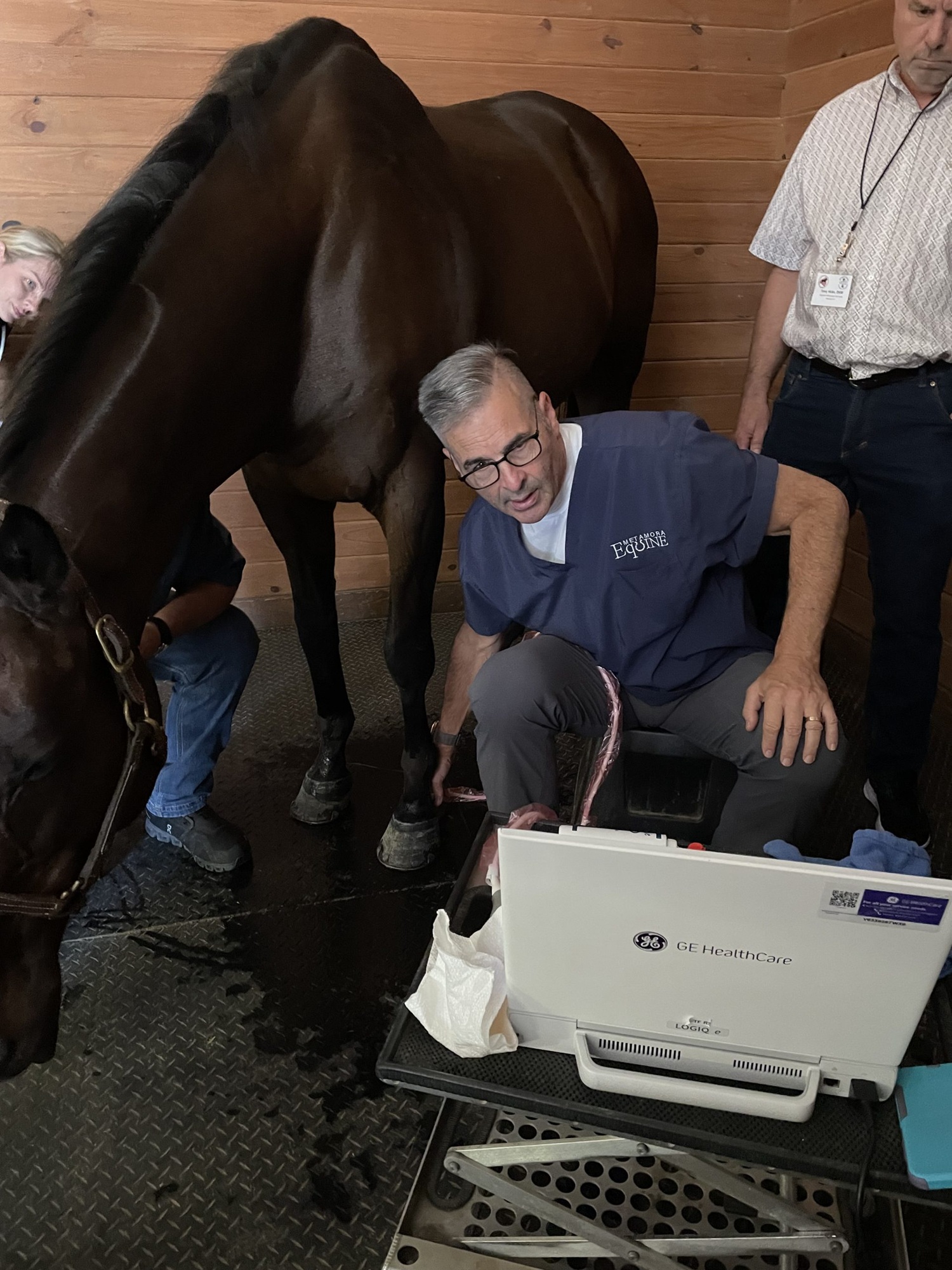
Metamora Equine delivers advanced, performance-focused veterinary care for competition horses, led by Dr. Thaler’s board-certified expertise in equine sports medicine. Every service supports accurate diagnosis, long-term athletic success, and thoughtful treatment.
We provide exceptional care for your equine athlete. Metamora Equine brings evidence-based medical solutions to the stall. We leverage technology and 40 years of experience to deliver health care to your horse.
Comprehensive care: working with your trainer, your farrier and you to provide the optimum performance management for your horse.
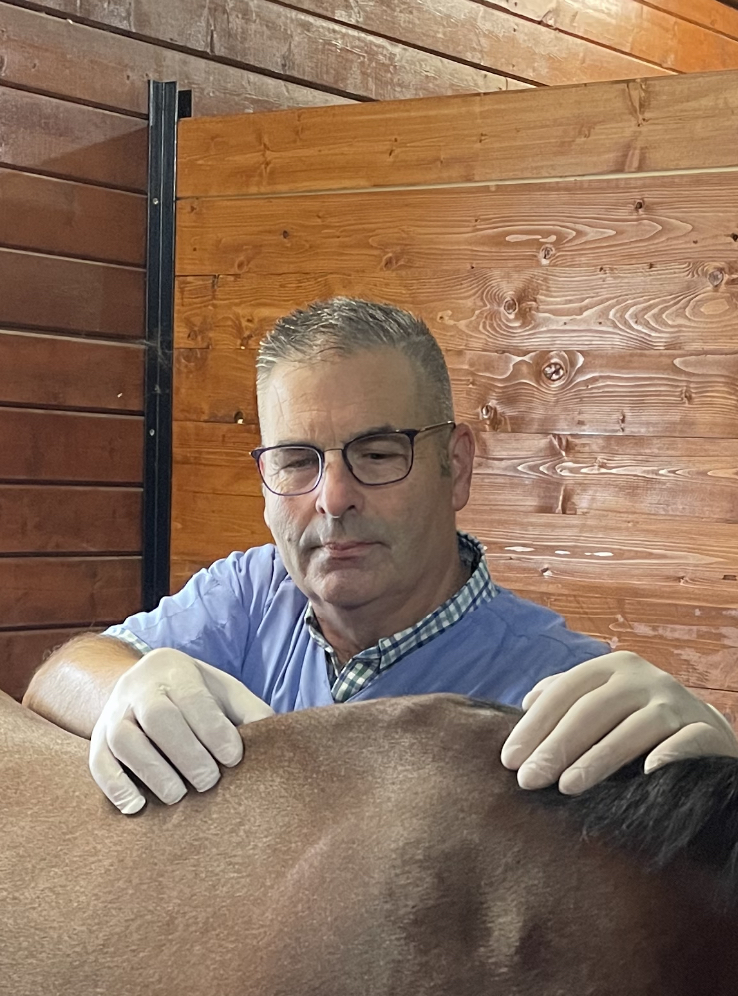
University of Pennsylvania School of Veterinary Medicine graduate, board-certified Diplomate of the American College of Veterinary Sports Medicine and Rehabilitation, Fellow of the College of Animal Chiropractors, and certified member of the International Society of Equine Locomotor Pathologists. Those credentials rarely appear together in an ambulatory practice. Dr. Thaler has spent more than two decades building Metamora Equine out of Davisburg, Oakland County, specifically to deliver comprehensive health care for performance horses and answer the questions general practice isn’t equipped to address: why a competition horse isn’t performing at the level its training should produce, and exactly what needs to change. Bonnie Thaler, practice manager and certified veterinary technician, handles scheduling, client communication, and horse care support at every visit. The horse owners who know this practice best are often the ones who found it after exhausting other options.
The lameness most likely to cost a horse its competitive career is usually not the one that’s obvious from the fence. These sections explain who this service is built for, what a complete evaluation looks like start to finish, and what research shows about what happens when subtle lameness keeps getting managed rather than properly diagnosed.
A horse that comes out of warm-up marginally different than it did last month is not a horse that needs a week off. It needs a diagnosis. Professional lameness evaluation is the tool that distinguishes a developing structural problem from a sore muscle, and for competition horses, that distinction is the difference between an early intervention and a career interruption.
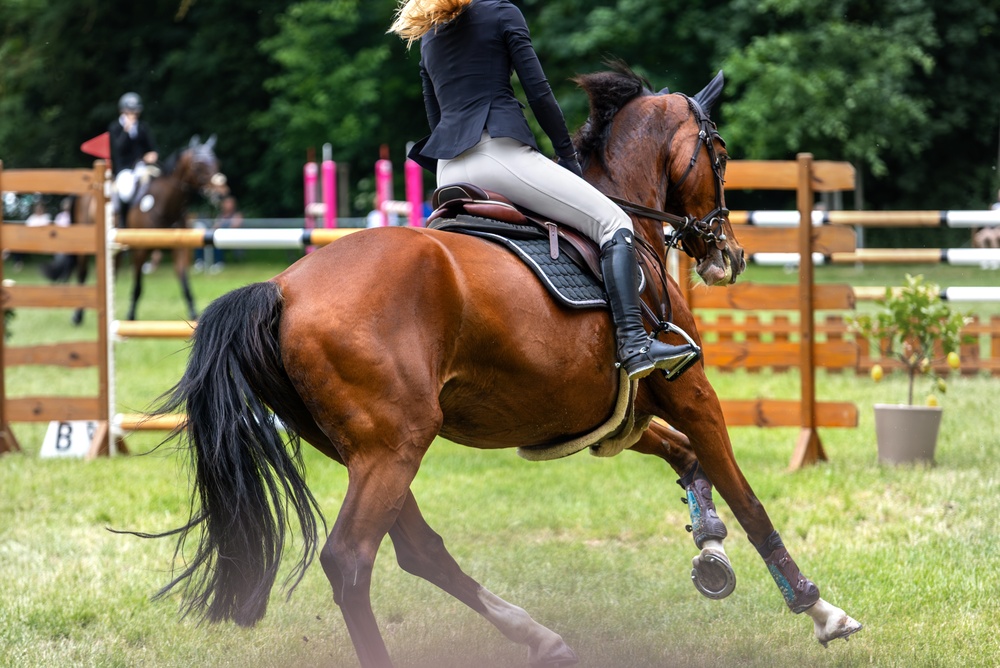
The horses who benefit most are those being asked to perform at a level where subtle movement changes affect the outcome. Hunter/jumper horses where an extra chip changes a class result. Dressage horses where the quality of a single movement affects a coefficient. Eventers where hesitation approaching a combination is a safety concern rather than just a training note. Pre-purchase evaluation is also the right time for lameness screening, particularly for horses being acquired for a serious competitive purpose. Post-injury clearance belongs here too, including for injuries that appeared to resolve completely, because apparent resolution and confirmed soundness are not the same thing.
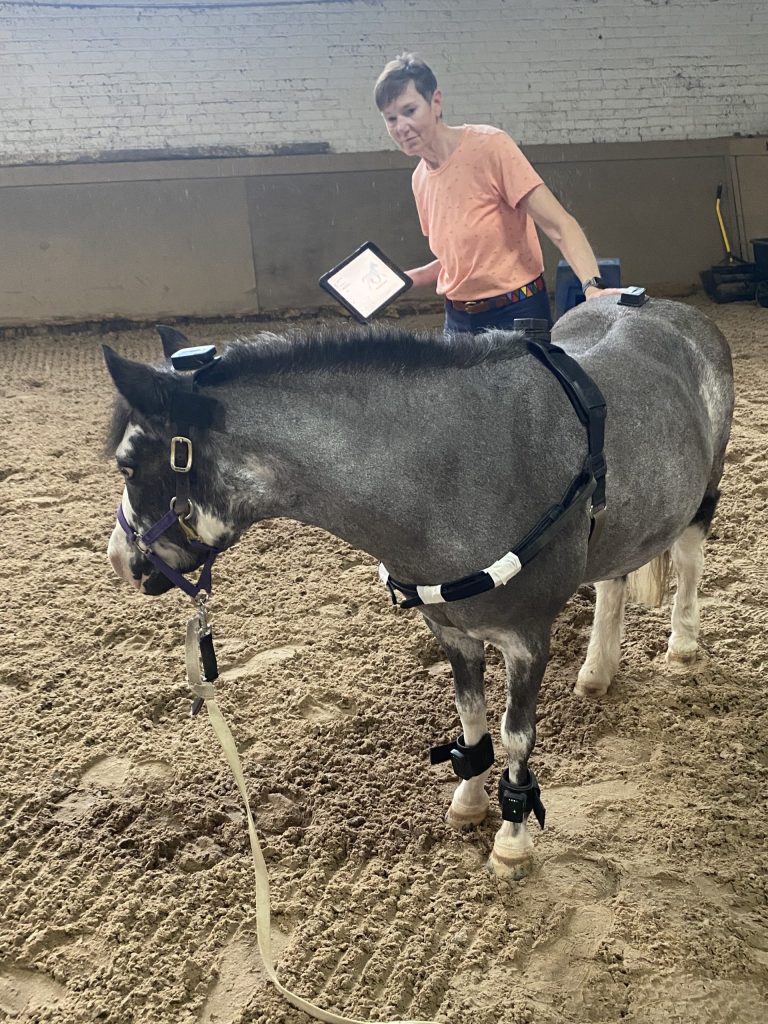
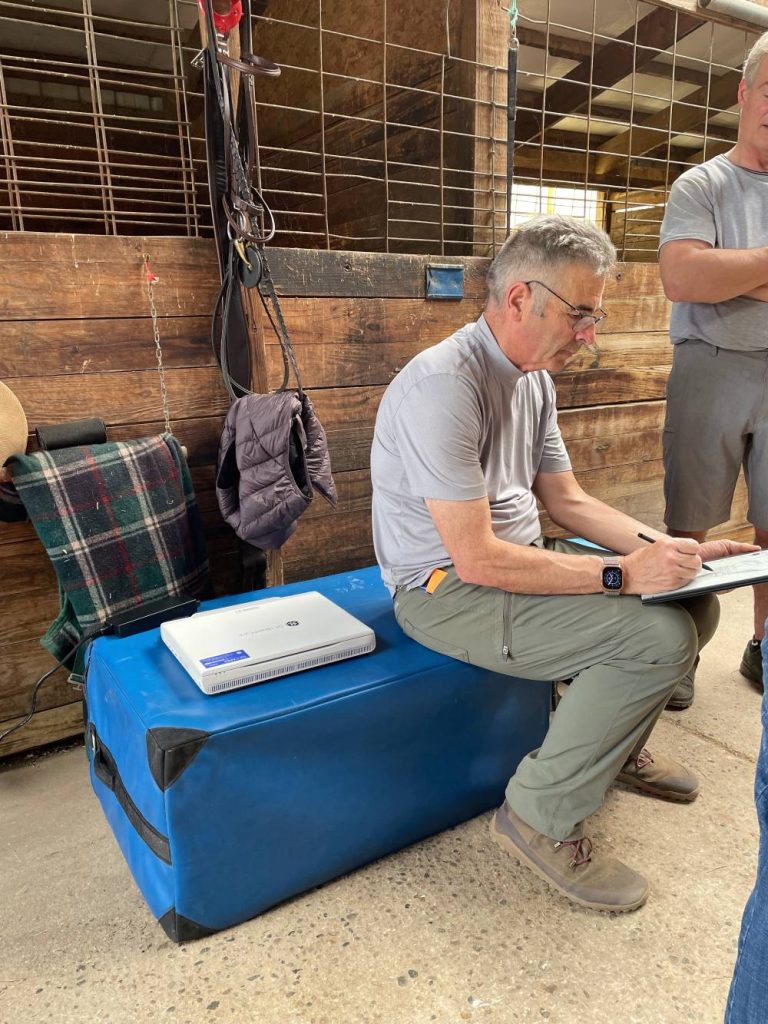
We start with the history: what you have noticed, what your trainer has flagged, and what the competitive context has looked like recently. That information shapes every decision that follows. Structured movement observation at multiple gaits on different surfaces comes next. The Arioneo Vet Equisym System then captures gait data that extends the evaluation into asymmetries below the threshold of visual detection. Flexion tests load specific joints to help narrow the source of the problem. Diagnostic blocks confirm the pain location by working through candidate structures until movement improves measurably. Digital radiography and ultrasound, the core diagnostic medicine tools for structural assessment, then provide the internal picture of the structure once localization is confirmed.
Without an accurate diagnosis, treatment is an educated guess. Lameness evaluation is what converts guesswork into a specific plan. The findings tell your farrier which hoof balance decisions support recovery. They tell your trainer which demands to hold back on during the healing period. They document the baseline your primary veterinarian can track future changes against. And they protect against the common outcome of treating a secondary problem efficiently while the primary cause continues to develop underneath it.
At the end of a competition season when you want to understand what the year actually cost structurally. Before committing to a significant purchase. When a horse comes back from layoff and something feels different before you can name exactly what. When a trainer flags a change they cannot explain with a training reason. Routine exams and pre-season screenings also belong here, not just the horse that pulls up obviously unsound. Waiting for visible unsoundness means waiting for a developing problem to reach a more advanced and more expensive stage.
What owners and trainers can observe about a horse’s movement is limited by a well-documented physical constraint: the resolution of the human eye. Research published in the Equine Veterinary Journal surveying 506 sport horses in normal work whose owners believed them sound found that “many horses with hindlimb and/or forelimb lameness go unrecognised.” That 47% rate of unrecognized lameness among horses considered sound is exactly the gap that objective gait analysis is designed to close. It does not replace clinical judgment. It gives clinical judgment data that unaided observation cannot produce.
Continuing to train on an undiagnosed lameness does not preserve the status quo. The structure that started the problem keeps absorbing load while the body compensates, and that compensation creates new problems in structures that were healthy at the outset. Research published in Animals tracking orthopedic injuries in dressage horses found “a high proportion of recurrent injury (90%)” specifically for metacarpal and metatarsal region pain, predominantly suspensory desmitis. A 90% recurrence rate means that a horse who has this injury once is nearly certain to have it again unless the original problem is identified precisely, treated properly, and monitored through recovery. Early diagnosis is the only reliable entry point into that sequence.
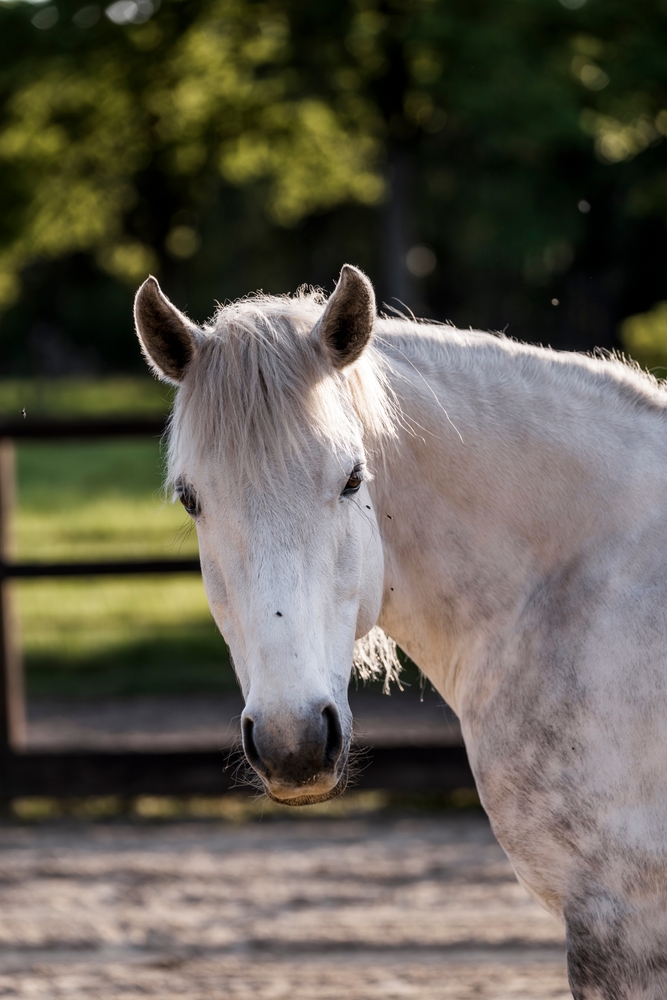

Performance problems in competition horses are consistently treated as training problems first, sometimes for months, before anyone asks whether the cause is physical. These sections explain who belongs in a performance evaluation, what it covers, and what the evidence shows about how often the cause turns out to be medical.
The scenario is common enough that most trainers recognize it immediately: a horse who has all the tools, has been given every opportunity to succeed, and still isn’t delivering at the level training should be producing. Equipment changes haven’t helped. Rider changes haven’t either. The horse isn’t injured in any obvious way. Something is limiting the result, and it isn’t showing up on a standard exam. That is the situation poor performance assessment is specifically designed to address.
A competition horse without structured sports medicine oversight is competing on whatever physical margin it happens to have, with no one tracking how that margin changes over time. These sections explain what sports medicine provides at each stage of a competitive career and what happens to horses that compete without it.
The question is not whether a horse competing at a serious level would benefit from sports medicine oversight. Every horse in sustained, demanding work would. The real question is whether the program around that horse reflects the physical demands being placed on it. A horse being asked to perform at an upper-level competition without a care program built around the specific stresses of that discipline is accumulating load that nothing is monitoring. Sports medicine is what does the monitoring.
Horses with dense competition schedules, frequent travel, or an upward push toward a new competitive level sit at the highest risk for the overuse injuries that sports medicine is built to prevent. Young horses whose physical development hasn’t fully caught up with training ambition need protocols that protect what’s still maturing. Horses with a prior injury history carry different mechanical conditions around the healed site, and those conditions deserve ongoing preventive care attention even when the original injury appears resolved. Horses at the later stage of a competitive career need maintenance programs that protect what’s functioning rather than waiting for something to break down before intervening.
The program is organized around your horse’s actual competition schedule and structural history. Spinal manipulative therapy maintains vertebral alignment that compresses under intensive training over time. Diagnostic imaging provides scheduled monitoring of structures that the horse’s history or discipline flags as higher risk. Objective gait analysis with the Arioneo Vet Equisym System establishes a movement baseline and tracks how it shifts, turning gradual changes into detectable signals before they reach the level of clinical lameness. laboratory & diagnostics monitor the physiological markers that move across training cycles. Every element is timed around competition demands rather than available appointment windows.
Sports medicine runs on a parallel track to training rather than stepping in when training produces a problem. A standard veterinary clinic approach captures a snapshot of the horse at one point in time; sports medicine produces current, ongoing data rather than an emergency picture taken after something has already gone wrong. Shared findings from scheduled monitoring mean your farrier, trainer, and referring veterinarian are all working from the same current picture of the horse rather than from whatever partial information each has collected on their own.
Earlier in a horse’s competitive career produces better baseline data, which produces better early detection capability for everything that follows. For horses already competing without structured preventive health care and sports medicine oversight, the entry point is whatever comes next on the schedule. A pre-season evaluation captures current physical state before competition load intensifies. Mid-season monitoring catches developing issues while the calendar still has time left. Post-season evaluation documents what the year cost structurally and establishes what the off-season needs to address.
The case for specialized sports medicine is most clearly made by the injury data. Research published in the Veterinary Record analyzing orthopaedic injury diagnoses across 1,069 horses found that “there was a significant effect of sport category and level on diagnosis” The injuries a show jumping horse is statistically most likely to develop are different from those of a dressage horse, which differ again from an eventer at the same competitive level. General practice is not organized around those discipline-specific injury profiles. Sports medicine is exactly where that knowledge sits.
The federal government has documented what inadequate oversight of equine lameness costs the industry. USDA APHIS analysis of equine lameness found that “the largest component of these costs, 66 percent, is attributed to lost use of horses”, with each lameness event removing an average of 110 days of competitive use. Competition horses with structured sports medicine oversight catch developing problems earlier, produce fewer extended absences, and compete longer as a result. That outcome is not coincidental. It reflects the difference between tracking a horse’s physical state proactively and finding out what has been building when it finally becomes impossible to ignore.
40+ years of experience. National reputation. Proven clinical and business leadership.



Metamora has really great imaging that they bring right to us. It allows them to follow every lead to fruition. No waiting and no guessing. They also take a very methodical approach to every exam. It’s a process, like building a puzzle, so using diagnostics and technology to collect data reveals another part of the puzzle.
Sarah Ash, Trainer, True Course Farm
Doctor Thaler is incredible at diagnostics. He has the tools, the training, and the experience to solve challenges that other vets really could not. Figuring out lameness can be very subjective. Dr. Thaler uses technology to look for answers and tell him things that the rider can’t, that the horse can’t.
Cindy Petherbridge, Trainer, Huntsover Farms
With Metamora, the horse comes first. They bring urgency and care to every visit. They’re good with the horses – even difficult ones – and then they take the time to talk to the owner or the rider.
The technology has always been the thing that impressed us. Doctor Thaler has the science that backs it up. He has the tools and the techniques, and he’s done the studies and read the latest news. When he makes a suggestion, there are facts behind it, not a guess. He gives you the best of all the options available for whatever we are dealing with.
Rhonda Wille, Owner
It’s easy for vets who see hundreds of horses to quickly turn to solutions that have worked for them before. In contrast, Dr. Thaler is always gaining new knowledge. He has the most modern and best diagnostic equipment, and so he suggests new perspectives and ideas. That’s important to being successful in diagnosing injuries and problems.
For clients serious about performance, Metamora is my go-to. Dr. Thaler is the top sports veterinarian and a partner and resource for diagnosing lameness and other problems, as well as suggesting therapeutic solutions.
Garth Short, Owner, Horseshoeing Incorporated
The communication from Metamora is key. I am always contacting them first with my questions. They’re ability to answer the call and provide service to clients is unmatched, even if that means going the extra mile to accommodate.
Leah Smaller, Professional Rider and Trainer
Doctor Thaler has a problem-solving mindset. There’s no one better at finding an issue. He uses technology and experience to understand the issue.
Jaafar Reza, Trainer, Gross Point Equestrian
There are many different therapeutic applications that promote healing. Dr. Thaler comes in with the science. He’ll study the X-rays and do the diagnostics, then I’ll do the farrier work. We’ve brought horses back from lameness and saved horses that otherwise would be done. He’s 100% onboard to get the horse through it.
This practice defines excellence
Dana Wille, Head Trainer, Equine Odyssey
Sometimes I walk into a barn and know Metamora’s been there because there is a picture drawn of a horse’s leg showing where this injury was. Dr. Thaler is great at explaining complex things very simply.

Our vets in Oxford, MI have been serving the equestrian community here as part of Metamora Equine’s home Oakland County circuit for more than twenty years. Whether the current question is a lameness that hasn’t been properly explained, a performance problem that training hasn’t fixed, or building a structured sports medicine program that protects a career across multiple competitive seasons, Dr. Thaler and Metamora Equine bring that medical care capability to your barn. Call Metamora Equine today at 248.310.5568.
Common questions from Oxford-area clients about scheduling, what the first visit looks like, how we serve northern Oakland County, and what separates this practice from standard equine veterinary care.
Reach Bonnie Thaler directly by phone or through the contact form on the Metamora Equine website. She manages all scheduling and will ask enough about your horse’s situation before the visit that Dr. Thaler arrives prepared. Oxford falls within Metamora Equine’s regular northern Oakland County circuit, so scheduling is straightforward without complicated travel logistics. For urgent care situations involving acute lameness or sudden unexplained changes, call directly so Bonnie can prioritize accordingly rather than placing you in standard availability.
The first thing that happens is a conversation, not an examination. Dr. Thaler asks detailed questions about your horse’s history, what you have observed, what your trainer has flagged, and what the competitive picture has looked like before the physical assessment begins. The examination and any indicated diagnostics follow from there. Before Dr. Thaler leaves, you will have a clear summary of findings, a specific explanation of what they mean for your horse, and a recommended next step. There are no open-ended possibilities left for you to sort out afterward.
Davisburg, where Metamora Equine is based, is just south of Oxford in Oakland County, and we serve Oxford and surrounding areas as part of our regular Michigan circuit. The practice is fully ambulatory: for horse owners who would otherwise transport to an oxford veterinary hospital or veterinary medical facility for specialist care, Dr. Thaler travels to your property instead, bringing digital radiography, ultrasound, and the Arioneo Vet Equisym gait analysis system with him. For cases requiring advanced imaging such as MRI, CT, or nuclear scintigraphy, surgical services, or other referral intervention, Dr. Thaler coordinates with appropriate facilities and stays connected to the case throughout.
Dr. Thaler sends a written findings summary to your primary veterinarian after each visit so everyone involved in your horse’s care is working from the same current information. For horses in ongoing treatment programs, he maintains direct communication with referring vets through the process rather than handing off at the conclusion of a single visit. The role of this practice is to add the veterinary services and sports medicine depth that routine veterinary care isn’t structured to provide, not to replace the veterinary relationship your horse already has.
Part of the answer is the veterinary professionals behind the practice. Board certification through the American College of Veterinary Sports Medicine and Rehabilitation, Fellowship in the College of Animal Chiropractors, and certified membership in the International Society of Equine Locomotor Pathologists represent a depth of specialized training that is genuinely unusual in any setting, and particularly rare in an ambulatory practice. But the more practical answer is that Dr. Thaler has been working on performance horse cases out of Oakland County for more than two decades, and the clinical pattern recognition built from that kind of focused, consistent experience isn’t something credentials alone can replicate. The horses that tend to find this practice are the ones for whom the standard approach has already been tried.

©2026 Metamora Equine. Designed and Managed by ViziSites. Terms of Use. Website Accessibility.