Soundness You Can trust: From The Schooling Ring To The Grand Prix Ring
Schedule a performance-focused gait assessment

Pinning down the cause takes more than an experienced eye. Our vets in Muskegon, MI, take objective technology, a methodical diagnostic process, and a clinician who has spent decades working at the intersection of soundness and athletic performance directly to your barn.
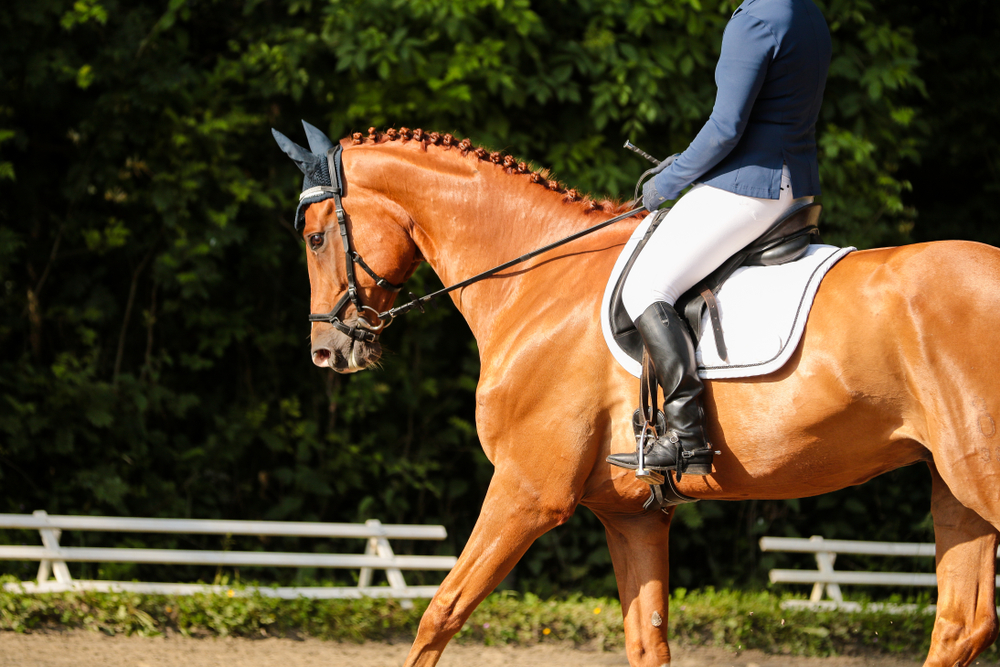
Most performance problems in sport horses don’t announce themselves clearly. They show up as a bad week, a refused fence, a horse that just doesn’t feel right under saddle. Dr. Thaler, VMD DACVSMR, is the equine sports medicine specialist that trainers, riders, and referring veterinarians across West Michigan, Ohio, and the Carolinas call when the answers aren’t obvious.

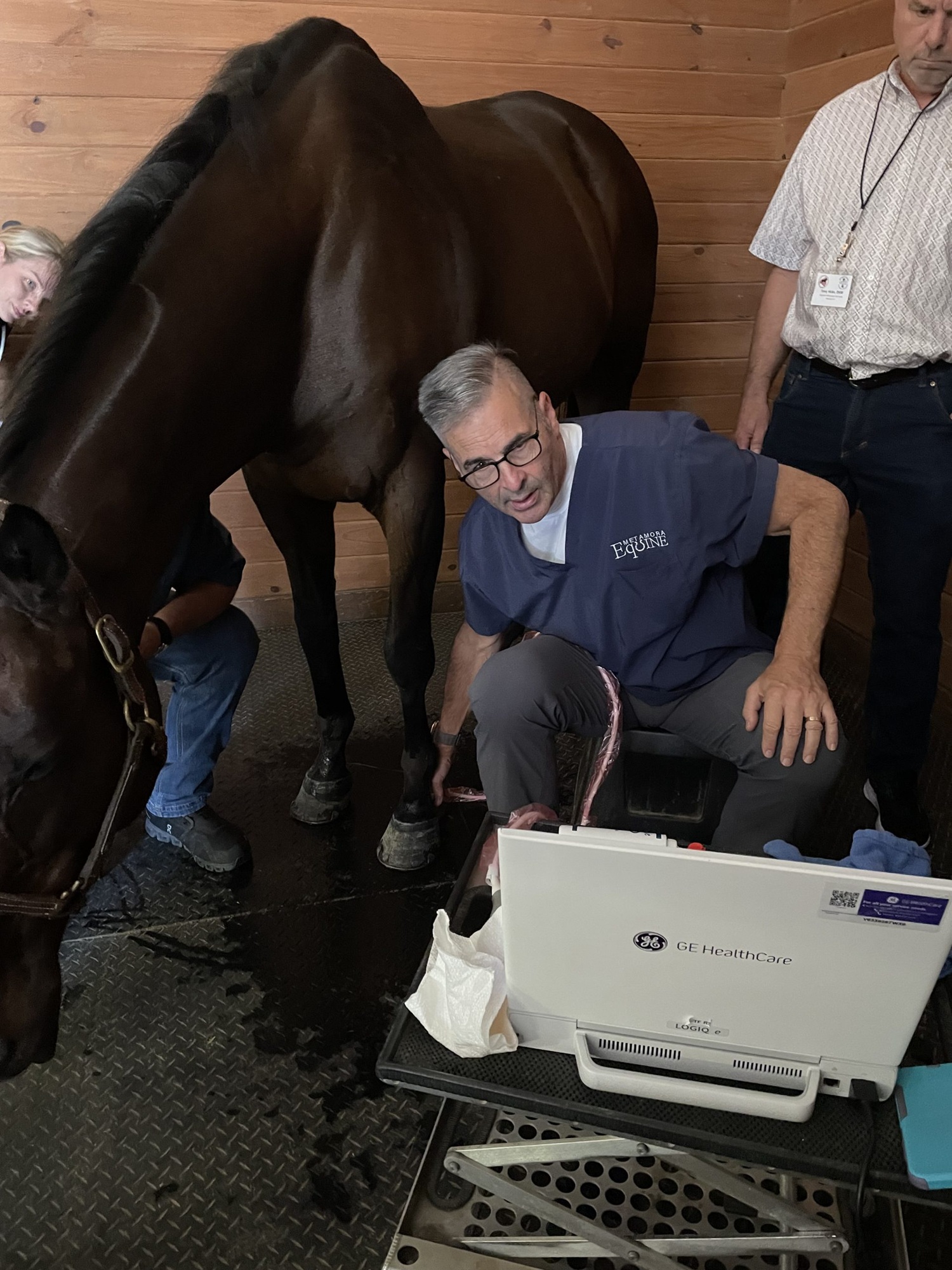
Metamora Equine delivers advanced, performance-focused veterinary care for competition horses, led by Dr. Thaler’s board-certified expertise in equine sports medicine. Every service supports accurate diagnosis, long-term athletic success, and thoughtful treatment.
We provide exceptional care for your equine athlete. Metamora Equine brings evidence-based medical solutions to the stall. We leverage technology and 40 years of experience to deliver health care to your horse.
Comprehensive care: working with your trainer, your farrier and you to provide the optimum performance management for your horse.
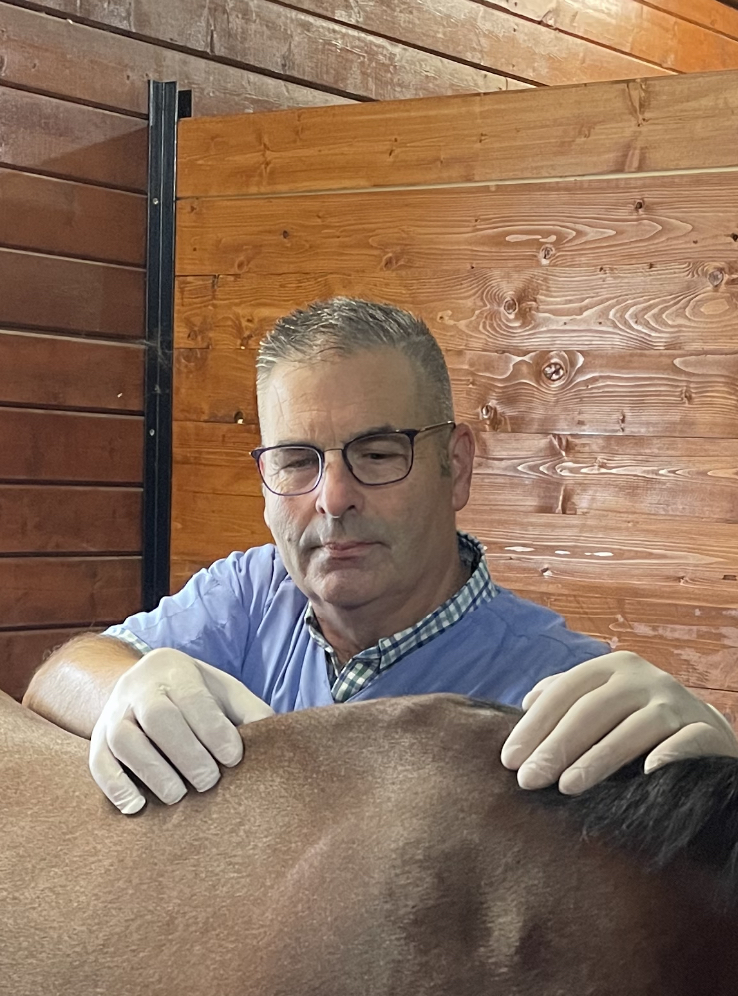
Dr. Thaler is one of a small number of veterinarians in the country who holds board certification from the American College of Veterinary Sports Medicine and Rehabilitation, a distinction earned through advanced clinical training in the diagnosis and management of athletic horses.
A graduate of the University of Pennsylvania School of Veterinary Medicine, Dr. Thaler built his career around one of the most technically demanding areas in equine practice: figuring out why performance horses stop performing. As a Diplomate of the American College of Veterinary Sports Medicine and Rehabilitation, a Fellow of the College of Animal Chiropractors, and a certified member of the International Society of Equine Locomotor Pathologists, he brings credentials that are rare in ambulatory equine medicine. He has served as an adjunct professor at Michigan State University’s College of Veterinary Medicine, sits on multiple industry advisory boards, and has contributed to publications advancing medical practices in equine sports medicine. In the field, he works alongside Bonnie Thaler, a certified veterinary technician who handles client coordination and hands-on evaluation support. Clients describe him as the veterinarian other veterinarians call when a case gets complicated.
Lameness is the most common reason sport horses leave competition, and it’s also the most commonly misread. These sections break down who this service is for, what a thorough evaluation actually involves, and what the research says about the cost of getting the diagnosis wrong.
Not every lameness looks like a lameness. Some horses shift weight at the halt. Others lose rhythm in the canter. Some just stop jumping the way they used to. If something about your horse’s movement has changed and the cause isn’t clear, a structured lameness evaluation is where the answer starts.
The short answer is any horse whose movement or willingness has changed in a way you can’t explain. Hunter/jumper horses that chip distances consistently, dressage horses that brace through lateral work, eventers that have lost their boldness across country. These are lameness presentations that a subjective eye-check at the walk can miss entirely. Horses in active training who have never taken an obvious lame step may still be carrying significant pain. Horses coming back from a confirmed diagnosis also need re-evaluation before returning to full work to confirm recovery, not just absence of visible lameness. If your trainer or rider keeps noting something feels different, that observation deserves a diagnostic workup.
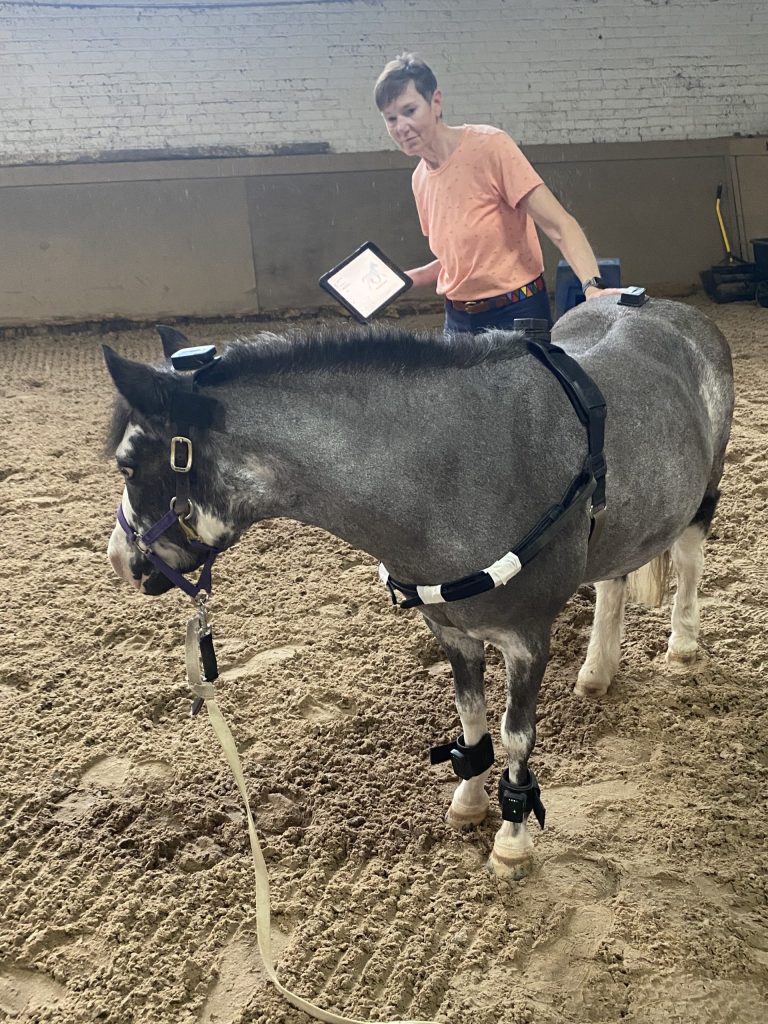
The evaluation builds from observation to localization. We watch your horse move on straight lines and circles, at multiple gaits, on different surfaces, and under saddle when indicated. The Arioneo Vet Equisym System provides quantified, objective gait data that removes the guesswork from low-grade asymmetry detection. From there, diagnostic anesthesia methodically narrows the source of pain, blocking specific structures and nerve regions until movement improves measurably. That diagnostic testing, which includes digital radiography and ultrasound, gives us a detailed view of the structures involved once we know where to look. The result is a diagnosis based on data, not impression.
Think of lameness evaluation as the map. Treatment without it is travel without directions. You may end up somewhere useful, but you’re just as likely to spend time and money managing a compensatory problem while the primary issue keeps progressing. When we know the source, the grade, and the structures involved, every subsequent decision, from injection sites to rehabilitation timelines to competition scheduling, is made with real information. This is also where we distinguish between what’s causing your horse pain and what has developed as a secondary response to that pain, because treating the secondary problem first is one of the most common reasons horses don’t improve.
Earlier than most owners schedule it. A horse that feels slightly off is not a horse that should wait three weeks to see if it resolves. Early detection of low-grade lameness expands your treatment options significantly before the problem has time to compound. Pre-purchase evaluations are an appropriate time to establish a baseline. Pre-season screenings catch developing issues before competition schedules lock in. And horses returning from any significant time off benefit from a structured soundness check before training ramps up, not after they start showing problems again.
The honest answer is that what the eye sees and what is actually happening in your horse’s movement are not always the same. A peer-reviewed study in the Equine Veterinary Journal found that “for horses with mild lameness subjective evaluation of lameness is not very reliable,” with experienced clinicians reaching agreement on which limb was affected only 61.9% of the time for low-grade cases. That statistic matters because the mild cases are the ones most likely to be waved off as a bad week rather than diagnosed and treated. Objective gait analysis removes that uncertainty. It captures movement data the eye cannot process, confirms where the problem is before anesthesia even begins, and gives us a quantified baseline to measure recovery against.
A horse that continues in work with undiagnosed lameness doesn’t stay at baseline. The body compensates. Weight shifts. Stride mechanics change. Structures that were healthy begin absorbing loads they weren’t designed for, and the original problem is joined by new ones. Research published in BMC Veterinary Research confirms that tendon and ligament tissue, once damaged, produces repair material that is “predisposing to recurrence and repeated injury in up to 80% of affected horses,” because the scar tissue replacing healthy collagen lacks the mechanical properties of the original. An injury that could have been identified and managed early becomes a pattern of re-injury that shortens careers and raises costs for years.
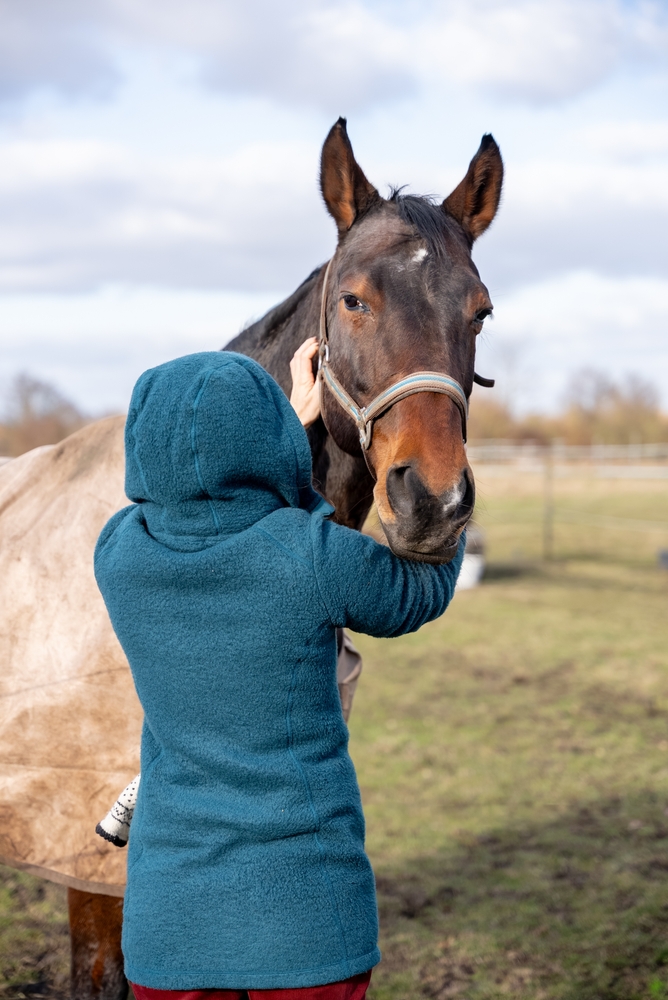

When a horse isn’t right but nobody can find the lameness, that’s not the end of the diagnostic road. It’s where a different kind of evaluation begins. These sections explain how we investigate performance decline across multiple body systems, what this process reveals that a standard workup misses, and why unaddressed performance pain carries consequences well beyond the competition record.
There’s a version of this conversation that happens constantly in barns: the horse looks fine at the trot-up, the regular vet didn’t find anything, but something is still off. The rider feels it. The trainer sees it in the scores. The horse just isn’t there. Poor performance assessment exists precisely for this situation, where the problem is real but not yet visible through a standard examination.
High-level competition horses are not just patients. They’re athletes operating at the edge of their physical capacity, and the medical approach that keeps them sound reflects that reality. These sections cover the specific role sports medicine plays in keeping competition horses healthy, how it works alongside your training program, and what the data shows about what happens without it.
Sport horse medicine starts with a different question than general equine practice does. It doesn’t ask “is this horse sick?” It asks “what is limiting this horse’s ability to perform at the level being asked of it?” That shift in framing changes everything about how evaluation, treatment, preventive care, and long-term maintenance are approached.
Any horse in a demanding training or competition program benefits from sports medicine oversight, but some situations make it particularly important. Horses that compete on a heavy schedule across multiple disciplines or travel frequently to shows accumulate physical load differently than horses in lighter work, and that load needs monitoring. Horses in the early stages of a competitive career need protocols that build strength and adaptability without creating the overuse patterns that lead to breakdown later. Horses returning to competition after an injury, even one that appeared fully resolved, need progressive return-to-work assessment, not just a go-ahead from a general soundness check. And horses in the later years of their competitive lives benefit from routine check-ups and maintenance programs that protect what’s working rather than waiting for the next breakdown to prompt intervention.
We begin every sports medicine relationship by understanding what the horse is doing, what is being asked of them in competition, and where any gaps exist between their current physical state and the demands of their sport. Advanced gait analysis with the Arioneo Vet Equisym System gives us objective movement data as a baseline. Diagnostic imaging, nerve blocks where indicated, and a full structural assessment give us a picture of what is working well, what is working compensatorily, and what needs attention before it becomes a performance or soundness issue. From that baseline, we build a care plan around your competition schedule rather than working around it after the fact.
A sports medicine protocol runs parallel to your training program, not in opposition to it. We work with what the trainer is building, not against it. That means understanding your horse’s weekly and monthly training load, knowing when the high-intensity weeks are, and timing therapeutic interventions so they support performance rather than interrupt it. It also means identifying training modifications that reduce injury risk without reducing fitness. The goal is a horse that reaches peak physical readiness when the competition schedule demands it, not one that arrives at a major show undertrained because a preventable injury cost weeks of work.
The most common answer is earlier than you started it last time. Horses that receive sports medicine oversight from the beginning of a competitive program develop fewer compensatory patterns and recover from minor setbacks more quickly because baseline data exists to measure against. Pre-season is the right time to establish that baseline, confirm readiness for competition demands, and address any developing issues before they’re compounded by a full show schedule. In-season monitoring allows for timely adjustments rather than reactive crisis management. Post-season assessment gives both the horse and the care team the information needed to plan recovery and preparation for the next year.
General equine practice is built for the broad middle of the horse population. Sport horse medicine is built for the edge of it. The gap between those two populations is larger than most people expect. A 2024 study published in PLoS ONE evaluated high-performing competition horses across show jumping, dressage, and eventing using objective motion analysis and found that “70% of the horses were classified as asymmetric,” with more than one-third exhibiting movement irregularities that matched the magnitude seen in horses with confirmed clinical lameness, all of them considered sound by their riders. The tools and training required to find and manage those asymmetries before they become soundness problems aren’t part of routine equine practice. They’re the core of what sports medicine is for.
When sport horses receive conservative care for the musculoskeletal injuries that accumulate over a competitive career, the outcomes reflect that approach. A systematic review published in Stem Cell Research & Therapy reported that sport horses treated through conventional management for tendon and ligament injuries faced “the 44% re-injury rate with conventional treatments,” compared to 18% with advanced regenerative protocols, a gap that represents careers cut short, competition seasons lost, and recovery periods that stretch from months into years. The horses that see those better outcomes are the ones whose care teams identified the problem precisely, treated it with the right intervention, and managed return-to-work with the same rigor applied to the original diagnosis. That’s what sports medicine makes possible.
40+ years of experience. National reputation. Proven clinical and business leadership.


Metamora has really great imaging that they bring right to us. It allows them to follow every lead to fruition. No waiting and no guessing. They also take a very methodical approach to every exam. It’s a process, like building a puzzle, so using diagnostics and technology to collect data reveals another part of the puzzle.
Sarah Ash, Trainer, True Course Farm
Doctor Thaler is incredible at diagnostics. He has the tools, the training, and the experience to solve challenges that other vets really could not. Figuring out lameness can be very subjective. Dr. Thaler uses technology to look for answers and tell him things that the rider can’t, that the horse can’t.
Cindy Petherbridge, Trainer, Huntsover Farms
With Metamora, the horse comes first. They bring urgency and care to every visit. They’re good with the horses – even difficult ones – and then they take the time to talk to the owner or the rider.
The technology has always been the thing that impressed us. Doctor Thaler has the science that backs it up. He has the tools and the techniques, and he’s done the studies and read the latest news. When he makes a suggestion, there are facts behind it, not a guess. He gives you the best of all the options available for whatever we are dealing with.
Rhonda Wille, Owner
It’s easy for vets who see hundreds of horses to quickly turn to solutions that have worked for them before. In contrast, Dr. Thaler is always gaining new knowledge. He has the most modern and best diagnostic equipment, and so he suggests new perspectives and ideas. That’s important to being successful in diagnosing injuries and problems.
For clients serious about performance, Metamora is my go-to. Dr. Thaler is the top sports veterinarian and a partner and resource for diagnosing lameness and other problems, as well as suggesting therapeutic solutions.
Garth Short, Owner, Horseshoeing Incorporated
The communication from Metamora is key. I am always contacting them first with my questions. They’re ability to answer the call and provide service to clients is unmatched, even if that means going the extra mile to accommodate.
Leah Smaller, Professional Rider and Trainer
Doctor Thaler has a problem-solving mindset. There’s no one better at finding an issue. He uses technology and experience to understand the issue.
Jaafar Reza, Trainer, Gross Point Equestrian
There are many different therapeutic applications that promote healing. Dr. Thaler comes in with the science. He’ll study the X-rays and do the diagnostics, then I’ll do the farrier work. We’ve brought horses back from lameness and saved horses that otherwise would be done. He’s 100% onboard to get the horse through it.
This practice defines excellence
Dana Wille, Head Trainer, Equine Odyssey
Sometimes I walk into a barn and know Metamora’s been there because there is a picture drawn of a horse’s leg showing where this injury was. Dr. Thaler is great at explaining complex things very simply.

Soundness problems at the competition level rarely stay small, our vets in Muskegon, MI are here to evaluate them. A gait irregularity that costs a few dressage points in March is a suspensory injury by August if the underlying cause isn’t identified. Whether you are chasing down something that’s been bothering your horse for weeks or building a long-term health services plan around a top competition horse, the professional care and diagnostic capabilities of Metamora Equine are available directly at your barn. Get ahead of your horse’s problems and contact us at 248.310.5568.
Whether you’re scheduling for the first time or planning ongoing sports medicine oversight, here are answers to the questions clients ask most often.
Scheduling runs through Bonnie Thaler, our practice manager and veterinary technician, who coordinates all appointments and will talk through your horse’s history and situation before your visit to make sure we come prepared. You can reach us by phone or through the contact form on our website. Dr. Thaler sees horses across the Muskegon region and throughout Michigan, Ohio, North Carolina, and South Carolina, and Bonnie can work with your location and schedule to find the right time.
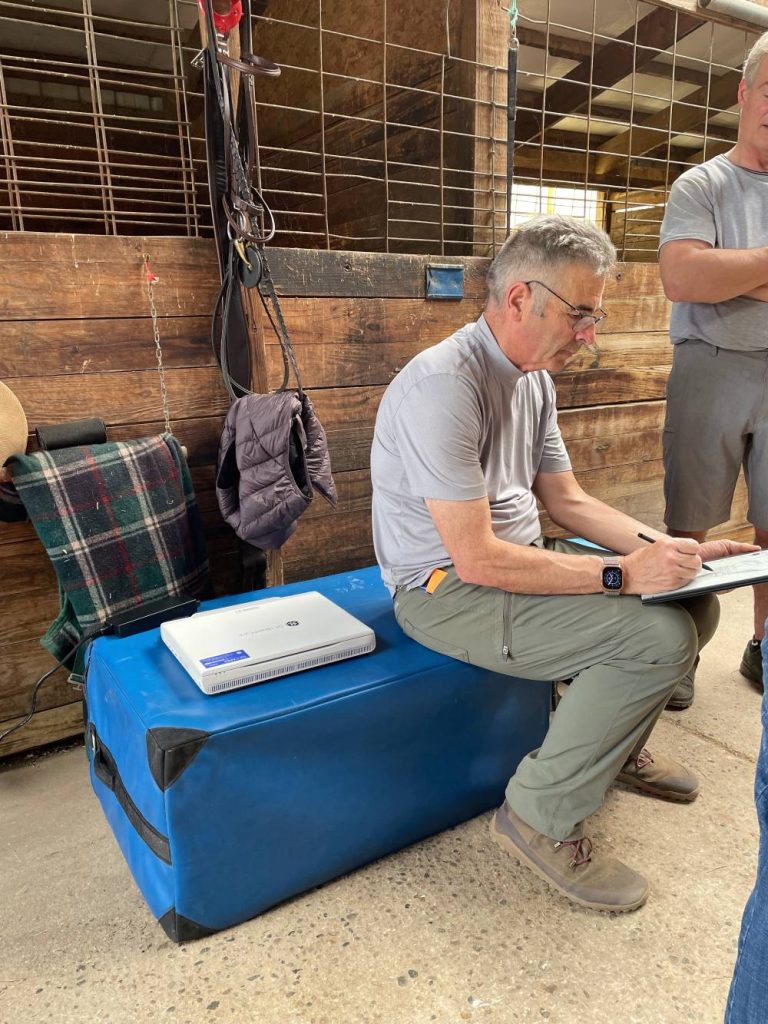
Dr. Thaler spends the first part of every visit in conversation before touching the horse, asking about history, training demands, competition schedule, and what you’ve noticed that brought you to this point. The physical evaluation follows, working through movement observation, palpation, and whatever diagnostics the presentation calls for. If gait analysis, nerve blocks, or other diagnostic testing is warranted, those can often be completed during the same visit. Before Dr. Thaler leaves, you’ll have a clear summary of findings, a working diagnosis or differential, and a recommended next step, not a list of possibilities and a follow-up appointment to find out what any of it means.
Yes. Metamora Equine is a fully ambulatory practice serving horse owners and trainers throughout the Muskegon area and the broader West Michigan region, bringing the diagnostic and treatment capabilities that most clients associate with a specialty clinic directly to your barn. Our mobile setup includes digital radiography, diagnostic ultrasound, and the Arioneo Vet Equisym objective gait analysis system, as well as laboratory access and pharmaceutical inventory to support complete on-site evaluations. For urgent care situations, we prioritize scheduling and can often respond quickly. For cases requiring advanced imaging such as MRI, CT, or nuclear scintigraphy, or where surgical care becomes necessary, we coordinate directly with referral centers and stay involved throughout rather than handing the case off.
The most direct answer is that Dr. Thaler is the veterinarian that other veterinarians refer to when a case doesn’t resolve or doesn’t add up. That reputation exists because this practice is built around the hardest cases in sport horse medicine, not the routine ones. The board certification in sports medicine and rehabilitation, the objective gait analysis technology, and more than four decades of experience with competitive horses across the discipline spectrum combine to produce answers in situations where a general equine practice has run out of options. We also prioritize client education at every step, walking owners, trainers, and riders through findings and the medical practices guiding each recommendation, because the performance context matters as much as the medical one.
We operate as a consulting and referral resource within your horse’s broader care team, not as a replacement for your regular vet. After each evaluation, Dr. Thaler provides a written summary of findings and recommendations that goes directly to your primary veterinarian so records stay complete and care stays coordinated. If the treatment plan involves follow-up that your regular vet can manage locally, we structure our recommendations to make that handoff straightforward. Our role is to provide the diagnostic depth and sports medicine expertise that fills the gap between routine health care and the level of oversight that elite competition horses actually need.

©2026 Metamora Equine. Designed and Managed by ViziSites. Terms of Use. Website Accessibility.