Soundness You Can trust: From The Schooling Ring To The Grand Prix Ring
Schedule a performance-focused gait assessment

Our vets in Detroit deal with competition horses in the area with physical demands that routine veterinary care was never designed to address. When lameness keeps coming back, when performance has quietly dropped over a season, or when you just know something is off and nobody has been able to tell you what, Metamora Equine provides specialized veterinary care for those cases. Dr. Thaler is based out of Davisburg and works directly with Detroit area barns, bringing board-certified sports medicine and the diagnostic technology to find what standard exams miss.

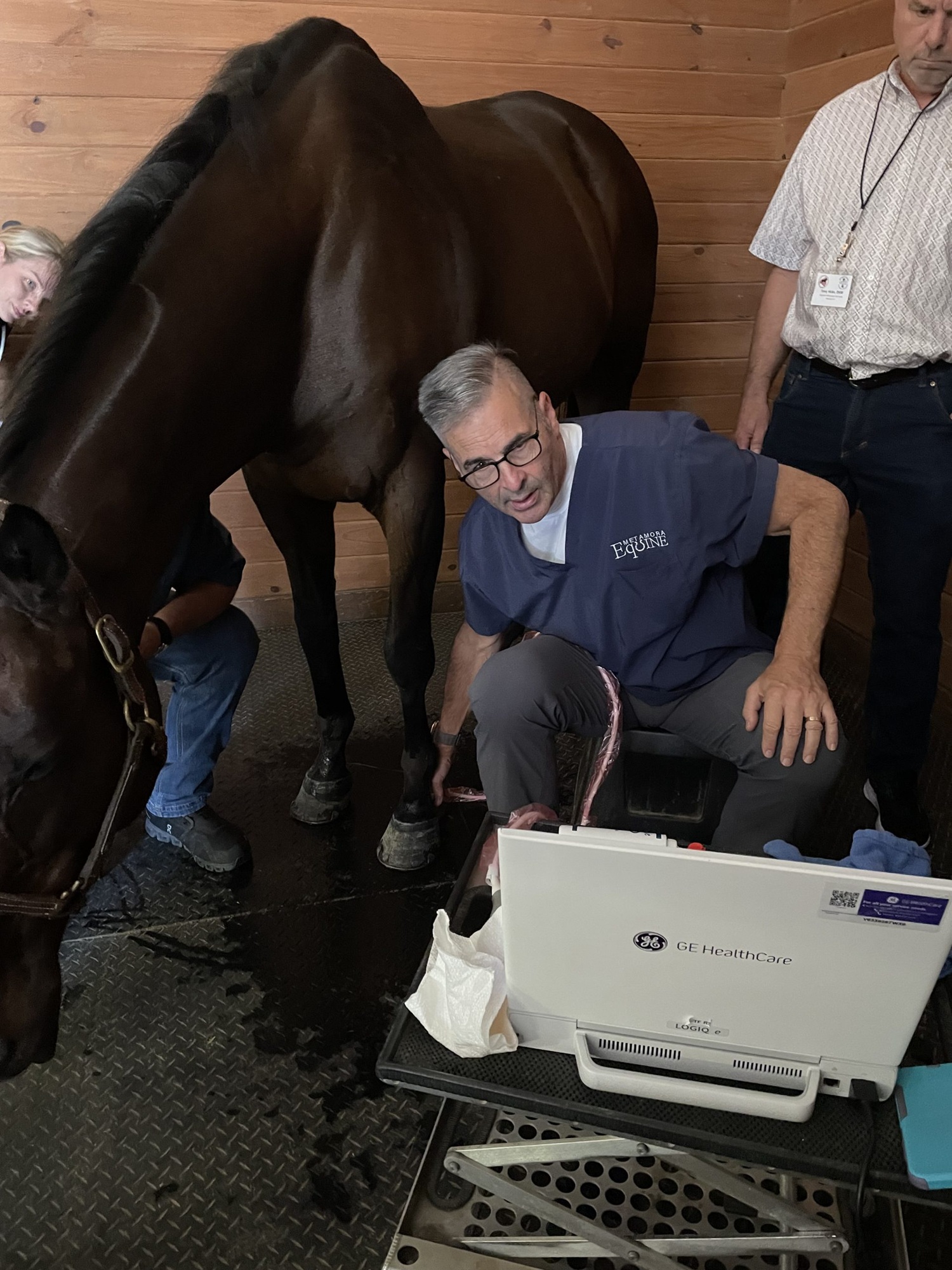
Metamora Equine delivers advanced, performance-focused veterinary care for competition horses, led by Dr. Thaler’s board-certified expertise in equine sports medicine. Every service supports accurate diagnosis, long-term athletic success, and thoughtful treatment.
We provide exceptional care for your equine athlete. Metamora Equine brings evidence-based medical solutions to the stall. We leverage technology and 40 years of experience to deliver health care to your horse.
Comprehensive care: working with your trainer, your farrier and you to provide the optimum performance management for your horse.
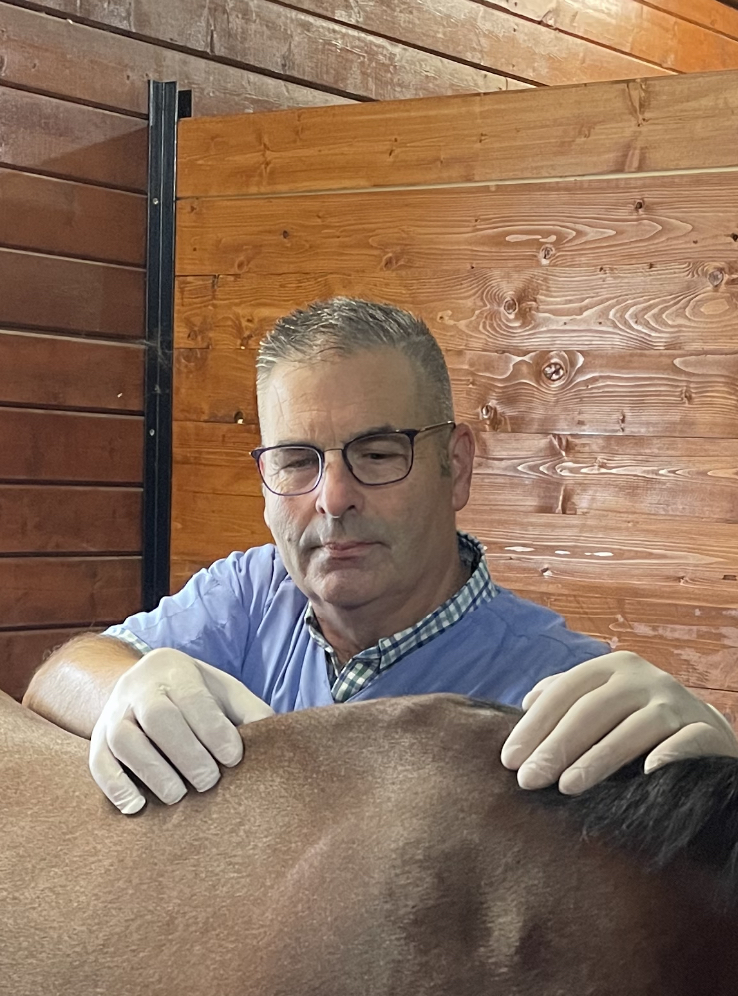
Dr. Thaler, VMD DACVSMR, built his career around the cases that do not have easy answers. As a board-certified Diplomate of the American College of Veterinary Sports Medicine and Rehabilitation, a Fellow of the College of Animal Chiropractors, and a certified member of the International Society of Equine Locomotor Pathologists, he holds credentials spanning sports medicine and preventative medicine that very few equine practitioners in the country can match. Before focusing exclusively on private practice, Dr. Thaler served as an adjunct professor at the Michigan State University College of Veterinary Medicine, putting him in a position to both advance and teach the field. That background shapes how he approaches every case, with the same depth you would expect from a specialist, delivered at your barn rather than a referral clinic.
When a horse has been through the standard lameness workup more than once and still does not have a clear answer, the problem is usually not the horse. It is the limits of what conventional visual examination can detect. Dr. Thaler’s approach combines objective motion data, on-site imaging, and methodical nerve block sequencing to get past those limits.
The frustration of repeat exams with inconclusive results is familiar to a lot of Detroit-area trainers and owners. A horse that is inconsistently lame, or lame only in specific conditions, needs more than a fresh set of eyes. It needs a different kind of evaluation.
Horses that have been cleared multiple times but continue to show gait changes are the clearest candidates. So are horses whose lameness shifts between limbs, appears and disappears with footing changes, or only presents during collected work or at speed. Horses being considered for purchase at any level of competition deserve this depth of evaluation before money changes hands. If your primary care vet has reached the limits of what they can diagnose in the field, a referral to a sports medicine specialist is the logical next step.
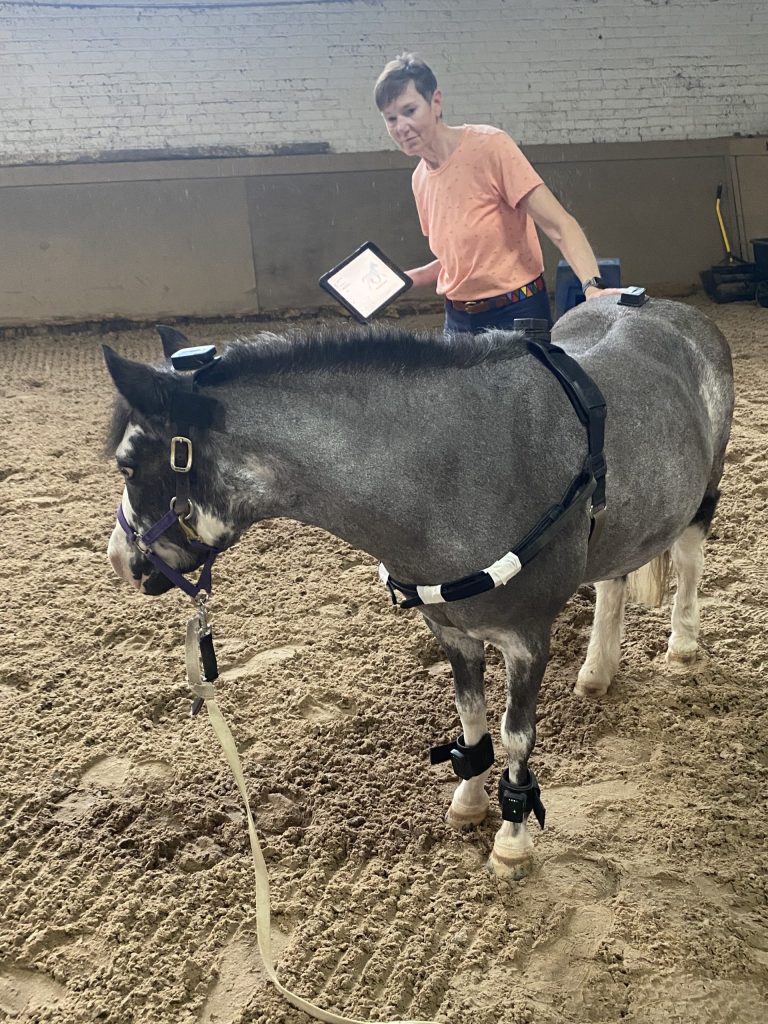
We begin with the Arioneo Vet Equisym System, which generates objective data through diagnostic screenings of head and pelvic movement asymmetry across multiple conditions. That data tells us where to focus before we ever pick up a needle. On-site digital X-ray and ultrasound let us image the structures we suspect without sending your horse anywhere. From there, diagnostic nerve blocks work through the relevant anatomy in sequence for precise pain management, each one narrowing the location of discomfort until we know exactly where it lives. Everything we find gets documented in a written report with supporting images that your trainer, farrier, and primary vet can all reference.
The evaluation becomes the shared reference point for your entire healthcare team. Your farrier stops making adjustments based on guesswork and starts working from confirmed loading data. Your trainer knows which movements create pain and which do not, so conditioning decisions are built around actual anatomy rather than observation. When cases require medical and surgical care beyond what the field setting provides, including soft tissue surgeries or advanced orthopedic procedures, our documentation gives the referring specialist the full picture they need to move forward.
If a horse’s way of going has changed and rest has not fixed it, schedule an evaluation rather than waiting to see what happens next. The same applies before any significant purchase, before stepping up a competition level, and before returning a horse to full work after time off. Technology-based evaluation is not just for obvious cases. A peer-reviewed study found that sensor-derived data should be “more sensitive than those that can be observed via clinical examination,” which means problems that pass a standard visual exam can still register clearly through instrumented analysis. Catching them at that stage costs far less than treating them after they have progressed.
The body’s response to unresolved pain is to redistribute load, and load redistribution has its own consequences. A 2025 dressage horse study following horses through serial orthopaedic examinations found a high proportion of persistent or recurrent injuries in horses with fetlock and joint region injuries, establishing that these conditions do not quietly resolve. They stay, and they spread. A horse that finishes a season with a minor undiagnosed issue often starts the next one with a bigger problem in a different location. The window for early intervention closes quickly.

The horses that are hardest to help are often the ones that look fine. No obvious lameness, no dramatic change in way of going, just a gradual loss of scope or willingness that gets written off as a training gap, attitude, or age. Dr. Thaler’s performance assessment is built specifically for those cases.
Riders and trainers pick up on things before they show up on a trot-up. A horse that used to jump out of the stride now waits. A horse that used to sit and collect now falls on the forehand. These are physical problems presenting as training problems, and no amount of flat work resolves a physical restriction.
There is a point in every competition horse’s career where what the horse needs stops being what a standard veterinary appointment can provide. Dr. Thaler built Metamora Equine around what comes after that point: ongoing preventive care and sports medicine management that keeps athletic horses in the work they were bred for.
The horses that hold up through full competition seasons are not lucky. They have care teams that track how the horse is responding to training load, catch changes early, and address them before they require time off. That kind of management requires a veterinarian oriented toward performance, not just health maintenance.
Horses benefiting from routine preventive care and those in active competition training are both good fits. Hunters and jumpers loading the same forelimb structures over every fence, dressage horses collecting and extending under increasing demands, eventers absorbing the cumulative physical cost of three disciplines at once. The higher the level of competition, the more the horse’s body is being asked to do, and the more closely that body needs to be tracked. Young horses entering serious work for the first time need early baseline data so that changes later in their careers are measurable. Horses with any history of injury need ongoing monitoring to stay ahead of the recurrence patterns that follow competition horses.
Preventive care programs at Metamora Equine are built around your horse’s specific season and discipline. That includes scheduled movement monitoring to track gait changes across training blocks, muscle assessment, dental care, spinal manipulative therapy to maintain alignment and range of motion as workload increases, and preventive imaging when specific structures need watching. Diagnostic anesthesia is available when new areas of concern develop during the season. Dr. Thaler coordinates with your training calendar to time evaluations where they provide the most useful information.
Sports medicine works across the whole care team rather than in parallel with it. When Dr. Thaler finds something at a routine medical check-in, that finding goes to your trainer, your farrier, and your primary vet with enough detail to act on. Treatment decisions are made against the backdrop of your competition calendar, so interventions are timed to cause as little disruption as possible. When a case calls for advanced imaging or surgical consultation, the sports medicine relationship means that handoff comes with detailed documentation rather than a fresh start.
Starting a sports medicine relationship before problems develop is more effective than trying to build one after an injury has occurred. A Queensland racehorse study found that “early identification of horses at increased risk of injury and appropriate intervention could substantially reduce the impact of musculoskeletal injuries,” which holds true across disciplines. Horses coming back from injury need sports medicine confirmation of complete recovery before competition loads are restored. Horses preparing to move up a level benefit from an assessment of whether their body is ready for the step.
The consequences of unmanaged athletic loading do not appear gradually. They appear suddenly, after months of silent accumulation. Tendon injury research examining outcomes in competition horses found that less than 50% of horses will return to racing after a tendon injury, and 56% of those that do return sustain re-injury. Those numbers reflect what happens when problems that could have been caught early are not, and horses keep competing through damage that is already done. Sports medicine does not guarantee soundness. It improves the odds that a career-ending injury never gets the chance to develop.
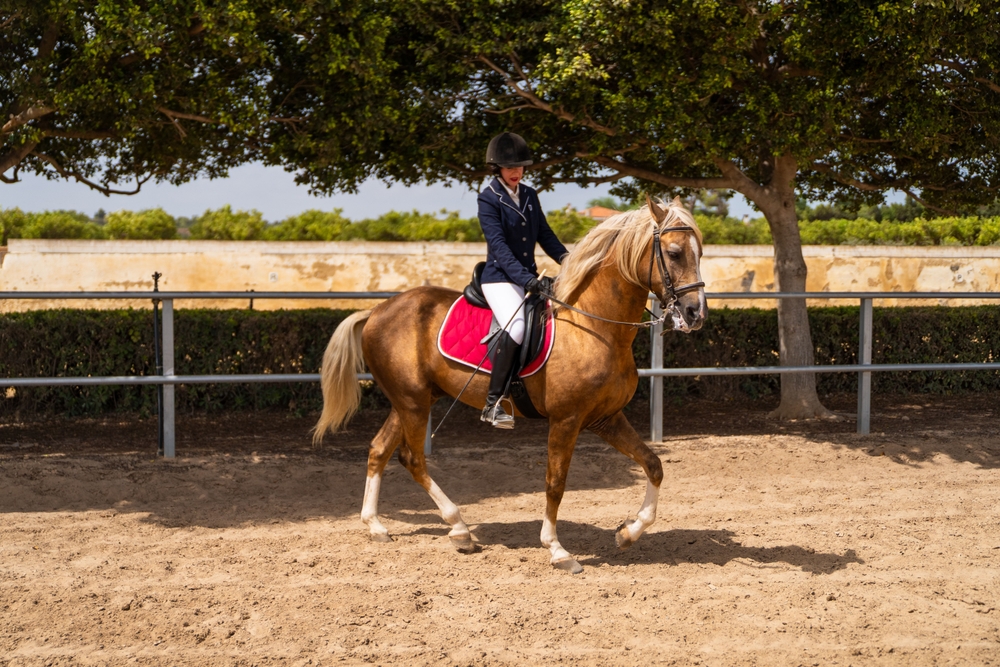
40+ years of experience. National reputation. Proven clinical and business leadership.




Metamora has really great imaging that they bring right to us. It allows them to follow every lead to fruition. No waiting and no guessing. They also take a very methodical approach to every exam. It’s a process, like building a puzzle, so using diagnostics and technology to collect data reveals another part of the puzzle.
Sarah Ash, Trainer, True Course Farm
Doctor Thaler is incredible at diagnostics. He has the tools, the training, and the experience to solve challenges that other vets really could not. Figuring out lameness can be very subjective. Dr. Thaler uses technology to look for answers and tell him things that the rider can’t, that the horse can’t.
Cindy Petherbridge, Trainer, Huntsover Farms
With Metamora, the horse comes first. They bring urgency and care to every visit. They’re good with the horses – even difficult ones – and then they take the time to talk to the owner or the rider.
The technology has always been the thing that impressed us. Doctor Thaler has the science that backs it up. He has the tools and the techniques, and he’s done the studies and read the latest news. When he makes a suggestion, there are facts behind it, not a guess. He gives you the best of all the options available for whatever we are dealing with.
Rhonda Wille, Owner
It’s easy for vets who see hundreds of horses to quickly turn to solutions that have worked for them before. In contrast, Dr. Thaler is always gaining new knowledge. He has the most modern and best diagnostic equipment, and so he suggests new perspectives and ideas. That’s important to being successful in diagnosing injuries and problems.
For clients serious about performance, Metamora is my go-to. Dr. Thaler is the top sports veterinarian and a partner and resource for diagnosing lameness and other problems, as well as suggesting therapeutic solutions.
Garth Short, Owner, Horseshoeing Incorporated
The communication from Metamora is key. I am always contacting them first with my questions. They’re ability to answer the call and provide service to clients is unmatched, even if that means going the extra mile to accommodate.
Leah Smaller, Professional Rider and Trainer
Doctor Thaler has a problem-solving mindset. There’s no one better at finding an issue. He uses technology and experience to understand the issue.
Jaafar Reza, Trainer, Gross Point Equestrian
There are many different therapeutic applications that promote healing. Dr. Thaler comes in with the science. He’ll study the X-rays and do the diagnostics, then I’ll do the farrier work. We’ve brought horses back from lameness and saved horses that otherwise would be done. He’s 100% onboard to get the horse through it.
This practice defines excellence
Dana Wille, Head Trainer, Equine Odyssey
Sometimes I walk into a barn and know Metamora’s been there because there is a picture drawn of a horse’s leg showing where this injury was. Dr. Thaler is great at explaining complex things very simply.

Metamora Equine is based out of Davisburg and provides vet services to Detroit and surrounding areas on a regular circuit. Whether your horse needs a single evaluation or a season-long sports medicine program, Dr. Thaler comes to your barn with the equipment to do the work properly. Reach out at 248.310.5568 to schedule an appointment and find out what your horse’s body is actually telling you.
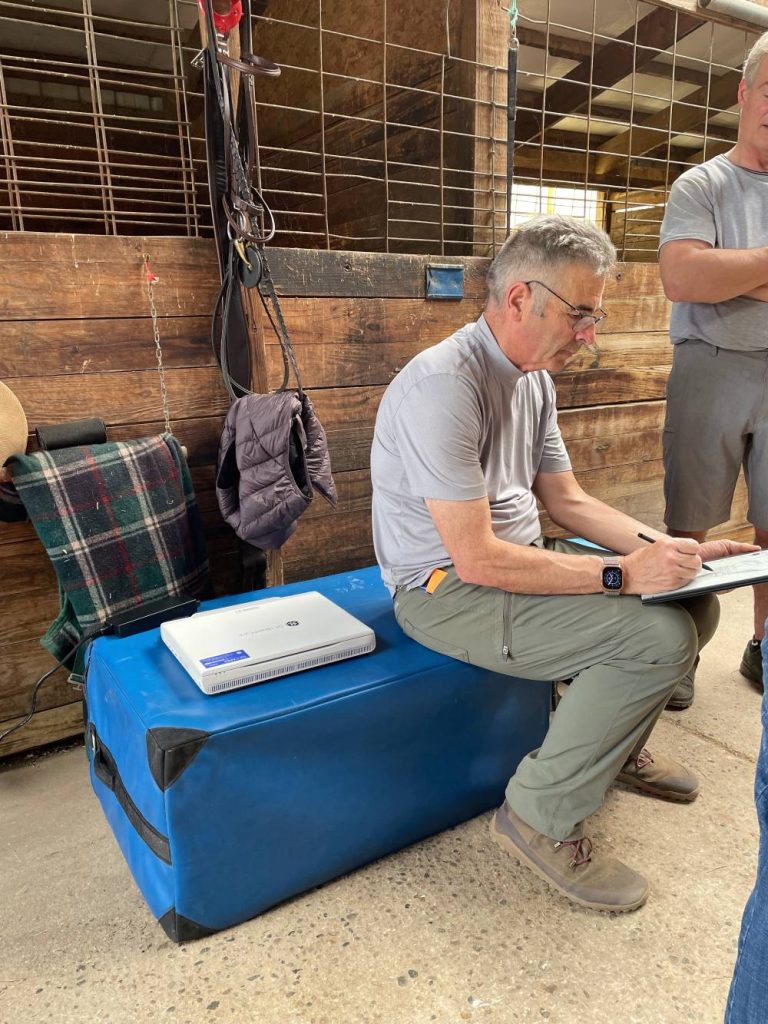
If you are new to Metamora Equine, here is what to expect before your first appointment.
Bonnie Thaler handles all scheduling and is your first point of contact. You can reach the practice by phone or through the appointment request form on the website. When you call, having a brief summary of your horse’s history and current concern helps Bonnie make sure Dr. Thaler arrives with the right equipment and enough time set aside for your case. Scheduling ahead of time is strongly recommended since the appointment calendar fills quickly.
Dr. Thaler will want to hear everything before he starts the evaluation, not just the presenting complaint but the horse’s full history, what has been tried, and what your goals are. The initial exam and movement evaluation follow from there, and the diagnostic path is built in real time based on what he finds. Most first visits run two to four hours. By the end, you will have a clear explanation of the findings and a specific plan rather than a list of possibilities to consider.
Yes. Every visit is ambulatory. Dr. Thaler brings diagnostic imaging, the Arioneo Vet Equisym gait analysis system, and the equipment needed for nerve blocks and other procedures directly to your location. There is no trailering required and no clinical setting. The evaluation happens in your horse’s own physical environment, which also tends to produce better diagnostic data.
Metamora Equine’s base is in Davisburg, Michigan, and the practice serves the Northwest and Northeast Detroit. The practice also travels regularly to competition venues throughout the Midwest and maintains a client base extending into Ohio and the Carolinas. If you are unsure whether your location falls within the regular service area, contact us directly and we can work through scheduling options.
Our primary focus is scheduled sports medicine and lameness evaluations, but genuine urgent care needs get our attention. If your horse has an acute lameness issue that cannot wait, call us directly and we will work out what is possible given our location and schedule. For situations requiring immediate emergency treatment, your nearest equine emergency hospital should be your first call, and we are happy to coordinate care from our end.
Have your horse clean and easy to access from a safe area that allows unrestricted movement at the walk and trot. Bring any previous diagnostic records, veterinary reports, or imaging from prior workups so Dr. Thaler has a full picture before he begins. Someone who knows the horse well and has been present for the problem behaviors should be available for the evaluation. Leave space for vehicle parking and equipment setup near the barn.

©2026 Metamora Equine. Designed and Managed by ViziSites. Terms of Use. Website Accessibility.