Soundness You Can trust: From The Schooling Ring To The Grand Prix Ring
Schedule a performance-focused gait assessment

When a competition horse anywhere in Battle Creek or southwest Michigan stops performing at their usual level, our vets in Battle Creek, Michigan are here to help. Some horses decline gradually; others seem fine one month and are clearly not themselves the next. Metamora Equine brings board-certified equine sports medicine and advanced diagnostic services directly to your barn to find the root cause.

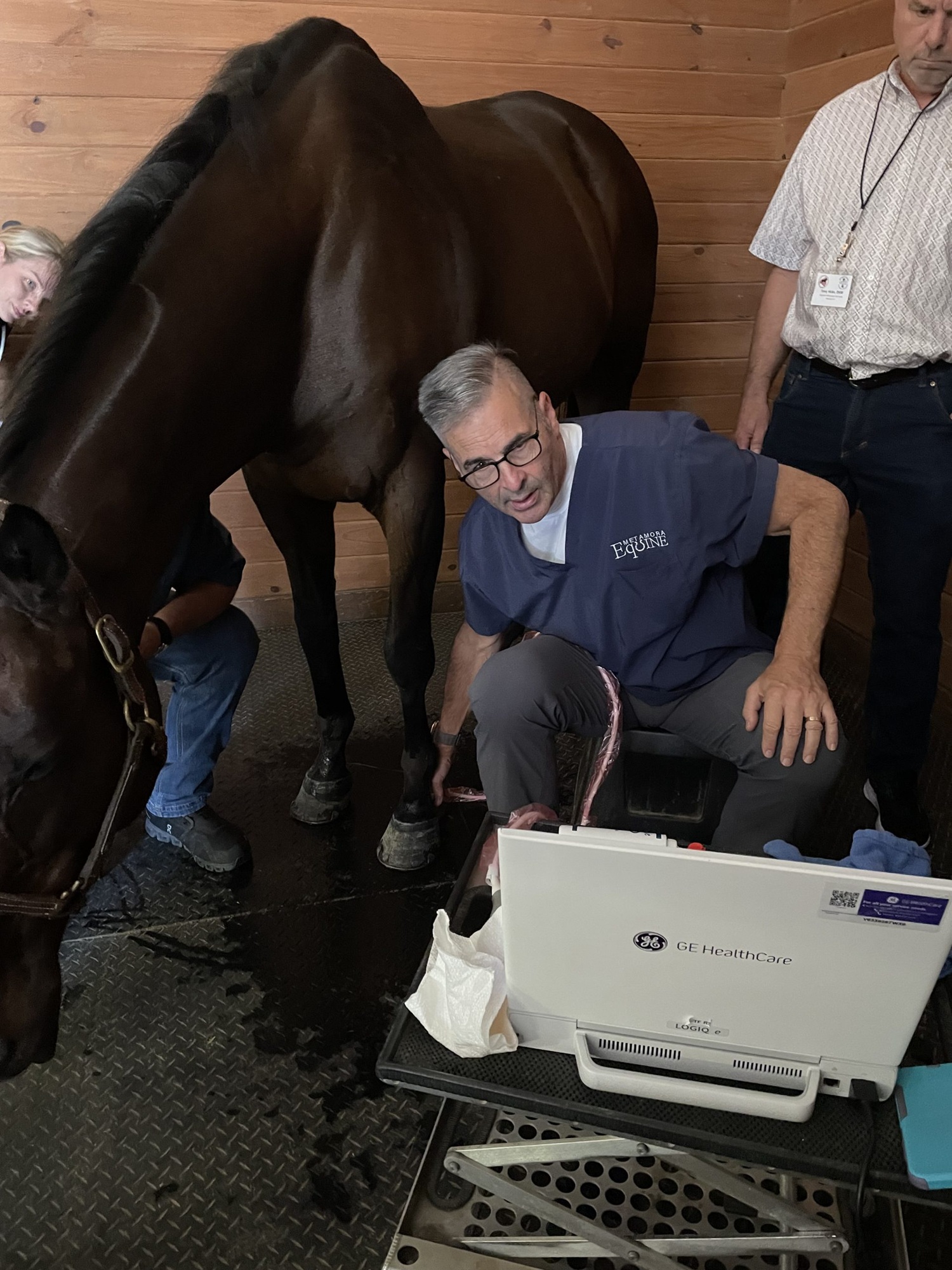
Metamora Equine delivers advanced, performance-focused veterinary care for competition horses, led by Dr. Thaler’s board-certified expertise in equine sports medicine. Every service supports accurate diagnosis, long-term athletic success, and thoughtful treatment.
We provide exceptional care for your equine athlete. Metamora Equine brings evidence-based medical solutions to the stall. We leverage technology and 40 years of experience to deliver health care to your horse.
Comprehensive care: working with your trainer, your farrier and you to provide the optimum performance management for your horse.
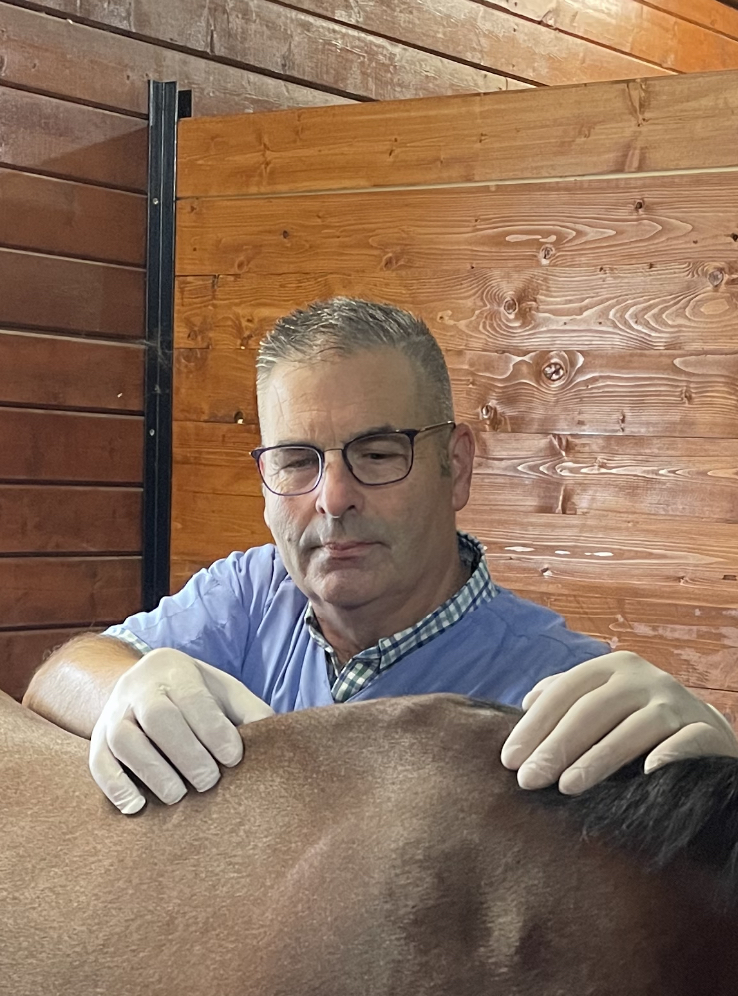
When a horse has seen multiple dedicated veterinarians without a clear diagnosis, the call often ends up coming to Dr. Thaler. As one of only a handful of equine practitioners nationally who hold board certification through the American College of Veterinary Sports Medicine and Rehabilitation (DACVSMR), he brings a level of diagnostic precision to lameness and performance cases that most practices in veterinary medicine simply cannot match. A graduate of the University of Pennsylvania School of Veterinary Medicine and a former adjunct professor at Michigan State University’s College of Veterinary Medicine, Dr. Thaler has spent more than 40 years developing a clinical eye that comes from working exclusively at the intersection of veterinary medicine and athletic performance. His additional credentials include Fellowship in the College of Animal Chiropractors and certification with the International Society of Equine Locomotor Pathologists (ISELP). The loyal clientele he has built across Michigan and beyond is a direct result of what compassionate treatment and thorough diagnostics actually produce.
Every lameness case that reaches us has usually been seen by someone else first. Our job is to find what that evaluation missed. That is not a criticism of equine general practice medicine. It is an honest reflection of the difference between standard veterinary clinic tools and a diagnostic process built specifically for horses whose careers depend on getting the answer right.
If a previous evaluation came back inconclusive, if your horse was cleared but something still feels off, or if you’re watching a performance decline that no one has fully explained, the evaluation that was missing from that process is the one we do. Board-certified sports medicine diagnostics exist precisely for cases that routine check-ups don’t resolve.
Horses do not announce lameness on a schedule that fits a standard appointment. Some show it only on specific footing, some only under saddle at certain gaits, and some only after extended work when they are tired and can no longer compensate effectively. If your horse shows shortened stride, resistance to specific rein contact, difficulty maintaining straightness, or a quiet but persistent change in attitude toward work, these are worth evaluating regardless of whether a previous exam found anything. Horses returning from injury who passed a clearance exam but have not felt quite right since are also strong candidates, as are young horses whose early training has hit an unexplained wall.
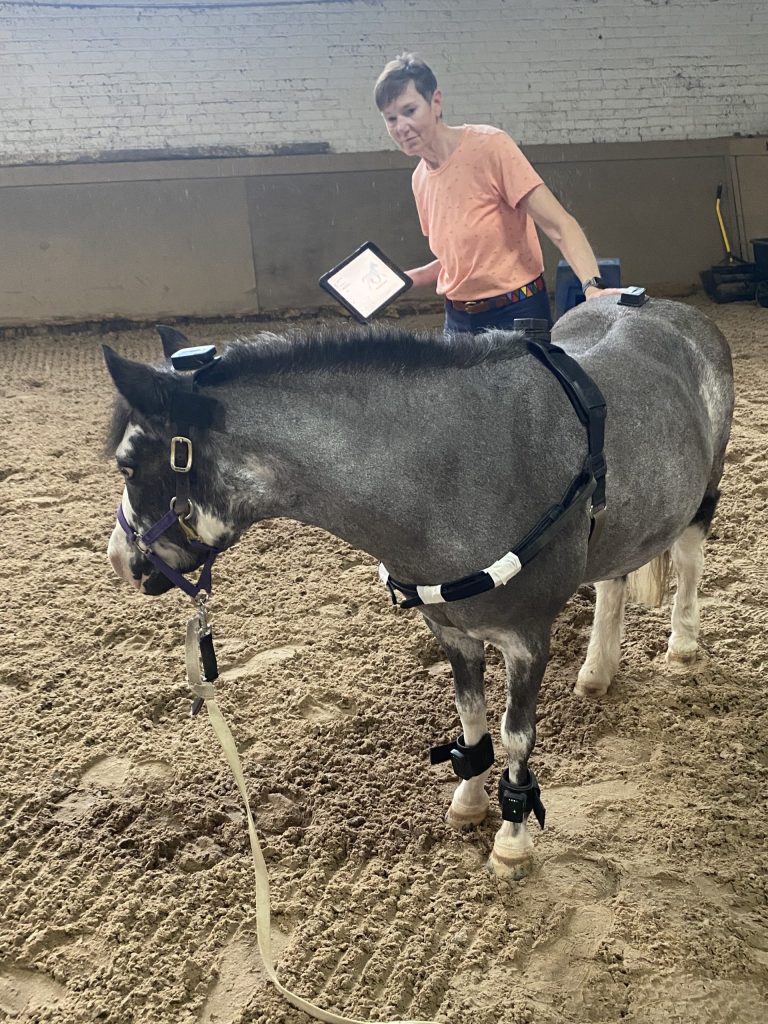
We start with a detailed clinical history and watch your horse move across conditions and gaits, on straight lines and circles, on multiple surfaces. The Arioneo Vet Equisym System measures movement asymmetry with quantifiable precision, removing the subjectivity that makes subtle lameness easy to miss in a standard visual assessment. Diagnostic anesthesia blocks identify the exact source of pain rather than treating the area of concern broadly. In-field digital radiography and ultrasound give us a direct look at bone, joints, and soft tissue. Muscle assessment maps where the body has been compensating and for how long, which often tells us more about the history of the problem than the primary lameness site itself.
A diagnosis is not just the start of treatment. It is the thing that makes every other decision make sense. Your farrier cannot make informed adjustments without knowing which structures are involved. Your trainer cannot modify work programs without knowing which movements are loading the problem. Your regular veterinarian cannot make good treatment recommendations without a documented clinical picture. What we produce from a lameness evaluation is not just a finding. It is a clear picture everyone on your horse’s care team can actually work from.
The answer in almost every case is sooner than it happened. Horses compensate for pain in ways that look like training problems, attitude issues, or inconsistency, which means the average horse is dealing with a developing lameness for months before it becomes obvious enough to prompt a vet call. Schedule evaluation when something changes: a new resistance under saddle, a gait difference that appears and does not resolve, a performance drop that training adjustments have not fixed, or a behavior shift that started around the same time as a management or competition schedule change.
The limitation of visual lameness assessment is not about who is doing the looking. A study published in the Equine Veterinary Journal 2016 asked 86 experienced veterinarians to identify lameness in horses during lungeing using visual assessment alone. Even among the most experienced clinicians, agreement was poor overall and broke down almost entirely for hindlimb lameness. The authors noted this variation “is likely to influence the accuracy and repeatability of lameness examinations and, indirectly, the efficacy of treatment.” Objective gait analysis and diagnostic anesthesia exist to close that gap. That is what our evaluation provides.
A horse competing through undiagnosed lameness is not maintaining their condition. They are building a history of compensatory damage on top of a primary injury, and each month without an accurate diagnosis narrows the treatment options available. Research published in the Veterinary Record 2010 found that 60.7% of horses with foot pain treated conservatively “failed to return to previous level of exercise due to persistent or recurrent lameness,” with horses presenting concurrent multi-structure lesions facing the worst outcomes of all. These are the cases where the window for targeted, effective treatment had already closed by the time the full picture was visible.

At some point in every declining performance horse’s story, someone suggests working harder. More flatwork, stricter conditioning, a new trainer. The reality is that most unexplained performance drops are physical, and no training program fixes a problem that has not been medically identified yet.
The gap between what a horse is doing and what their training history says they should be doing is clinical information. It points to something happening inside the horse that a standard examination is not built to find, and it tends to widen the longer it goes unaddressed.
Competition seasons accumulate. One demanding year leaves residue that the next season starts on top of, and horses that looked fine going into the off-season sometimes begin the following spring already behind. Sports medicine combines preventative medicine and targeted treatment to manage that accumulation before it becomes an injury, not after.
The difference between horses that sustain long competitive careers and those that do not is rarely talent or training quality alone. It is the level of monitoring, intervention, and recovery management applied between competitions. Sports medicine provides that layer for horses whose careers are worth protecting.
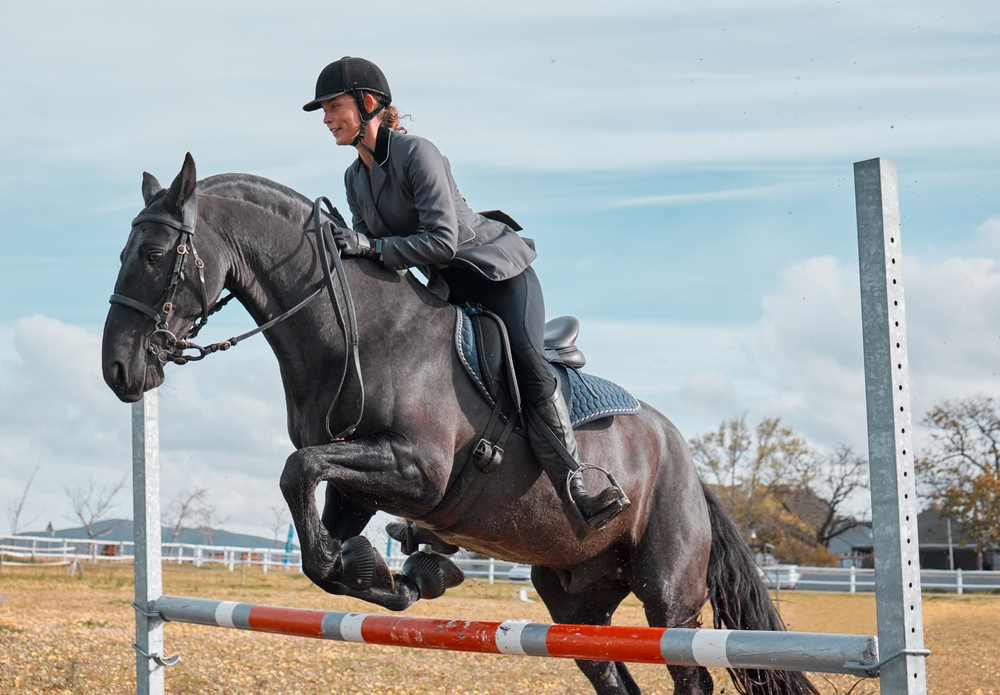
Any horse with a regular competition schedule belongs in a sports medicine program. The demands of hunter/jumper, dressage, and eventing each create specific physical stress patterns that standard urgent care visits and annual wellness checks were not designed to track. Young horses entering competitive training have the most to gain from early sports medicine evaluation because problems caught in the first competitive season are far easier to manage than the same problems after years of compensation. Horses mid-career in demanding programs need regular checkpoints to stay ahead of what the schedule builds up. Veteran athletes managing the cumulative effects of long careers need an approach that adapts to where they are now, not where they were at their peak.
Dr. Thaler works as an animal veterinarian whose entire focus is the competition horse. Spinal manipulative therapy (SMT) addresses restrictions in the back and pelvis that reduce stride quality and comfort under saddle. In-field digital radiography and ultrasound are performed as part of most evaluations, giving us a direct look at structures commonly involved in sport horse injuries before they become obvious clinical problems. Cases that need advanced imaging beyond what field equipment can provide, such as MRI, CT, or nuclear scintigraphy, are coordinated as referrals to a veterinary hospital or specialist imaging center. Muscle assessment, gait analysis, and spinal examination are built into a single visit rather than scheduled as separate appointments, so your horse’s full physical picture is assembled in one session.
Sports medicine sits between your horse’s training program and their health program and makes both work better. Training is more effective when physical limitations are found and addressed before they change what the horse can do. Health management is more useful when a sports medicine record tracks changes across seasons rather than only documenting acute problems. Our ambulatory veterinary services come to your facility, fit around your competition schedule, and produce a running health record across years. That record is exactly what you need when you face a treatment decision and want to understand how the horse got to the current point.
Before problems appear. Starting sports medicine care when a horse enters serious competitive training gives us a baseline to compare against and catches developing issues while treatment is still straightforward. Regular evaluations at the start of each season, after periods of intensive competition, and at the end of the season give you the most complete monitoring picture. Moving to a higher level of competition, changing disciplines, or returning from a significant injury are each worth a dedicated sports medicine evaluation to confirm the horse is physically ready for what comes next.
The gap between general veterinary care and sports medicine is not about the quality of the veterinarian. It is about the tools, the focus, and the timing. Sports medicine catches conditions before they are obvious enough to affect competition, using interventions that standard practice does not routinely provide. A review published in Vet Clin Equine Practice 2022 found a growing body of evidence supporting the use of spinal mobilization and manipulation in equine practice, with studies measuring outcomes across joint motion, pain response, muscle tone, and performance. These are areas that general practice does not monitor and that standard veterinary care does not address. The standard of care for serious competition horses now includes this level of ongoing intervention, and horses that receive it tend to come out of demanding seasons in better physical shape than those that do not.
The most common pattern in horses referred to us after an athletic injury is a problem that could have been straightforward but became complicated because the initial treatment did not account for the demands of returning to athletic work. Research published in Vet Clin Equine Practice 2018 found that when tendon and ligament injuries in sport horses are not managed with appropriate specialized rehabilitation, “lesions tend to fill with biomechanically inferior fibrous tissue such that the horse is prone to reinjury.” That is the direct cost of inadequate sports medicine care: tissue that heals with less mechanical integrity, and a horse that comes back to work structurally more vulnerable than before the injury. The same research identifies a tailored rehabilitation program as “key to returning horses to athleticism following injury,” meaning the difference between proper sports medicine care and basic treatment is not marginal. It determines whether the horse comes back to their previous level or not.
40+ years of experience. National reputation. Proven clinical and business leadership.



Metamora has really great imaging that they bring right to us. It allows them to follow every lead to fruition. No waiting and no guessing. They also take a very methodical approach to every exam. It’s a process, like building a puzzle, so using diagnostics and technology to collect data reveals another part of the puzzle.
Sarah Ash, Trainer, True Course Farm
Doctor Thaler is incredible at diagnostics. He has the tools, the training, and the experience to solve challenges that other vets really could not. Figuring out lameness can be very subjective. Dr. Thaler uses technology to look for answers and tell him things that the rider can’t, that the horse can’t.
Cindy Petherbridge, Trainer, Huntsover Farms
With Metamora, the horse comes first. They bring urgency and care to every visit. They’re good with the horses – even difficult ones – and then they take the time to talk to the owner or the rider.
The technology has always been the thing that impressed us. Doctor Thaler has the science that backs it up. He has the tools and the techniques, and he’s done the studies and read the latest news. When he makes a suggestion, there are facts behind it, not a guess. He gives you the best of all the options available for whatever we are dealing with.
Rhonda Wille, Owner
It’s easy for vets who see hundreds of horses to quickly turn to solutions that have worked for them before. In contrast, Dr. Thaler is always gaining new knowledge. He has the most modern and best diagnostic equipment, and so he suggests new perspectives and ideas. That’s important to being successful in diagnosing injuries and problems.
For clients serious about performance, Metamora is my go-to. Dr. Thaler is the top sports veterinarian and a partner and resource for diagnosing lameness and other problems, as well as suggesting therapeutic solutions.
Garth Short, Owner, Horseshoeing Incorporated
The communication from Metamora is key. I am always contacting them first with my questions. They’re ability to answer the call and provide service to clients is unmatched, even if that means going the extra mile to accommodate.
Leah Smaller, Professional Rider and Trainer
Doctor Thaler has a problem-solving mindset. There’s no one better at finding an issue. He uses technology and experience to understand the issue.
Jaafar Reza, Trainer, Gross Point Equestrian
There are many different therapeutic applications that promote healing. Dr. Thaler comes in with the science. He’ll study the X-rays and do the diagnostics, then I’ll do the farrier work. We’ve brought horses back from lameness and saved horses that otherwise would be done. He’s 100% onboard to get the horse through it.
This practice defines excellence
Dana Wille, Head Trainer, Equine Odyssey
Sometimes I walk into a barn and know Metamora’s been there because there is a picture drawn of a horse’s leg showing where this injury was. Dr. Thaler is great at explaining complex things very simply.

If your horse has a problem that hasn’t been fully diagnosed, a performance drop that training hasn’t explained, or an injury that keeps coming back, our vets in Battle Creek, Michigan, bring board-certified equine sports medicine directly to your barn. Call us at 248.310.5568 to schedule an evaluation and find out what has been getting missed.
New to Metamora Equine or reaching out from the Battle Creek area for the first time? Here is what to know about how we work before you call.
Bonnie Thaler, our practice manager and veterinary technician, manages all scheduling and is your first point of contact. Reach out directly and Bonnie will talk through your horse’s situation, explain what to expect from a visit, and find an appointment time that fits your facility and your horse’s level of urgency. We cover the Battle Creek, Michigan area as part of our regular service routes. Urgent care appointments can often be arranged within 24 to 48 hours when the case calls for it.
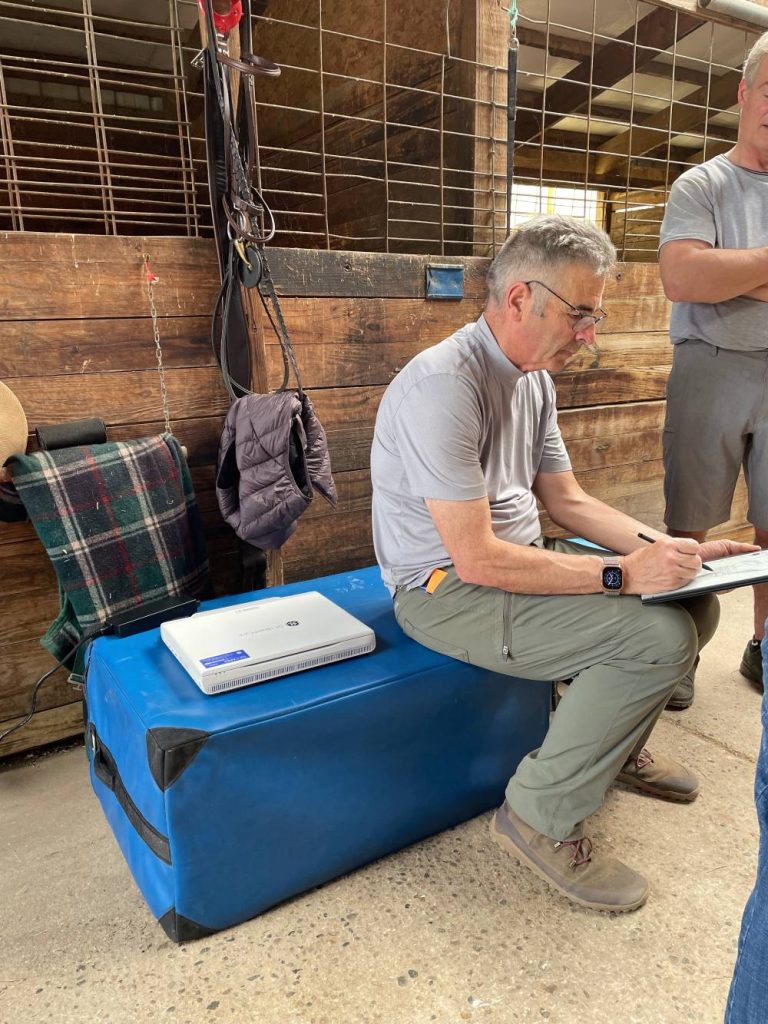
Dr. Thaler conducts every evaluation personally, starting with a detailed conversation about your horse’s history, what changes you have noticed, and what has already been tried. Physical examination and movement assessment follow, with any diagnostic procedures the case warrants built into the same visit. Most evaluations take two to three hours depending on complexity. You leave with findings explained directly by Dr. Thaler and a written report before he goes.
Board certification through the American College of Veterinary Sports Medicine and Rehabilitation is the highest specialty credential in this field of veterinary medicine. Combined with Fellowship in the College of Animal Chiropractors, ISELP certification, and more than four decades of case experience, it is what makes the difference for horses that have already been seen by other practitioners without resolution. Our practice also carries advanced field diagnostic equipment that most ambulatory vets do not, which expands what is possible to find and treat at your barn.
Have your horse clean and comfortable on the day of the visit, with recent farrier work noted. Gather your horse’s medical history, any records from previous evaluations, and competition results from the past year so Dr. Thaler can see the full timeline of the issue. Have a current medication and supplement list available. Prepare a safe area with good footing for trotting and lungeing. Bonnie Thaler can walk you through any case-specific preparation when you schedule.
Dr. Thaler walks through findings and treatment options with you directly before leaving. We coordinate with your regular veterinarian, trainer, and farrier so the full care team is working from the same clinical picture. Bonnie Thaler handles all follow-up scheduling and communication, and Dr. Thaler stays reachable between visits for questions that come up as the treatment plan moves forward. Long-term monitoring, preventive planning, and seasonal reassessment are all part of ongoing care for horses that stay in our program.

©2026 Metamora Equine. Designed and Managed by ViziSites. Terms of Use. Website Accessibility.