Soundness You Can trust: From The Schooling Ring To The Grand Prix Ring
Schedule a performance-focused gait assessment

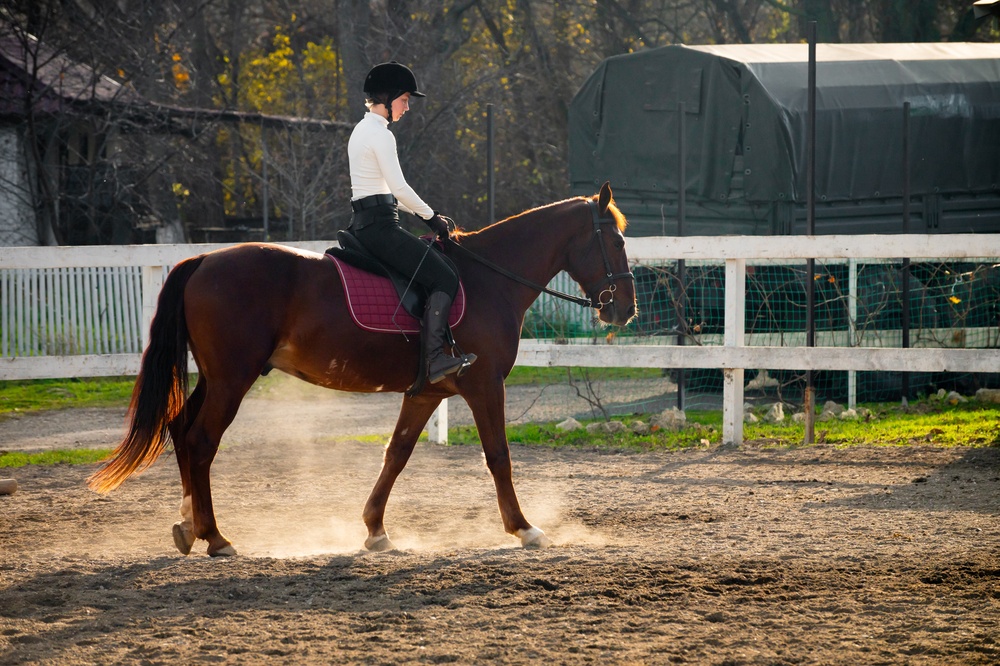
Oakland County has some of the most active competition barns in Southeast Michigan, and finding the right Oakland veterinary in Michigan for your competition horse starts here. Hunters and jumpers are running full A-show schedules, dressage horses are working through the levels, and eventers are preparing for seasons that span multiple disciplines. These horses are being asked to perform at a high level week after week, and when something starts limiting that ability, whether it appears as a soundness change, a behavior shift, or a quiet drop in output, the diagnosis matters and the right veterinary services make the difference. Metamora Equine comes directly to your Oakland County facility with board-certified equine sports medicine and the diagnostic technology to find what a standard examination cannot reach.

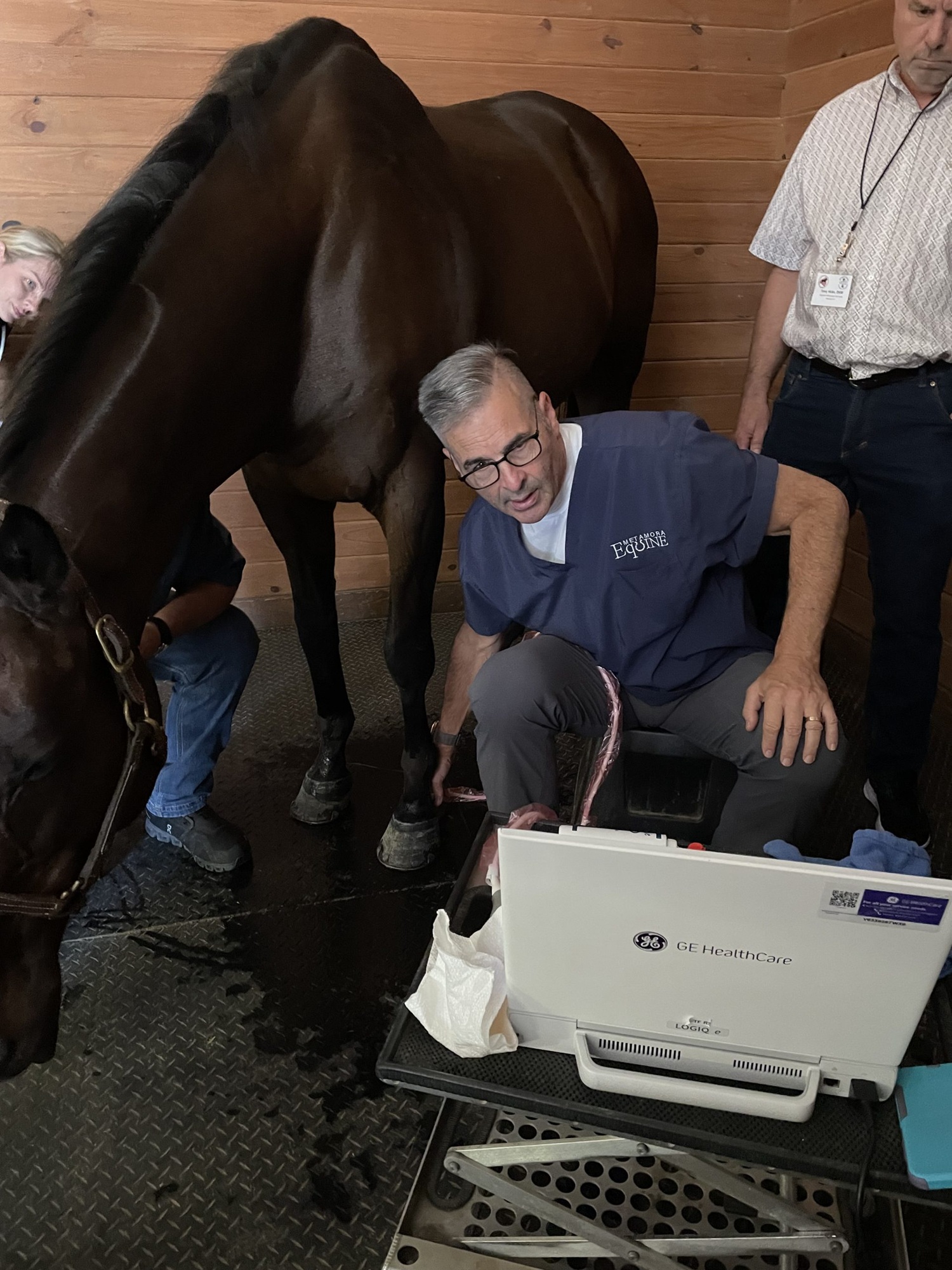
Metamora Equine delivers advanced, performance-focused veterinary care for competition horses, led by Dr. Thaler’s board-certified expertise in equine sports medicine. Every service supports accurate diagnosis, long-term athletic success, and thoughtful treatment.
We provide exceptional care for your equine athlete. Metamora Equine brings evidence-based medical solutions to the stall. We leverage technology and 40 years of experience to deliver health care to your horse.
Comprehensive care: working with your trainer, your farrier and you to provide the optimum performance management for your horse.
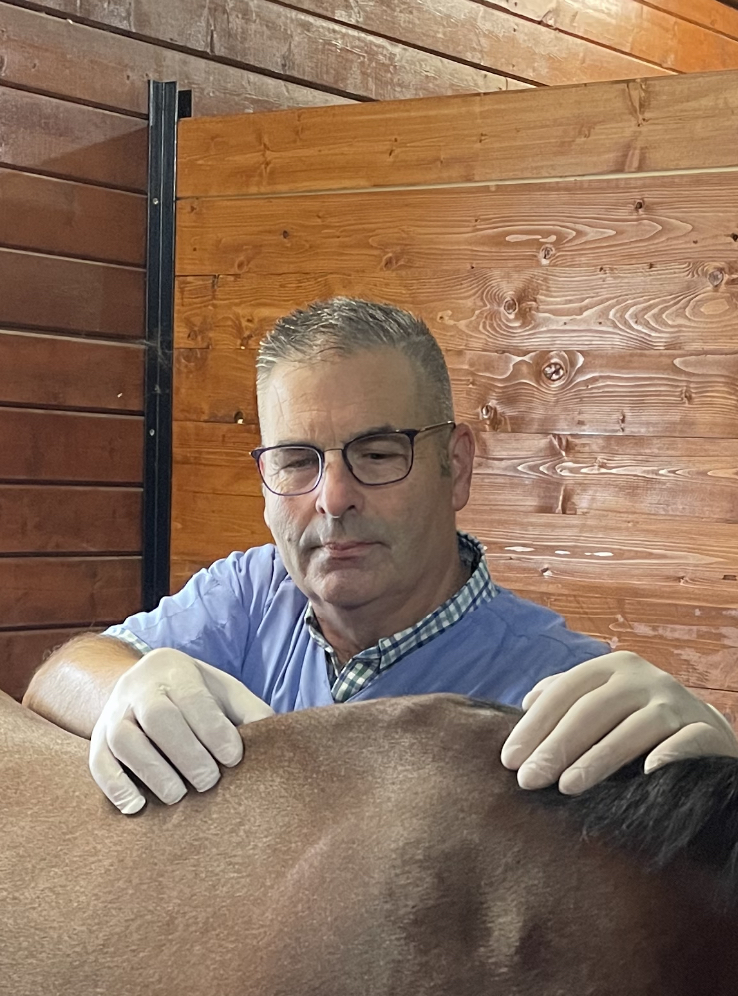
Dr. Thaler, a Doctor of Veterinary Medicine (VMD) and board-certified Diplomate of the American College of Veterinary Sports Medicine and Rehabilitation (DACVSMR), holds a credential combination that almost no equine practitioner in Michigan can match. Board certification through the American College of Veterinary Sports Medicine and Rehabilitation, Fellowship in the College of Animal Chiropractors, and certification with the International Society of Equine Locomotor Pathologists each represent advanced training built on top of a veterinary degree from the University of Pennsylvania School of Veterinary Medicine. His time as an adjunct professor at Michigan State University’s College of Veterinary Medicine reflects a commitment to staying at the leading edge of what the field knows. Forty years of field work in Oakland County and across the Midwest give those credentials practical grounding. Dr. Thaler has held practice ownership since founding Metamora Equine in 1999, and when he comes to your barn, he brings that full picture with him, without requiring a veterinary clinic visit.
Lameness in a competition horse is rarely as straightforward as it looks. Dr. Thaler’s evaluation builds from objective movement data to targeted nerve blocks, tracing the problem back to a confirmed anatomical source rather than a working theory.
What looks like a stifle problem is sometimes a hoof issue. What presents as intermittent off behavior is sometimes consistent low-grade pain that only appears under load. Getting to the right answer means testing systematically rather than treating the most likely explanation first.
The horses that benefit most from this level of evaluation are the ones being managed rather than properly diagnosed. If your horse has had multiple rounds of treatment without lasting resolution, a more rigorous diagnostic approach is overdue. Horses that move differently depending on the surface, the direction, or the workload belong here too. Pre-purchase evaluations for horses heading into demanding programs, and post-injury returns where soundness has not been fully confirmed, are also appropriate.
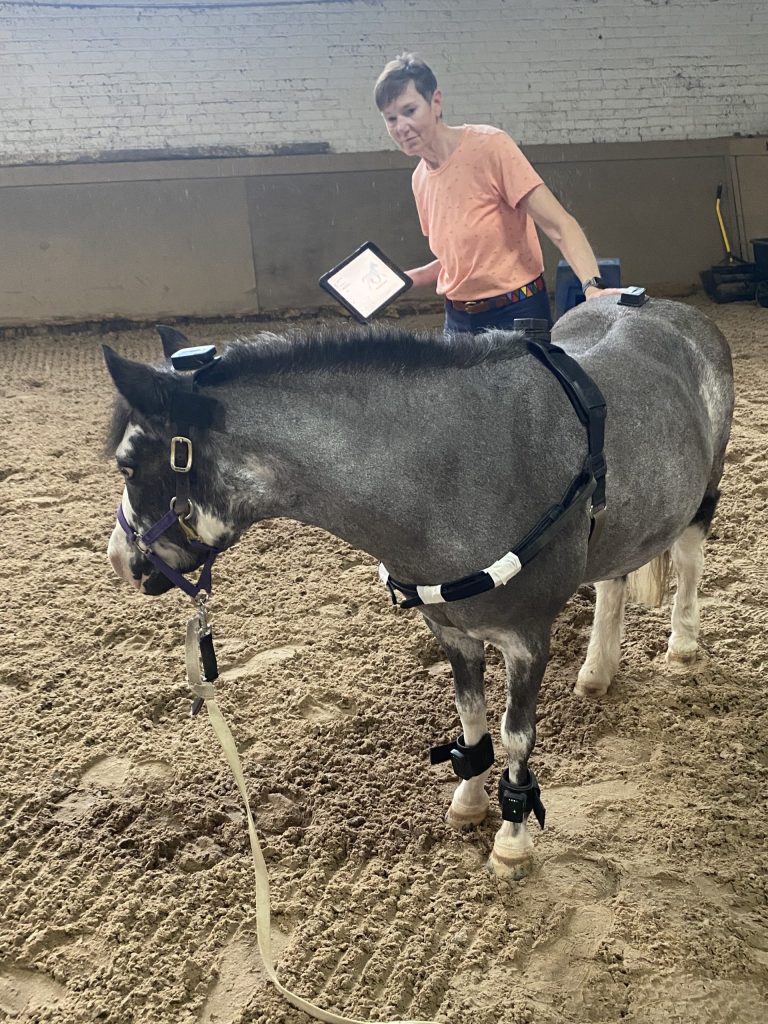
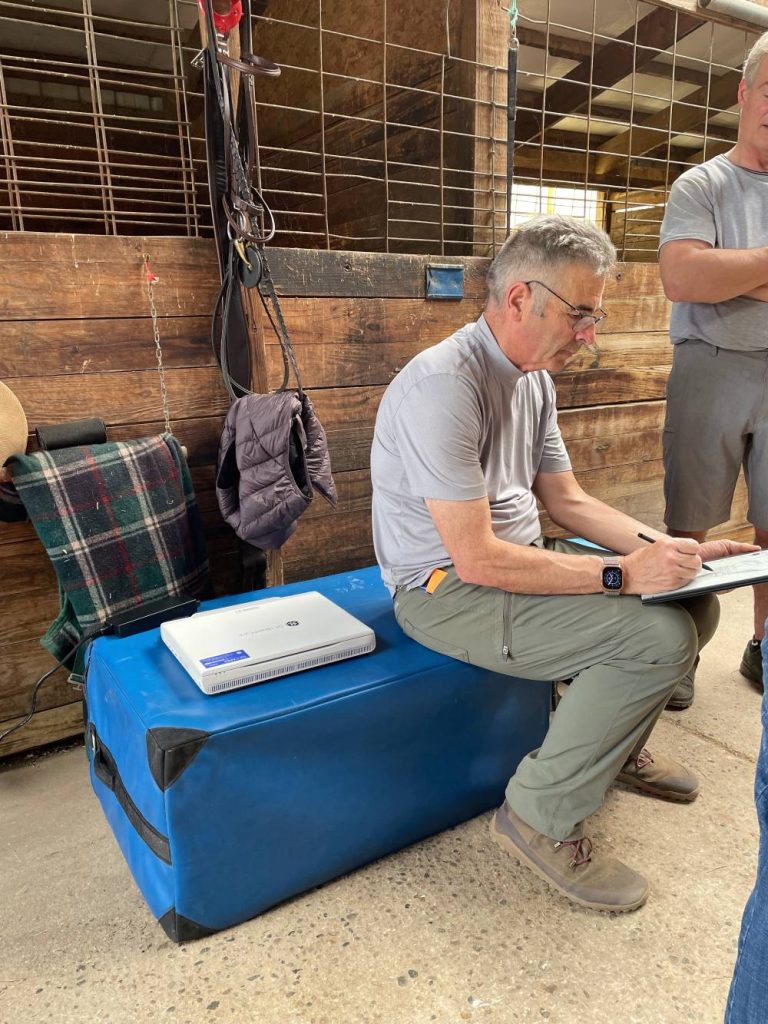
We start with the Arioneo Vet Equisym System, which produces objective biomechanical data before anything else happens. That data tells us where movement asymmetry exists and how significant it is, so we are testing hypotheses rather than forming them during the nerve block sequence. On-site digital X-rays and ultrasound let us image the structures we are looking at without sending your horse to a facility. Targeted nerve blocks then work through the relevant anatomy in sequence until pain is localized to a specific structure. Everything is documented with images and measurements so your farrier, trainer, and primary vet all have something concrete to act on.
The evaluation produces a shared starting point for everyone involved in your horse’s care. Farrier decisions get made with confirmed loading data rather than observation. Training decisions are based on what actually hurts rather than what seems to be the issue. Follow-up evaluations measure change against the objective baseline, so improvement is tracked in numbers rather than feel. When the case requires specialist referral, whether to a veterinary medical center or a facility like Oakland Veterinary Referral Services, the full diagnostic picture travels with the horse.
The right time is earlier than most people schedule it. A movement change that seems minor today is less expensive to address than the secondary injury it produces six months from now. Pre-season evaluation before increasing training load is one of the highest-value decisions in a competition career. Horses returning from rest or injury need evaluation to confirm they are actually ready, not just willing. Pre-purchase evaluation for any horse entering a serious training program should include this level of assessment.
The underlying problem with visual lameness assessment is not the skill of the examiner. It is the tool itself. A peer-reviewed gait analysis study comparing visual and quantitative lameness assessment found that veterinarian agreement on lameness grade was only acceptable to poor even among experienced clinicians, and concluded that the “addition of objective data can be beneficial to reduce expectation bias,” demonstrating that instrumented evaluation changes what gets found, not just how it is measured. Dr. Thaler’s approach uses that objective data as the foundation and works forward from it.
Every week a horse works through undiagnosed pain, it adapts. Those adaptations shift load to structures that were not designed to carry it, and those structures begin to degrade. A Frontiers in Veterinary Science study documented that tendon injuries account for approximately one third of all traumas during the sporting career of horses, “forcing a significant number of individuals to an early retirement from competition.” The horses that reach that point rarely do so from a single incident. They get there through months of compensating for something that could have been found and addressed earlier.

A horse that is physically limited performs like a horse that is physically limited. The behaviors that appear, reluctance, inconsistency, altered movement, a loss of scope or collection, are symptoms of a body that cannot do what is being asked of it. Dr. Thaler’s assessment finds out why.
Some of the most frustrating cases in competition horses are the ones where the horse is genuinely trying and still cannot deliver. Training is right, management is right, and the horse is showing up. Something else is getting in the way.
The horses competing at the top of Oakland County’s barns are athletes. Their bodies respond to the cumulative demands of a competition season the way any athlete’s body does, by adapting, accumulating stress, and occasionally developing problems before anything is visible. Sports medicine is the discipline built to track and manage that process.
Horses in serious competition programs are not asking to take it easy. They are training hard, competing regularly, and doing it on a schedule with little room for time off. Keeping them sound through that kind of demand requires more than responding to problems as they appear.
Any horse in consistent competition training is a candidate, whether the goal is preventive care throughout the season or monitoring for a horse with a history of injury. The physical stress of a hunter/jumper program, a dressage training scale, or a three-phase event season accumulates differently for each horse, and tracking that accumulation is the foundation of injury prevention. Young horses in their first full season benefit from early baseline data. Horses stepping up to a more demanding level benefit from pre-transition assessment. Horses with any previous injury need ongoing monitoring to stay ahead of the recurrence patterns that follow competition horses throughout their careers.
The program is structured around your horse’s actual season rather than a generic schedule. Pre-season evaluation sets the baseline. Spinal manipulative therapy maintains alignment and range of motion as training intensity increases through the season. Scheduled movement monitoring tracks gait changes across training blocks so that developing issues register before they cause missed competition. Diagnostic imaging and diagnostic anesthesia are available mid-season when new areas of concern arise. The level of involvement adjusts as the season progresses.
Sports medicine generates findings that every member of your care team can use. When Dr. Thaler identifies a change at a mid-season check-in, that finding goes to your trainer, farrier, and primary vet with enough specificity to act on. Treatment timing is built around your competition calendar rather than around clinic availability. When a case calls for advanced imaging, surgical consultation, or referral to a teaching facility like Michigan State University’s College of Veterinary Medicine, the handoff comes with a complete record rather than a summary.
Before the season is the right time. Pre-season evaluation establishes the baseline that makes mid-season changes meaningful. Mid-season check-ins catch the kind of subtle shifts that trainers feel during rides but cannot fully articulate. End-of-season assessment identifies what needs attention before the horse enters the next year carrying something unresolved. Horses coming back from injury need sports medicine clearance before full competition loads are restored.
The case for sports medicine is not theoretical. A spinal mobilization review found a growing body of evidence supporting spinal mobilization and manipulation in equine practice, with “measures of joint motion, nociception, muscle tone, and performance” documented as outcome parameters across multiple studies, establishing that the targeted interventions central to sports medicine produce measurable changes in the areas that matter most for athletic horses. Standard veterinary care addresses health problems. Sports medicine addresses the conditions that allow a horse to perform consistently and stay sound through repeated competition demands.
The injuries that derail competition careers most often are not sudden. They build. A 2024 equine imaging study found that repetitive athletic loading produces “micro-damage that accumulates over time, progressing to stress fractures or focal SCB injuries” when the rate of damage exceeds the body’s repair capacity, confirming that horses competing without active biomechanical monitoring are carrying a risk that grows with every training block. The damage exists before anyone can see it. Sports medicine monitoring exists to find it in that window.
40+ years of experience. National reputation. Proven clinical and business leadership.



Metamora has really great imaging that they bring right to us. It allows them to follow every lead to fruition. No waiting and no guessing. They also take a very methodical approach to every exam. It’s a process, like building a puzzle, so using diagnostics and technology to collect data reveals another part of the puzzle.
Sarah Ash, Trainer, True Course Farm
Doctor Thaler is incredible at diagnostics. He has the tools, the training, and the experience to solve challenges that other vets really could not. Figuring out lameness can be very subjective. Dr. Thaler uses technology to look for answers and tell him things that the rider can’t, that the horse can’t.
Cindy Petherbridge, Trainer, Huntsover Farms
With Metamora, the horse comes first. They bring urgency and care to every visit. They’re good with the horses – even difficult ones – and then they take the time to talk to the owner or the rider.
The technology has always been the thing that impressed us. Doctor Thaler has the science that backs it up. He has the tools and the techniques, and he’s done the studies and read the latest news. When he makes a suggestion, there are facts behind it, not a guess. He gives you the best of all the options available for whatever we are dealing with.
Rhonda Wille, Owner
It’s easy for vets who see hundreds of horses to quickly turn to solutions that have worked for them before. In contrast, Dr. Thaler is always gaining new knowledge. He has the most modern and best diagnostic equipment, and so he suggests new perspectives and ideas. That’s important to being successful in diagnosing injuries and problems.
For clients serious about performance, Metamora is my go-to. Dr. Thaler is the top sports veterinarian and a partner and resource for diagnosing lameness and other problems, as well as suggesting therapeutic solutions.
Garth Short, Owner, Horseshoeing Incorporated
The communication from Metamora is key. I am always contacting them first with my questions. They’re ability to answer the call and provide service to clients is unmatched, even if that means going the extra mile to accommodate.
Leah Smaller, Professional Rider and Trainer
Doctor Thaler has a problem-solving mindset. There’s no one better at finding an issue. He uses technology and experience to understand the issue.
Jaafar Reza, Trainer, Gross Point Equestrian
There are many different therapeutic applications that promote healing. Dr. Thaler comes in with the science. He’ll study the X-rays and do the diagnostics, then I’ll do the farrier work. We’ve brought horses back from lameness and saved horses that otherwise would be done. He’s 100% onboard to get the horse through it.
This practice defines excellence
Dana Wille, Head Trainer, Equine Odyssey
Sometimes I walk into a barn and know Metamora’s been there because there is a picture drawn of a horse’s leg showing where this injury was. Dr. Thaler is great at explaining complex things very simply.

Our Oakland Veterinary Michigan team can deliver board-certified equine sports medicine to your barn, not at the end of a trailer haul to a referral clinic. Dr. Thaler comes to you with the diagnostic tools to get real answers and the clinical depth to know what to do with them. Reach out to schedule an appointment today at 248.310.5568.
New to Metamora Equine? Here is what to know before your first appointment.
Bonnie Thaler handles all scheduling and is the right first contact. You can reach the practice by phone or through the appointment request form on the website. When you call, Bonnie can address initial medical questions and take a brief summary of your horse’s situation to help make sure Dr. Thaler arrives with the right equipment and enough time for the case. The schedule books ahead, so reaching out early is worth it.
Dr. Thaler starts with your horse’s full history before the physical evaluation begins. He approaches every case with compassionate care, taking the time to understand what you have been seeing, what has been tried, and what you want to know. The exam and diagnostic steps follow from that conversation rather than a preset checklist. Most first visits run two to four hours. Before Dr. Thaler leaves, you will have a clear explanation of the findings and a specific plan rather than a set of possibilities to think over.
The practice primarily handles scheduled diagnostic evaluations and performance assessments. Urgent lameness situations within the established service area can often be worked in when scheduling allows. For emergencies that cannot wait, contact emergency clinics in your area as the first step, then reach out to us so we can be part of the follow-up care.
Metamora Equine covers Michigan’s Oakland County region and surrounding Southeast Michigan communities, including the Northwest and Northeast Detroit suburbs, Columbus and Wilmington, Ohio, and Monroe, North Carolina. Dr. Thaler also travels regularly to competition venues across the Midwest and Southern United States, including South Carolina. If you are not sure whether your location is in the regular service area, contact us directly.
Keep your horse on its normal routine going in. No changes to exercise, feed, or medication unless Dr. Thaler has specifically asked for something different. Hold off on pain medications and anti-inflammatories for at least a week before the appointment since these can mask important findings. Bring any prior veterinary records, imaging, or performance notes that might give useful context. Have your horse accessible in an area with good footing for movement evaluation, and leave space near the barn for equipment and vehicle setup.

©2026 Metamora Equine. Designed and Managed by ViziSites. Terms of Use. Website Accessibility.