Soundness You Can trust: From The Schooling Ring To The Grand Prix Ring
Schedule a performance-focused gait assessment

Our vets in Wilmington, Ohio can provide advanced care in veterinary medicine that goes beyond basic examinations when your performance horse shows signs of lameness or declining competition results. Metamora Equine brings cutting-edge diagnostic services and board-certified experience directly to your barn through our ambulatory equine sports medicine practice. We focus on lameness evaluation, poor performance assessment, and diagnostic imaging to help competition horses return to peak athletic condition.

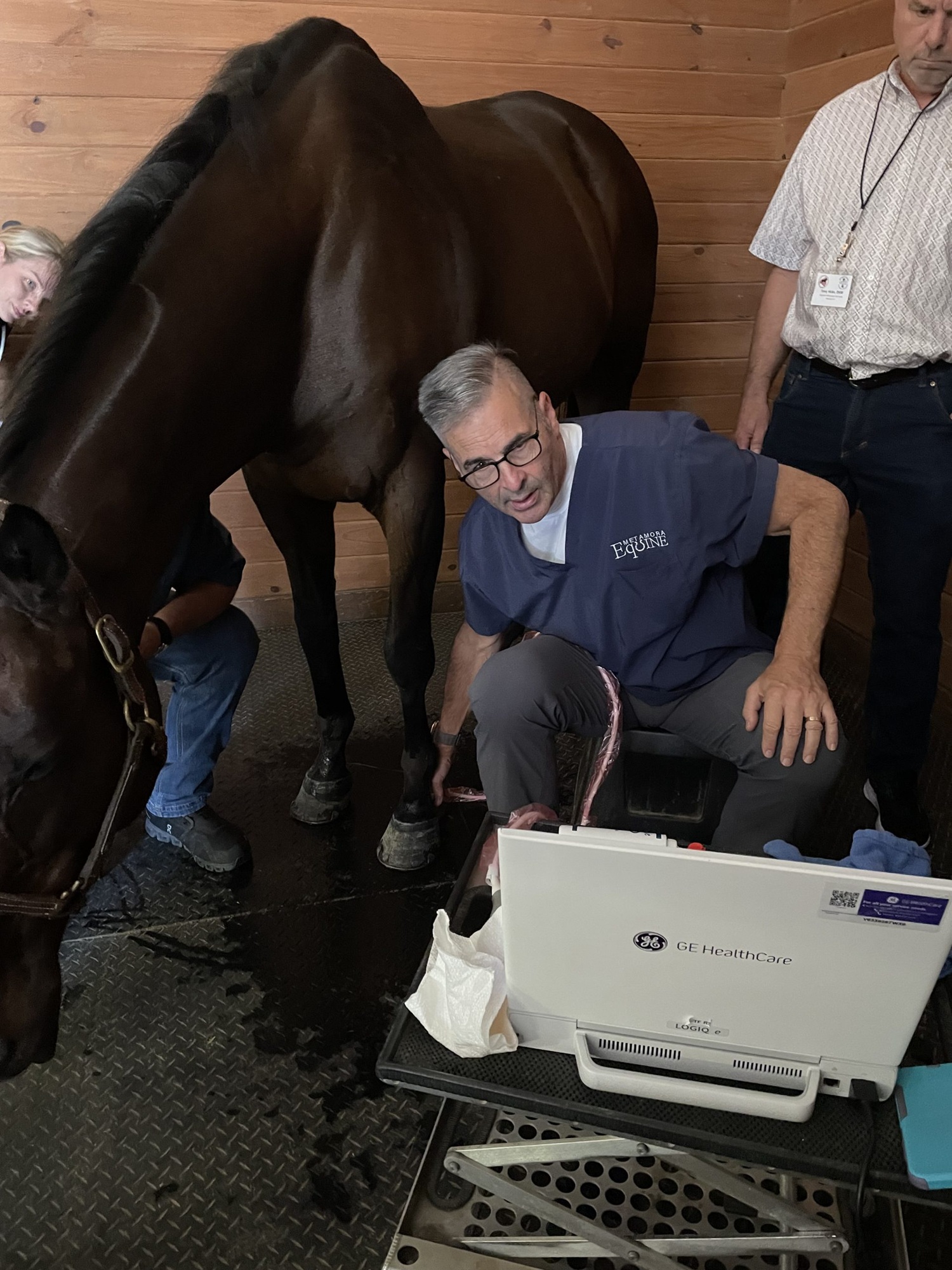
Metamora Equine delivers advanced, performance-focused veterinary care for competition horses, led by Dr. Thaler’s board-certified expertise in equine sports medicine. Every service supports accurate diagnosis, long-term athletic success, and thoughtful treatment.
We provide exceptional care for your equine athlete. Metamora Equine brings evidence-based medical solutions to the stall. We leverage technology and 40 years of experience to deliver health care to your horse.
Comprehensive care: working with your trainer, your farrier and you to provide the optimum performance management for your horse.
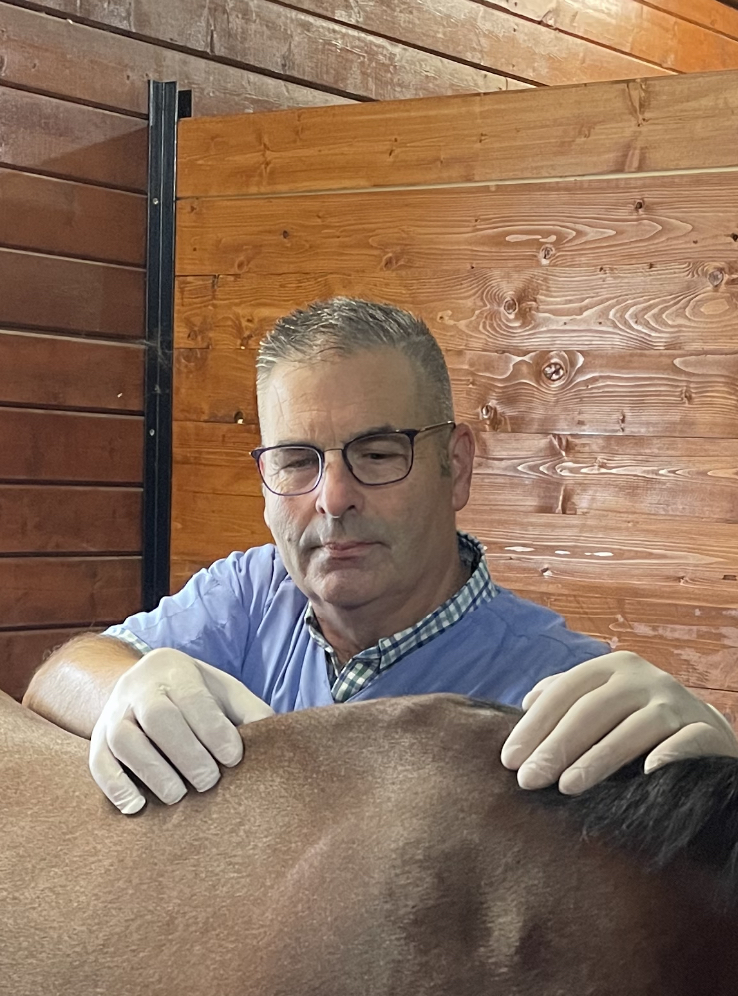
Dr. Thaler, VMD DACVSMR, leads our practice with over 40 years of specialized experience in equine sports medicine. As a board-certified Diplomate of the American College of Veterinary Sports Medicine and Rehabilitation, he is one of the few equine practitioners in the region with this level of training, bringing academic-level knowledge to practical field settings. His credentials include Fellowship in the College of Animal Chiropractors and certification with the International Society of Equine Locomotor Pathologists. Compassionate treatment and a root-cause diagnostic approach set the tone for every evaluation, looking beyond symptoms to identify the source of performance limitations. His commitment to mentorship and progressive technology adoption has built a loyal clientele of competitive riders, trainers, and owners who trust our practice for complex lameness cases and performance problems that challenge other practitioners.
Lameness does not always look obvious, and a standard appointment at a veterinary clinic may not catch the subtle issues affecting your horse’s movement. Our evaluation process is built to find those problems before they become serious.
If your horse shows gait irregularities, reluctance to work, or declining performance that suggests musculoskeletal issues, professional lameness evaluation provides the diagnostic clarity you need. Our systematic approach identifies subtle problems before they become career-limiting injuries.
Competition horses showing any degree of gait abnormality benefit from our lameness services. You might notice your horse favoring one leg, displaying stiffness after work, or showing reluctance to perform movements that were previously easy. Horses returning from layoffs, those with declining competition scores, or animals that trainers describe as “not quite right” are ideal candidates. Even subtle changes in movement patterns warrant evaluation, as early intervention prevents minor issues from becoming major problems. Our ambulatory approach means we evaluate your horse in their familiar environment, where subtle lameness often appears more clearly than in clinical settings.
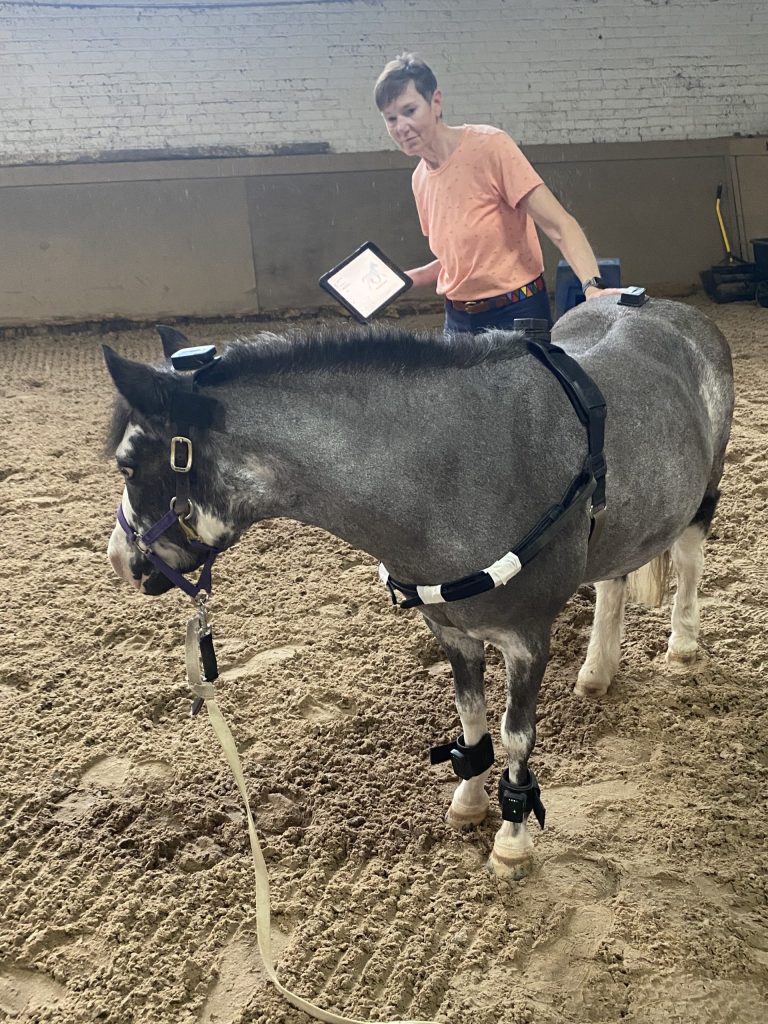
Our evaluation begins with detailed history-taking and observation of your horse at rest and in motion. We use the Arioneo Vet Equisym System for objective gait analysis, providing quantifiable data about movement patterns that human observation might miss. The examination includes flexion tests, palpation of all limbs and joints, and assessment of muscle development and symmetry. When indicated, we perform diagnostic anesthesia to isolate pain sources with precision. Our team documents findings thoroughly and discusses results with you immediately, so you understand both the diagnosis and treatment recommendations before we leave your facility.
This work goes beyond routine check-ups or general wellness visits. Lameness evaluation serves as the foundation for all performance-related veterinary care. We coordinate with your regular veterinarian, farrier, and trainer to make sure treatment plans align with your horse’s competition schedule and training program. Our findings guide decisions about rest periods, modified work schedules, treatment options, and return-to-competition timelines. We provide detailed reports that your entire care team can reference, creating continuity between veterinary visits. Follow-up evaluations track progress and adjust treatment protocols as your horse responds to therapy.
Schedule lameness evaluation as soon as you notice gait changes, performance decline, or behavioral changes that suggest discomfort. Early evaluation during the off-season allows time for thorough treatment before competition resumes. Pre-competition screening helps identify developing problems that could worsen under competitive stress. Post-competition evaluation addresses any issues that emerged during intense training or showing. Do not wait for obvious lameness to develop. Subtle performance changes often indicate problems that respond better to early intervention than delayed treatment.
Professional lameness evaluation provides objective, quantifiable assessment that surpasses visual observation alone. Our board-certified experience and advanced diagnostic tools identify problems that equine general practice medicine often overlooks. Research published in the Equine Veterinary Journal 2010 documents exactly how significant this gap is: for mild lameness cases with a mean AAEP score at or below 1.5, experienced clinicians using subjective visual assessment alone agreed on the correct diagnosis only 61.9% of the time, meaning nearly four in ten low-grade lameness cases were assessed inconsistently without objective evaluation tools. The systematic approach we use eliminates guesswork and prevents the trial-and-error treatment that wastes time and money. Our ambulatory model evaluates horses in their normal environment where lameness patterns appear most clearly, in contrast to clinic-based evaluations where horses may move differently due to unfamiliar surroundings and surfaces.
Minor lameness problems become major injuries when ignored, potentially ending competitive careers prematurely. Compensatory movement patterns develop as horses adjust to pain, creating secondary problems throughout the musculoskeletal system. A case-control study in Frontiers in Veterinary Science, drawing on necropsy data from the California Horse Racing Board, found that Thoroughbred racehorses that suffered catastrophic musculoskeletal injuries “were more likely to show signs of lameness within the three months prior to death compared to controls,” directly connecting unresolved lameness signs to fatal injury outcomes in horses that continued to compete. Competition horses working through undiagnosed lameness face an increased risk of catastrophic breakdown during performance. The financial impact extends beyond veterinary costs to include lost competition opportunities, reduced horse value, and extended rehabilitation periods. Early intervention prevents minor issues from becoming career-threatening injuries that require months or years of recovery.
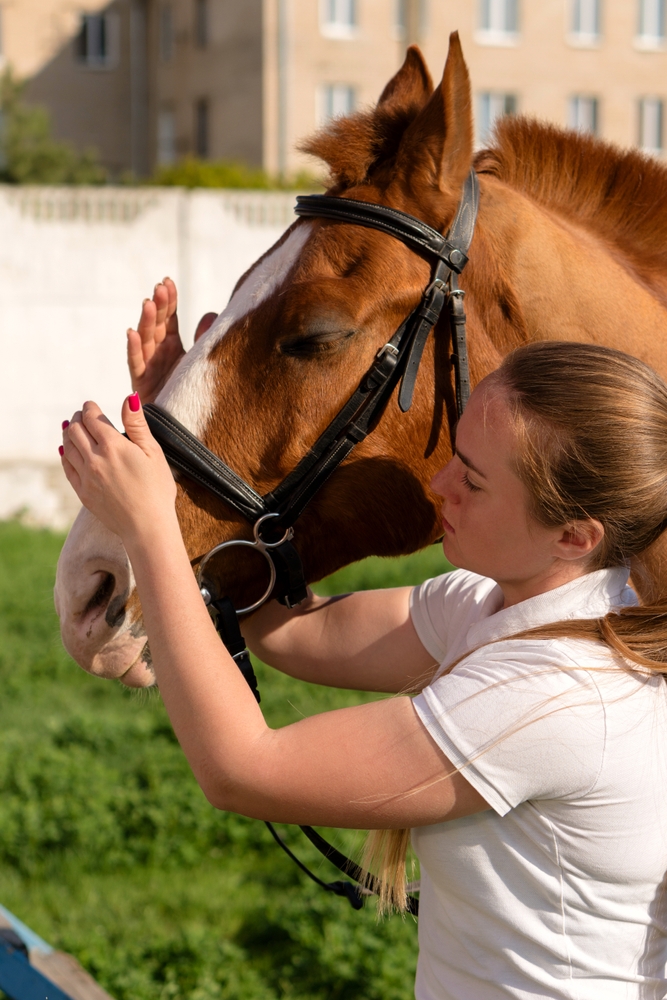

Some horses pass a standard lameness exam and still are not performing the way they should. Poor performance assessment goes deeper, looking at every factor that could be holding your horse back, with direct, personalized guidance built into every step.
While lameness evaluation focuses on movement abnormalities, poor performance assessment examines the broader picture of athletic function. Many horses pass lameness examinations but still struggle to perform at their previous level. This full evaluation identifies the subtle factors that separate good performance from excellent performance in competition horses.
We use digital radiography and ultrasound in the field to get a clear look at what is happening inside. When a case calls for more, we coordinate referral access to advanced imaging such as MRI, CT, and nuclear scintigraphy through our network of specialist partners, including referral to a veterinary hospital or imaging center when the case requires it.
When clinical examination findings need clarification or when subtle problems require a closer internal look, diagnostic imaging provides the visual information needed for an accurate diagnosis. Our imaging services work alongside the hands-on evaluation techniques used in lameness and performance assessments, giving you the full diagnostic picture needed for effective treatment planning.
Horses with lameness that localizes to specific areas but requires internal visualization for a definitive diagnosis benefit from imaging services. Animals with performance problems suggesting internal injuries, those with chronic conditions needing progress monitoring, or horses requiring pre-purchase evaluation are ideal candidates. Imaging helps when clinical findings do not match the severity of performance problems or when treatment responses suggest more complex issues than initially apparent. Competition horses with subtle lameness patterns that could indicate developing problems also benefit from imaging to guide early treatment.
We perform digital radiography and ultrasound directly at your barn as part of most lameness and performance workups. When a case needs advanced imaging that cannot be done in the field, we coordinate referral to specialist centers for procedures such as MRI, CT, nuclear scintigraphy, or mylograms. We also offer second-opinion reviews of existing imaging when previous results need another set of experienced eyes, or when treatment decisions need more diagnostic clarity. Pre-purchase imaging consultation helps evaluate horses for competition soundness and flag potential problems. Our team walks you through findings in plain terms, connecting the results to your horse’s performance issues and treatment options.
Imaging provides the diagnostic clarity needed to build targeted treatment plans rather than broad-spectrum approaches. Results guide decisions about conservative versus aggressive treatment, surgery referrals, and realistic timelines for return to competition. We use imaging findings to track treatment progress and adjust protocols based on how healing is going. The detail imaging provides helps set accurate recovery timelines and informs decisions about competition schedules. Imaging results also become part of your horse’s permanent health record, giving you a baseline to compare against if problems develop down the road.
Schedule imaging when the clinical examination points to a problem but needs internal visualization to confirm it. For acute injuries, prompt imaging helps assess severity and guides treatment decisions quickly. Chronic lameness cases benefit from imaging when conservative treatment is not producing the expected improvement. Pre-competition imaging can identify developing problems before they worsen under competitive stress. Regular monitoring through imaging helps manage ongoing conditions and supports long-term soundness planning.
Imaging gives you a definitive answer rather than an educated guess based on clinical signs alone, leading to more targeted treatment and better outcomes. For horses with complex or persistent lameness, imaging is the standard of care, and it consistently produces better results than relying on clinical signs alone. When cases go beyond what digital X-rays and ultrasound can show, access to advanced modalities makes a measurable difference. A 2022 review in JAVMA 2022 put it clearly: “MRI and CT have enhanced our diagnostic abilities for equine lameness beyond what is available using radiography and ultrasonography,” and that this advancement “has allowed veterinarians to better prognosticate and treat lameness conditions, improving patient outcomes.” That is exactly why, when a case calls for it, we coordinate referral to the right imaging specialists rather than leaving gaps in the diagnostic picture. Our experience reading and interpreting imaging means you get a clear explanation of findings and a treatment path grounded in what the images actually show.
Problems that need imaging to be accurately diagnosed get worse when treated on clinical examination alone, often turning into chronic conditions that are harder to treat. Without the right diagnostic information, treatment choices get made in the dark and conditions progress while time passes. A study in the Veterinary Record 2010 examining outcomes for 56 horses receiving conservative treatment for foot pain found that 60.7% “failed to return to previous level of exercise due to persistent or recurrent lameness,” with deep digital flexor tendinopathy, a condition that clinical examination alone routinely undercharacterizes without imaging, identified as strongly associated with chronic, persistent lameness. Horses competing with undiagnosed injuries face increased risk of catastrophic failure and career-ending damage. The financial cost includes extended treatment periods, lower success rates, and potential permanent unsoundness. Getting the right imaging early prevents those outcomes and makes targeted treatment possible before problems become chronic.
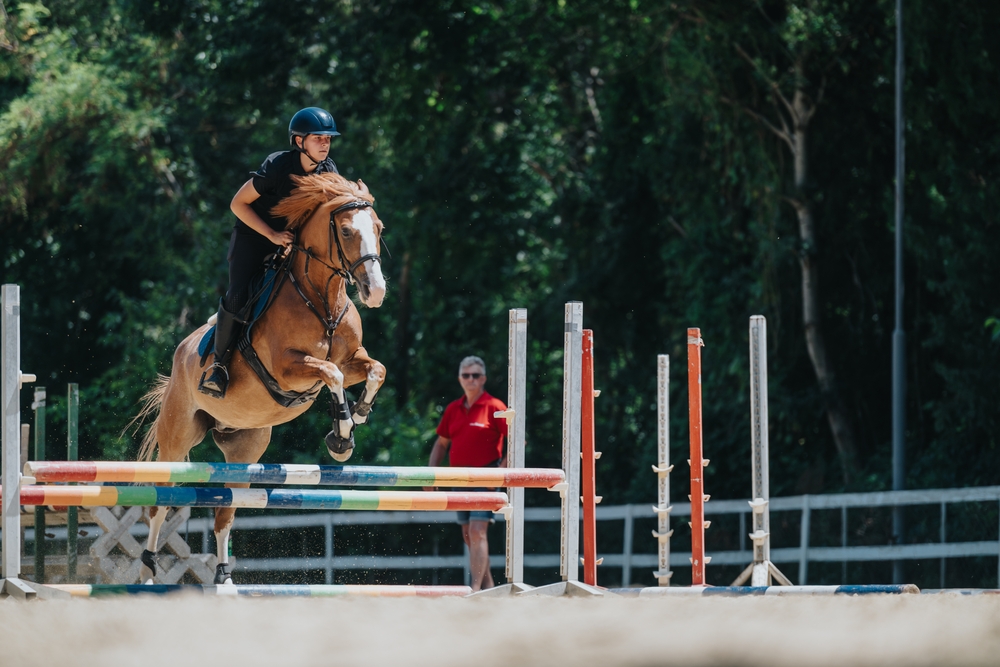
40+ years of experience. National reputation. Proven clinical and business leadership.


Metamora has really great imaging that they bring right to us. It allows them to follow every lead to fruition. No waiting and no guessing. They also take a very methodical approach to every exam. It’s a process, like building a puzzle, so using diagnostics and technology to collect data reveals another part of the puzzle.
Sarah Ash, Trainer, True Course Farm
Doctor Thaler is incredible at diagnostics. He has the tools, the training, and the experience to solve challenges that other vets really could not. Figuring out lameness can be very subjective. Dr. Thaler uses technology to look for answers and tell him things that the rider can’t, that the horse can’t.
Cindy Petherbridge, Trainer, Huntsover Farms
With Metamora, the horse comes first. They bring urgency and care to every visit. They’re good with the horses – even difficult ones – and then they take the time to talk to the owner or the rider.
The technology has always been the thing that impressed us. Doctor Thaler has the science that backs it up. He has the tools and the techniques, and he’s done the studies and read the latest news. When he makes a suggestion, there are facts behind it, not a guess. He gives you the best of all the options available for whatever we are dealing with.
Rhonda Wille, Owner
It’s easy for vets who see hundreds of horses to quickly turn to solutions that have worked for them before. In contrast, Dr. Thaler is always gaining new knowledge. He has the most modern and best diagnostic equipment, and so he suggests new perspectives and ideas. That’s important to being successful in diagnosing injuries and problems.
For clients serious about performance, Metamora is my go-to. Dr. Thaler is the top sports veterinarian and a partner and resource for diagnosing lameness and other problems, as well as suggesting therapeutic solutions.
Garth Short, Owner, Horseshoeing Incorporated
The communication from Metamora is key. I am always contacting them first with my questions. They’re ability to answer the call and provide service to clients is unmatched, even if that means going the extra mile to accommodate.
Leah Smaller, Professional Rider and Trainer
Doctor Thaler has a problem-solving mindset. There’s no one better at finding an issue. He uses technology and experience to understand the issue.
Jaafar Reza, Trainer, Gross Point Equestrian
There are many different therapeutic applications that promote healing. Dr. Thaler comes in with the science. He’ll study the X-rays and do the diagnostics, then I’ll do the farrier work. We’ve brought horses back from lameness and saved horses that otherwise would be done. He’s 100% onboard to get the horse through it.
This practice defines excellence
Dana Wille, Head Trainer, Equine Odyssey
Sometimes I walk into a barn and know Metamora’s been there because there is a picture drawn of a horse’s leg showing where this injury was. Dr. Thaler is great at explaining complex things very simply.

Our vets in Wilmington, Ohio can provide specialized care for your horse’s performance problems and lameness issues. Our board-certified team brings advanced diagnostic services and decades of experience directly to your barn in Ohio, giving you the answers you need to get your horse back to competing at their best. Contact us today at 248.310.5568 to schedule an evaluation and take the first step toward resolving what is holding your horse back.
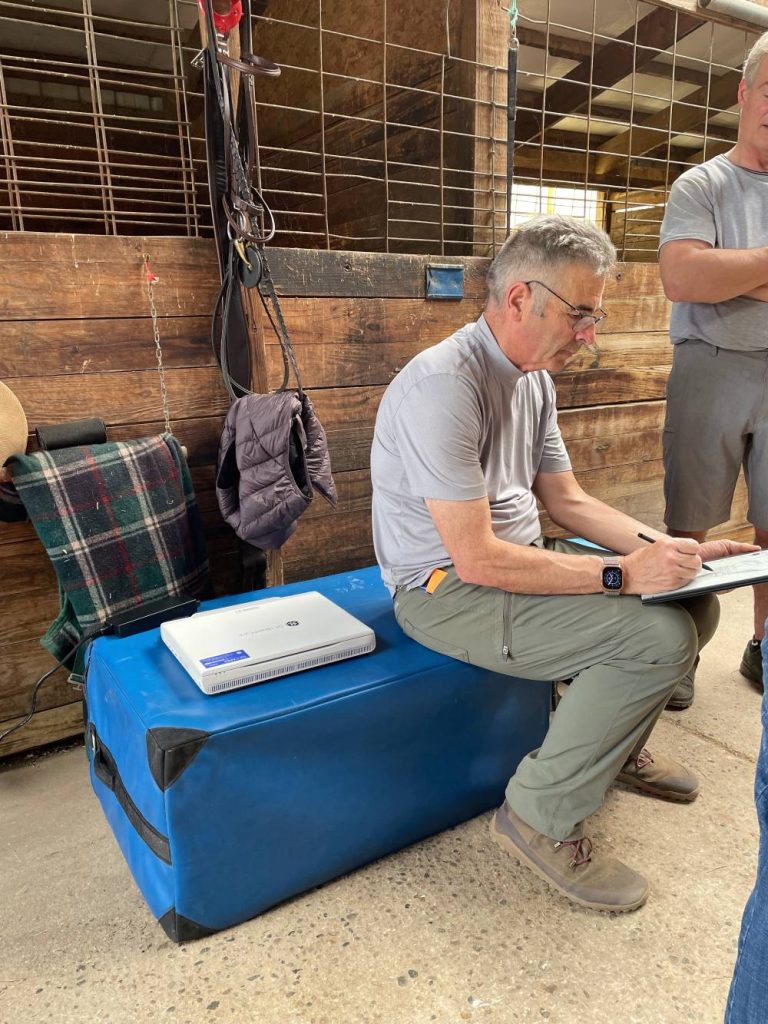
Contact our practice directly to talk through your horse’s needs and set up an evaluation. We coordinate visits based on your location and the urgency of your horse’s condition. Our team works around your schedule to minimize disruption to training and competition plans. We will give you an estimated visit time and let you know about any preparation your horse may need before the exam. Emergency and urgent care evaluations can often be arranged within 24 hours when the situation calls for it.
Most visits run 1 to 2 hours depending on your horse’s condition and what services are needed. We bring all necessary diagnostic equipment to your facility so your horse stays in their familiar environment. Dr. Thaler personally conducts all examinations and walks you through findings on the spot. Before we leave, you will have written reports and treatment recommendations in hand. We stay in touch between visits to track your horse’s progress.
As an animal veterinarian specializing exclusively in equine sports medicine, Dr. Thaler’s board certification represents the highest level of specialized training in this field. His 40-plus years working with competition horses give him practical knowledge that his academic credentials build on. Our practice works exclusively with performance horses, which means we understand the specific demands these athletes face. We use advanced diagnostic technology that is typically only available in referral hospitals, brought directly to your barn.
Yes, we maintain regular service routes that include the Wilmington community. We group appointments geographically to provide consistent coverage and keep travel reasonable. Our scheduling system helps reduce wait times, including for urgent care cases. Emergency visits to the Wilmington, Ohio area can be arranged when a critical situation comes up.
Have a clear description of your horse’s performance changes ready, including when the issues started and how they have progressed. Pull together your horse’s competition history, recent veterinary records, and current training schedule. Note any treatments already tried and how the horse responded. Details about feeding, turnout, and daily management help us understand the full picture. Having your trainer or regular vet’s contact information on hand makes it easier to coordinate care.

©2026 Metamora Equine. Designed and Managed by ViziSites. Terms of Use. Website Accessibility.